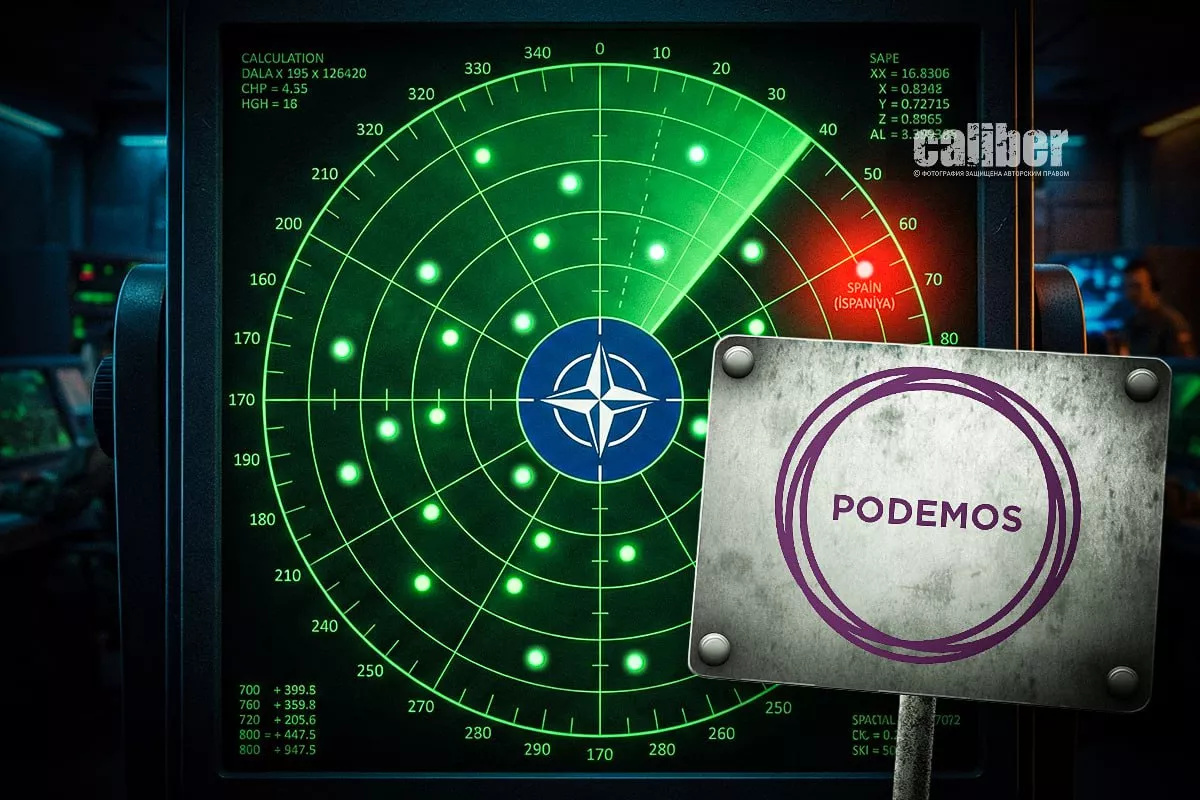
Spain’s Podemos Party Proposes NATO Referendum: A Deep Dive into the Implications
Spain’s left-wing party Podemos, translating to “We Can,” has stirred the political waters by proposing a referendum on the country’s potential withdrawal from NATO. This bold move, articulated by party representative Pablo Fernández during a recent press conference, reflects a growing sentiment among certain factions in Spain regarding military alliances and foreign interventions.
The Call for a Referendum
Podemos has been vocal in its stance against the presence of American military bases in Spain and has urged the government to reconsider its NATO membership. Fernández emphasized the need for Spanish society to have a say in such a significant decision, stating, “We must prevent any involvement of our army in the conflict — neither to attack anyone nor to defend NATO bases in the Mediterranean.” This call for a referendum echoes historical sentiments, as Spain previously held a vote on NATO membership in 1986, where a majority favored remaining in the alliance.
Historical Context of NATO in Spain
Spain joined NATO in 1982, and the subsequent referendum in 1986 saw a turnout of 59.4%, with 56.85% voting in favor of continued membership. This historical backdrop is essential for understanding the current political climate. The legacy of Spain’s past, particularly the dictatorship of Francisco Franco, has fostered strong anti-war and anti-militarist sentiments among the populace. Today, these sentiments are being reignited as Podemos seeks to challenge the status quo.
Public Sentiment Towards NATO
The current public opinion on NATO in Spain is divided. According to a Pew Research Center survey, approximately 47% of Spaniards view NATO positively, while around 45% hold a negative opinion. This division reflects a broader trend across Europe, where anti-NATO sentiments are present but not dominant. In fact, the median support for NATO among member states stands at around 66%, with countries like Poland and the Netherlands showing particularly high levels of support.
The Geopolitical Landscape
The geopolitical landscape has shifted dramatically in recent years, particularly with the ongoing Russia-Ukraine conflict. This war has heightened security concerns across Europe, reinforcing support for NATO as a protective alliance. As Grigory Ioffe, an American analyst, points out, the current political consensus among European elites leans towards reforming NATO rather than withdrawing from it. The war has catalyzed a sense of urgency regarding collective defense, making the idea of leaving NATO less appealing to many.
The Role of Political Parties
While Podemos advocates for a referendum, the Spanish government, led by Prime Minister Pedro Sánchez, remains committed to NATO. Sánchez’s administration has faced criticism for its defense spending and military commitments, but the overarching political strategy is to reform cooperation within NATO rather than exit the alliance. This divergence between Podemos and the ruling party highlights the complexities of Spanish politics and the varying perspectives on national security.
The Influence of Left-Wing Politics
The left-wing parties in Spain, including Podemos, have historically held pacifist positions. Their recent proposals can be seen as a response to growing concerns about U.S. military actions abroad, particularly in the Middle East. The fear of being drawn into conflicts, such as potential military actions against Iran, has prompted a preemptive stance from Spanish political leaders. This reflects a broader trend in Europe, where caution is growing regarding U.S. foreign policy.
The Future of NATO in Spain
Despite the calls for a referendum, the likelihood of Spain actually withdrawing from NATO remains low. Political analysts suggest that this proposal may serve more as a political maneuver or a public relations strategy rather than a genuine push for withdrawal. The reality is that most Spaniards, particularly in light of current global tensions, may not support leaving NATO.
The Broader Implications for Europe
The discussions surrounding NATO in Spain resonate with similar sentiments in other member states, such as Greece and Turkey. However, the consensus among experts is that no significant political forces currently exist that could lead to a mass exodus from NATO. The alliance’s cohesion is bolstered by the shared understanding of security threats, particularly from Russia.
Conclusion
Spain’s Podemos party has ignited a crucial conversation about NATO membership and military alliances in Europe. While the proposal for a referendum reflects genuine concerns about military involvement and national sovereignty, the broader geopolitical context and public sentiment suggest that NATO’s future in Spain—and Europe at large—remains more secure than ever. The interplay between domestic politics and international relations will continue to shape the discourse around NATO, making it a topic of ongoing relevance and debate.
![[gpt_title] Rewrite this article’s title in the tone of *Fuerteventura Times* — calm, intelligent, and curiosity-driven. Keep it under 60 characters. Focus on themes like consciousness, healing, creativity, or neuroscience — avoid hype or clickbait. Make it sound soulful yet journalistic. Examples: “The Science of Stillness,” “Microdosing for Meaning,” “A New Age of Conscious Healing.” [/gpt_title]](https://i.guim.co.uk/img/media/2fa005231d75616354ff7c642f5dd505dd639108/0_0_3000_2400/master/3000.jpg?width=1200&height=630&quality=85&auto=format&fit=crop&precrop=40:21,offset-x50,offset-y0&overlay-align=bottom%2Cleft&overlay-width=100p&overlay-base64=L2ltZy9zdGF0aWMvb3ZlcmxheXMvdGctZGVmYXVsdC5wbmc&enable=upscale&s=ed8c594e0412ec3c9cb30a08c782bf4f "[gpt_title] Rewrite this article’s title in the tone of *Fuerteventura Times* — calm, intelligent, and curiosity-driven. Keep it under 60 characters. Focus on themes like consciousness, healing, creativity, or neuroscience — avoid hype or clickbait. Make it sound soulful yet journalistic. Examples: “The Science of Stillness,” “Microdosing for Meaning,” “A New Age of Conscious Healing.” [/gpt_title]")
