The Restoration of El Cotillo’s SAU-8: A Complex Journey
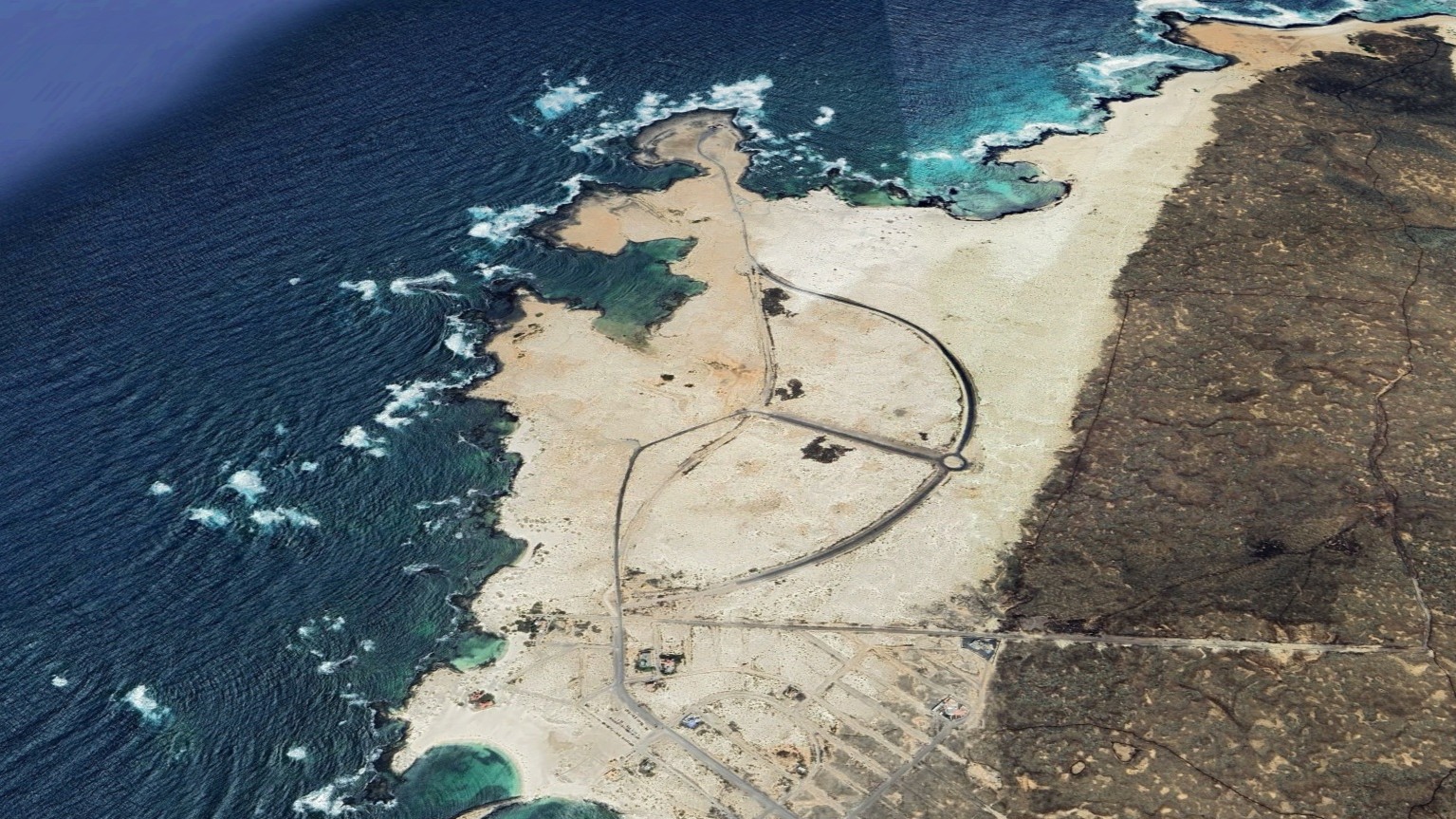
The long-awaited restoration of the SAU-8 partial plan in El Cotillo has hit a significant snag; progress hinges on the public authorities securing ownership of the road leading to Faro de El Tostón, located to the north of the town. This road currently provides access not just to the lighthouse, but also to popular tourist hotspots such as the picturesque beaches of El Marrajo. Unfortunately, the fact that this access route is still privately owned presents a considerable barrier to executing the planned restoration project.
The Need for Restoration
The initiative stemmed from the Government of the Canary Islands due to warnings from the European Union about potential sanctions faced for environmental damage. This damage arose from the urbanization of the Origo Mare complex, which sits atop the unique malpaís (a type of volcanic landscape) of Majanicho, with parts encroaching on a Special Bird Protection Zone (ZEPA). The restoration project aims to implement various actions to rehabilitate and organize significant sections of the northern coastal area in La Oliva municipality.
According to Manuel Miranda, the Minister of Territorial Policy for the Government of the Canary Islands, the restoration project cannot commence until public use of the access road is ensured. This clarification was made during a recent parliamentary session, emphasizing the need to address these bureaucratic hurdles.
GESPLAN’s Role in Restoration
The ambitious restoration plan is set to be executed by GESPLAN, a public company, under a partnership agreement between the Government of the Canary Islands and the La Oliva City Council. The primary objective is to remove existing structures from the SAU-8 plan and restore the space to its original natural state. Miranda estimated that, pending resolution of access issues, work could potentially begin by late this year or early 2026.
The delay in launching this project forms part of a broader set of environmental measures undertaken by the regional government. These measures aim to compensate for the adverse impacts caused by the Origo Mare development, which was identified by the European Commission as needing corrective action after it was discovered that construction proceeded without prior environmental assessment—a violation of habitat and bird directives.
Political Context and Responsibilities
In the parliamentary session, Natalia Évora, a majorera deputy from the nationalist coalition group (Coalición Canaria), highlighted that the European proceedings were ultimately resolved after the Canary Islands committed to implementing a series of corrective actions, including the rehabilitation of the SAU-8. She expressed frustration at the lack of leadership during the previous term, which could have led to significant fines.
Greater efforts are being placed on boosting regional environmental policies as a response to the Origo Mare scandal. Among the steps already taken, the government underscores the expansion of the ZEPA in Fuerteventura and the proposal for a new Site of Community Importance (LIC) in La Oliva, specifically in the Cueva del Llano. Additionally, plans for the recovery of the hubara, a bird species native to the region, along with other environmental projects linked to Majanicho, are currently being processed.
Commitments to Environmental Recovery
The Canary Islands Government is now obligated to roll out several corrective measures as part of the European Union agreement following the opening of disciplinary proceedings. Noteworthy measures committed to include:
- Rehabilitation of the SAU-8 plan, which remains stalled due to access concerns.
- Expansion of the ZEPA network in Fuerteventura, a project that has already been completed.
- Proposal of a new LIC in La Oliva’s Cueva del Llano.
- Development of a Recovery Plan for the hubara alongside ongoing environmental reordering projects in Majanicho.
These measures have been pivotal in averting possible sanctions from the European Union, reflecting a concerted effort toward environmental restoration and sustainable urban planning among the regional government, La Oliva City Council, and the Cabildo of Fuerteventura.
With the restoration process still at a standstill, community stakeholders and environmental groups remain hopeful that progress will be made, not only for the preservation of this unique landscape but also to protect the diverse wildlife it supports.