Spain’s Tourism Outlook Amid Middle East Tensions
A Shift in Travel Trends
Spain’s government recently announced an optimistic outlook for the tourism sector, attributing potential growth to the ongoing conflict in the Middle East. As tensions rise in that region, many travelers who had initially planned vacations there are now seeking safer alternatives. Tourism Minister Jordi Hereu noted that destinations in the western Mediterranean, particularly Spain, are becoming increasingly attractive to these tourists.
Last-Minute Bookings Surge
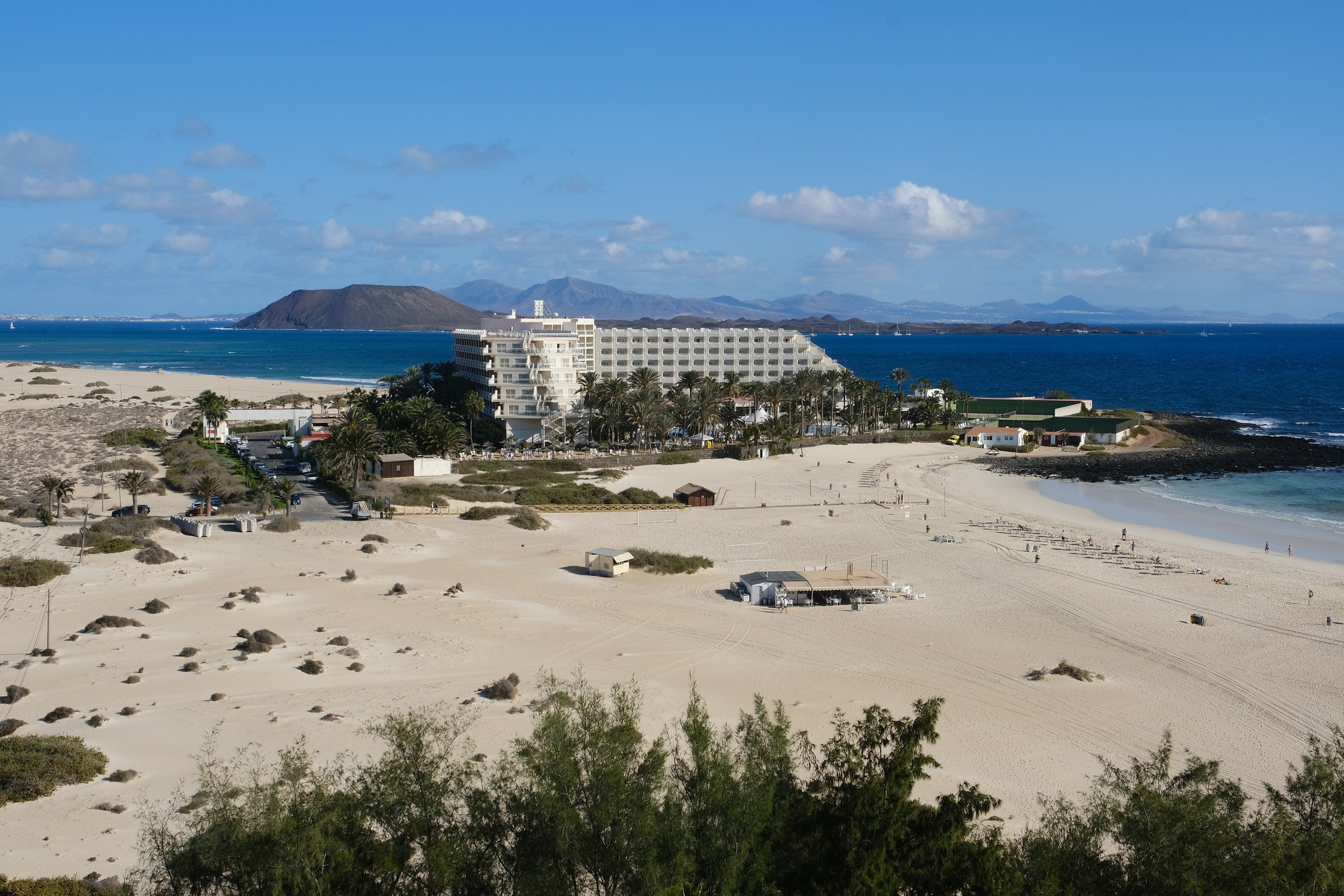
The war has led to a notable increase in last-minute bookings for Spanish destinations. Travelers are opting for the sun-soaked beaches and vibrant cities of Spain, which are perceived as safer compared to the conflict-ridden areas of the Middle East. Hereu expressed confidence in a “magnificent” Easter season for the tourism sector, highlighting the resilience and adaptability of travelers in the face of global uncertainties.
Economic Implications
While the influx of tourists could boost Spain’s economy, there are underlying concerns. The Minister pointed out that rising energy costs, driven by the conflict, could lead to increased air transport expenses. This situation poses a dual threat: while more tourists may flock to Spain, the cost of travel could deter some from making the journey.
Record Tourist Numbers
In 2025, Spain welcomed a record 97 million foreign tourists, marking a 3.5% increase from the previous year. This surge solidified Spain’s position as the second most visited country in the world, with visitors from Britain and Germany accounting for approximately one-third of all international arrivals. The robust tourism revenues have significantly contributed to Spain’s economic growth, making it one of the fastest-growing economies in Europe.
The Bank of Spain’s Caution
Despite the optimistic tourism forecasts, the Bank of Spain has issued a warning about a potential “significant slowdown” in economic growth due to the ongoing conflict. While the bank still projects a growth rate of 2.3% for the year, the uncertainty surrounding international travel and energy costs could impact this outlook.
Historical Context: The Arab Spring
The current situation echoes the effects of the Arab Spring uprisings that began in 2010. During that period, Spain’s tourism sector benefited as travelers sought safe havens away from conflict zones. Spaniards themselves opted to explore domestic destinations rather than venture into areas affected by unrest. This historical precedent suggests that Spain could again emerge as a favored destination for those seeking sun and safety.
The Future of Spanish Tourism
As Spain navigates the complexities of the current geopolitical landscape, the tourism sector remains a vital component of its economy. The interplay between rising demand and increasing costs will shape the coming months. The government and industry stakeholders will need to remain vigilant, adapting to the evolving situation to ensure that Spain continues to attract tourists from around the globe.
Join the Conversation
As the tourism landscape shifts, staying informed is crucial. Join a community of over 2 million industry professionals by subscribing to our newsletter for the latest insights and analysis delivered straight to your inbox.
Stay Connected
For those who prefer mobile access, download our app to keep up with the latest developments in the travel industry right from your smartphone.
This structured overview of Spain’s tourism outlook amid Middle East tensions highlights the complexities and opportunities facing the sector. The interplay of global events and local responses will undoubtedly shape the future of travel in Spain.