Spain: The Heart of Europe’s Tourism Boom in 2026
Spain is stepping into 2026 as a beacon of tourism in Europe, boasting record international arrivals, unprecedented visitor spending, and a rapidly diversifying array of destinations. This growth is extending well beyond the traditional sun-soaked beaches that have long defined the Spanish tourism landscape.
Record-Breaking Arrivals Put Spain at the Top of Europe
Recent statistics reveal that Spain has solidified its status as one of the world’s most visited countries, leading Europe’s travel resurgence. Provisional figures for 2025 indicate approximately 97 million international arrivals, with spending surpassing 130 billion euros. This marks a significant increase from the previous year, which saw around 94 million visitors and 126 billion euros in expenditure. Analysts describe this phenomenon as a tourism-led expansion, outpacing the broader Spanish economy and surpassing recovery rates in many neighboring countries.
Spain’s tourism sector is not just a significant contributor to its economy; it also boasts the largest surplus generated by international visitor spending among OECD economies. This surplus underscores the critical role tourism plays in Spain’s external accounts and overall growth. Estimates suggest that travel now constitutes about one-seventh of Spanish GDP when considering indirect effects, alongside a substantial share of service exports.
In a global context, Spain’s leadership is further reinforced. While worldwide arrivals are projected to grow at a modest single-digit rate into 2026, Spain continues to outperform, particularly in terms of spending. This growth is driven by robust demand from key markets such as the United Kingdom, Germany, and France, alongside increasing interest from North America and other long-haul regions.
From Sun and Sand to a Wider Tourism Map
While Spain’s coastal regions and islands remain the backbone of its tourism economy, new hotspots are emerging inland and along lesser-known coastlines. Recent tourism statistics highlight a steady rise in arrivals and overnight stays in areas like Valencia, Madrid, Castile and León, and parts of inland Andalusia. These regions, which have historically lagged behind iconic resorts in Catalonia and the Balearic Islands, are now attracting international visitors with their rich cultural, gastronomic, and nature-based offerings.
Economic research for 2026 indicates a strategic shift towards geographic diversification and year-round tourism. Regional authorities have invested in heritage restoration, wine tourism routes, and infrastructure for hiking and cycling. Major cultural events are also being organized to attract high-value travelers outside the peak summer months. This has resulted in a redistribution of visitor flows to cities like Valencia and Seville, as well as rural areas in regions such as Extremadura and Castile and León.
Accommodation data reveal that overnight stays in inland provinces and secondary coastal cities are growing faster than in some of the most saturated beach resorts. Domestic tourism has played a crucial role in this shift, but international travelers are increasingly following suit, encouraged by new air routes, improved rail links, and targeted promotions of lesser-known destinations.
Economic Engine With a Focus on Value Over Volume
After a rapid post-pandemic rebound, Spain’s tourism sector is now entering a more mature yet dynamic expansion phase. Estimates for 2026 suggest that tourism GDP will grow by around 2.5% to 3%, slightly outpacing the broader economy but well below the double-digit surges seen immediately after travel restrictions were lifted. This moderation signals a transition towards a sustainable growth path rather than a decline in momentum.
The focus is shifting from sheer visitor numbers to the value generated per trip. Official expenditure surveys indicate that spending is rising faster than arrivals, with average outlays per traveler and per day increasing compared to pre-pandemic levels. This trend is linked to a growing demand for higher-category accommodations, experiential travel, and premium cultural and gastronomic experiences, particularly among visitors from North America and Northern Europe.
Tourism also plays a vital role in the labor market, supporting over 2.5 million jobs. Employment in tourism-related sectors has continued to grow, even as other parts of the Spanish economy have slowed. Policymakers are seizing this opportunity to enhance training, digital skills, and career progression in hospitality and related services, aiming to improve productivity and address concerns about job quality and seasonality.
Managing Overtourism and Sustainability Pressures
The tourism boom that has bolstered the Spanish economy is also intensifying discussions about the environmental and social impacts of tourism in major hotspots. Media coverage and local data from cities like Barcelona, Palma de Mallorca, and San Sebastián highlight renewed tensions over housing affordability, congestion, and public space usage, particularly during peak summer months. Protests against perceived “touristification” have underscored the pressures that short-term rentals and cruise arrivals can place on residential neighborhoods.
In response, many municipalities and regional governments are implementing measures to manage visitor flows and promote more sustainable tourism models. These initiatives include stricter licensing rules for tourist apartments, limits on new hotel capacity in historic centers, visitor caps in sensitive natural areas, and new or increased tourism taxes earmarked for local services and conservation projects. Authorities are signaling that further regulatory changes are being considered for 2026, especially in coastal zones and island territories.
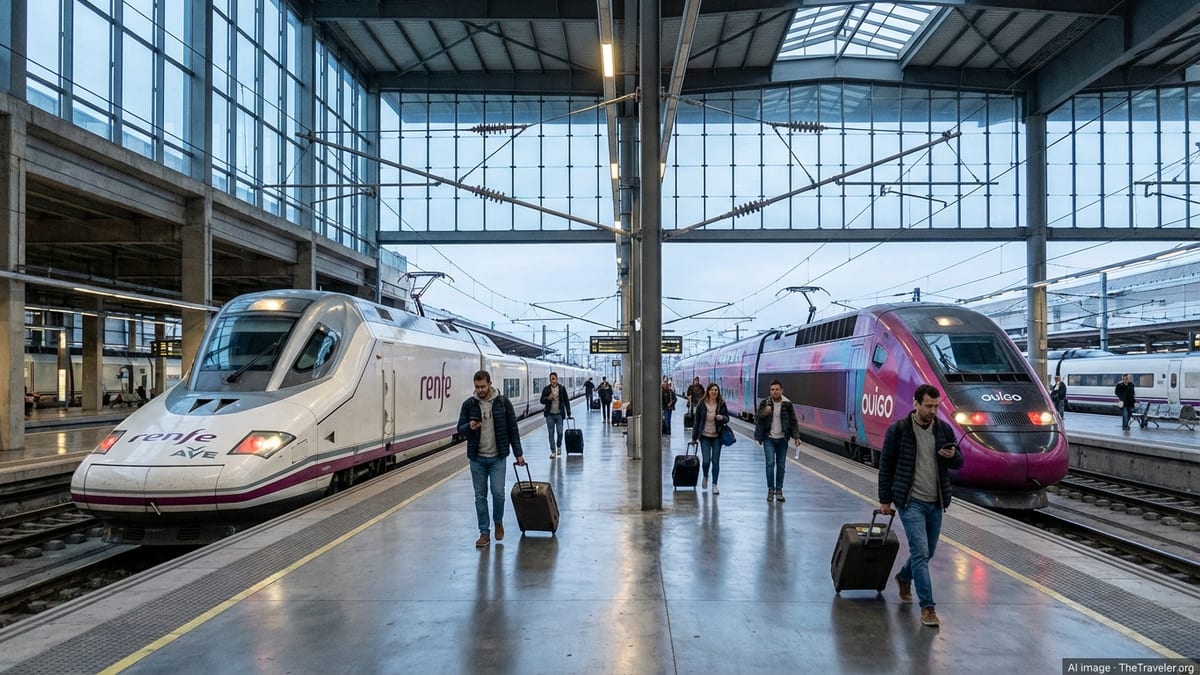
National and regional strategies increasingly emphasize climate resilience, energy efficiency, and biodiversity protection. Spain is positioning itself as an advocate for aligning tourism growth with decarbonization targets within European discussions, highlighting investments in rail connectivity, electric mobility in destinations, and the promotion of low-season and inland travel as strategies to alleviate pressure on fragile environments.
Outlook: Spain at the Heart of Europe’s Travel Boom
Looking ahead, analyses published in early 2026 suggest that Spain will continue to be a primary engine of Europe’s tourism expansion over the next two years. Forecasts from banks and sectoral research institutes predict that international arrivals and spending will set new records again in 2026, even as growth rates normalize. Spain’s extensive accommodation and transport capacity, combined with strong brand recognition and diversified source markets, positions it to capture a significant share of global demand.
Spain’s role as a benchmark destination is further enhanced by its status as the host country for the headquarters of UN Tourism, the United Nations specialized agency for the sector. This combination of domestic performance and institutional visibility has made Spain a reference point for discussions on sustainable tourism, digitalization, and destination management across Europe.
For travelers, this boom translates into more options, with established hotspots continuing to attract millions while emerging regions gain prominence on itineraries. The challenge for Spain in 2026 and beyond will be to convert this unprecedented momentum into long-term value, ensuring that benefits are distributed more evenly across its territory, upgrading job quality and infrastructure, and safeguarding the cultural and natural resources that underpin Europe’s largest travel boom.