Controversy Surrounding RIU’s Hotel Project in Fuerteventura
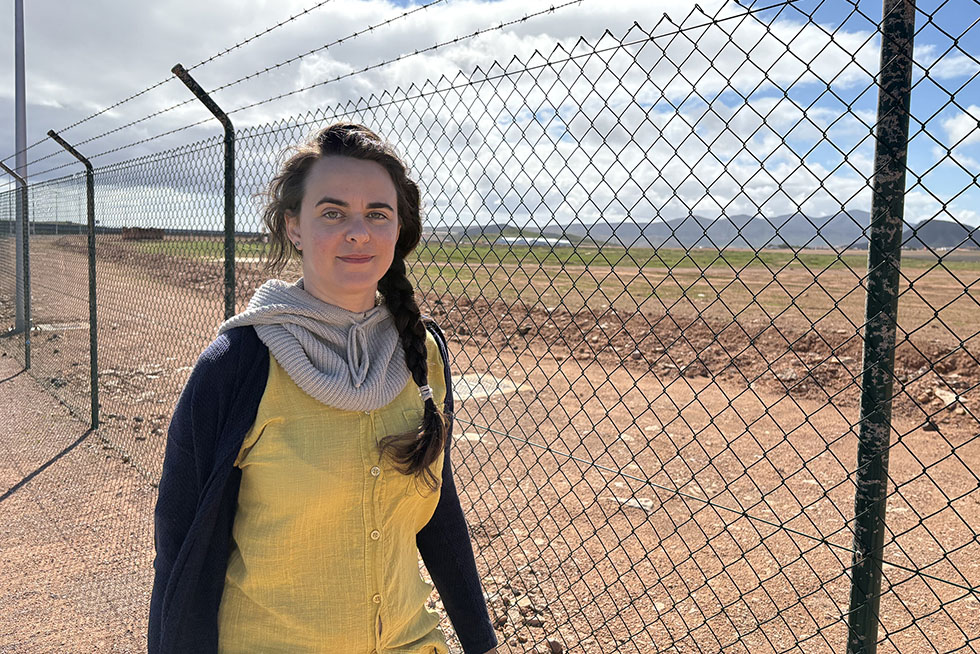
In the beautiful landscape of Fuerteventura, a heated debate has emerged over a controversial project presented by the RIU hotel chain. Aceysele Chacón, the representative of Drago Canarias on the island, has expressed strong opposition to the proposed reform of the Tres Islas hotel, located within the delicate ecosystem of the Dunas de Corralejo. According to Chacón, the initiative to add six new rooms underlines a concerning disregard for local regulations and environmental integrity, deeming it a “tomadura de pelo” or a farce.
A Question of Legality
At the heart of Chacón’s criticism lies the legality of RIU’s operations. She pointed out that the hotel is occupying a public space under a concession that is nearing expiration. What’s more, she claims that the company has violated the terms of its agreement, leading the Ministry of Ecological Transition to consider annulling the concession altogether. This brings into question the integrity of RIU’s operations within a public maritime domain that should be conserved for ecological reasons.
Past Infringements and Future Plans
One significant point raised by Chacón is RIU’s history of non-compliance with local regulations. The hotel chain was previously sanctioned for constructing unauthorized accommodations. Last year, they demolished these illegal suites, even though the initial infringement dates back to 2008. Now, Chacón argues, they are attempting to legalize an entirely new set of six rooms as part of their ongoing efforts to establish their presence in the area.
Greenwashing Concerns
The proposed legal adjustment has been framed by RIU as a move towards energy efficiency, sustainability, and combatting climate change. However, Chacón argues that these terms are increasingly being weaponized by entities seeking to exploit natural resources. “It feels like a mockery,” she insists, critiquing how the revitalization plan is being dressed up in the language of progressive policies while undermining the foundational principles behind them.
Public Sentiment and Institutional Support
Chacón believes that the majority of Fuerteventura’s citizens are aware of the injustice inherent in this situation. She argues that many do not envision a future for the Canary Islands that relies on exploiting natural parks like the Dunas de Corralejo. As such, it has become evident that multiple public institutions—including the La Oliva City Council, the Cabildo, and the Government of the Canary Islands—seem to support RIU’s project, which raises further eyebrows.
The Workers’ Dilemma
While Chacón’s opposition is primarily focused on environmental concerns, she is also mindful of the local workforce. She notes that any decision to demolish hotels in the area should involve a social safety net for the workers affected by such closures. Ideally, she proposes that the government and local institutions should create a task force to ensure that these workers are reallocated to new jobs in other hotels being constructed. Prioritizing local workers for new opportunities would reflect a more holistic approach to community welfare.
A Call for Progressive Change
Chacón concludes that any politician who supports the continued operation of aging hotels in protected natural areas is out of touch with current realities. She argues passionately for a future-oriented vision that respects both the workers and the environment, emphasizing that preserving Fuerteventura’s natural beauty should take precedence over short-term economic gains.
In this unfolding story, the discussions surrounding RIU’s hotel project reflect broader themes of environmental stewardship, community rights, and sustainable development. The outcome of this debate could set an important precedent for the future of Fuerteventura and its precious ecosystems.