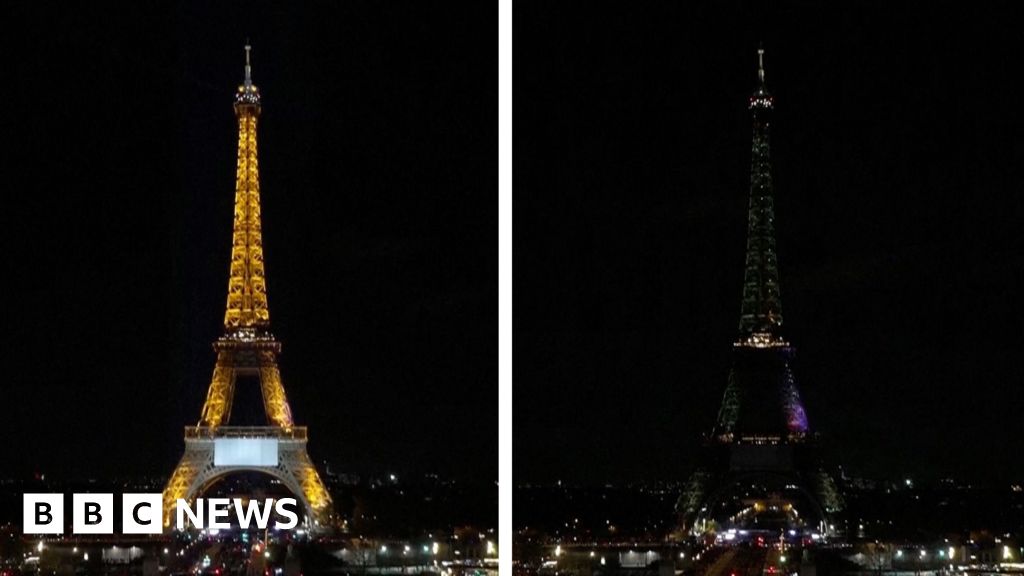
Earth Hour: A Global Call to Action
Every year, as the clock strikes 20:30 local time on a Saturday night, iconic landmarks around the world dim their lights in a powerful display of solidarity for our planet. This year, the Eiffel Tower in Paris and the Sagrada Família Basilica in Barcelona were among the many global symbols that participated in Earth Hour, a movement designed to raise awareness about environmental issues and encourage individuals to take action.
The Origins of Earth Hour
Earth Hour began in 2007 in Sydney, Australia, when residents turned off their lights for one hour as a symbolic gesture to combat climate change. What started as a local initiative quickly gained momentum, transforming into a global phenomenon. The World Wide Fund for Nature (WWF) spearheaded the event, and since then, it has grown exponentially, with millions of people participating across more than 180 countries.
The Significance of the Hour
The act of switching off lights for just 60 minutes may seem small, but it carries a profound message. Earth Hour serves as a reminder of the collective impact that individuals can have on the environment. By participating, people are encouraged to reflect on their energy consumption and consider more sustainable practices in their daily lives. The event highlights the urgent need for action against climate change and biodiversity loss, urging communities to come together for a common cause.
Iconic Landmarks Join the Movement
The participation of renowned landmarks like the Eiffel Tower and Sagrada Família adds a visual and emotional weight to the event. These structures, which attract millions of visitors each year, symbolize not only cultural heritage but also the shared responsibility we have to protect our planet. When these lights go out, it creates a moment of unity and awareness, reminding us that we are all part of a global community facing similar environmental challenges.
A Global Participation
Earth Hour is not just about famous landmarks; it’s a grassroots movement that encourages individuals, businesses, and governments to take part. Schools, offices, and homes around the world join in by turning off their lights, hosting events, and engaging in discussions about sustainability. Social media plays a crucial role in spreading the message, with hashtags like #EarthHour trending as people share their experiences and commitments to the environment.
The Broader Impact
While Earth Hour is a symbolic act, its implications extend far beyond that single hour. The event aims to inspire long-term behavioral changes and foster a sense of environmental stewardship. Many participants use the occasion to launch initiatives focused on sustainability, whether it’s reducing plastic use, conserving water, or advocating for renewable energy sources. The conversations sparked during Earth Hour often lead to ongoing community efforts to protect the environment.
Looking Ahead
As Earth Hour continues to evolve, its mission remains clear: to unite people in the fight against climate change and to inspire action for a sustainable future. Each year, the event serves as a reminder that while individual actions may seem small, collectively, they can lead to significant change. The participation of global landmarks not only enhances the visibility of the cause but also reinforces the idea that protecting our planet is a shared responsibility.
Join the Movement
As we look to the future, Earth Hour invites everyone to be part of this global movement. Whether you’re turning off your lights for an hour, engaging in local environmental initiatives, or simply spreading the word, every action counts. The next Earth Hour is not just an event; it’s an opportunity to reflect on our relationship with the planet and to commit to making a difference, one hour at a time.