Revitalizing Fuerteventura: The Importance of Dry Stone Wall Rehabilitation and Natural Landscape Care
Fuerteventura, one of the Canary Islands, is renowned not just for its stunning beaches and volcanic landscapes but also for its rich cultural heritage. One of the island’s most cherished traditional techniques is the construction of dry stone walls—structures that embody the island’s history and identity. Recent efforts have focused on restoring almost 1,700 linear meters of these walls, highlighting their dual role as cultural artifacts and functional elements of the landscape.
The Significance of Dry Stone Walls
Rehabilitation of dry stone walls goes beyond aesthetic appeal; these structures play a crucial role in environmental preservation. Historically, they have helped stabilize soil, reduce erosion, and manage water flow in the arid landscape. Fuerteventura’s climate poses challenges for soil conservation, making these walls not only a testament to craftsmanship but also a necessary component for environmental sustainability. Each wall represents a connection to agricultural practices of the past, often constructed by local families who understood the interplay between nature and tradition.
Integrative Conservation Efforts
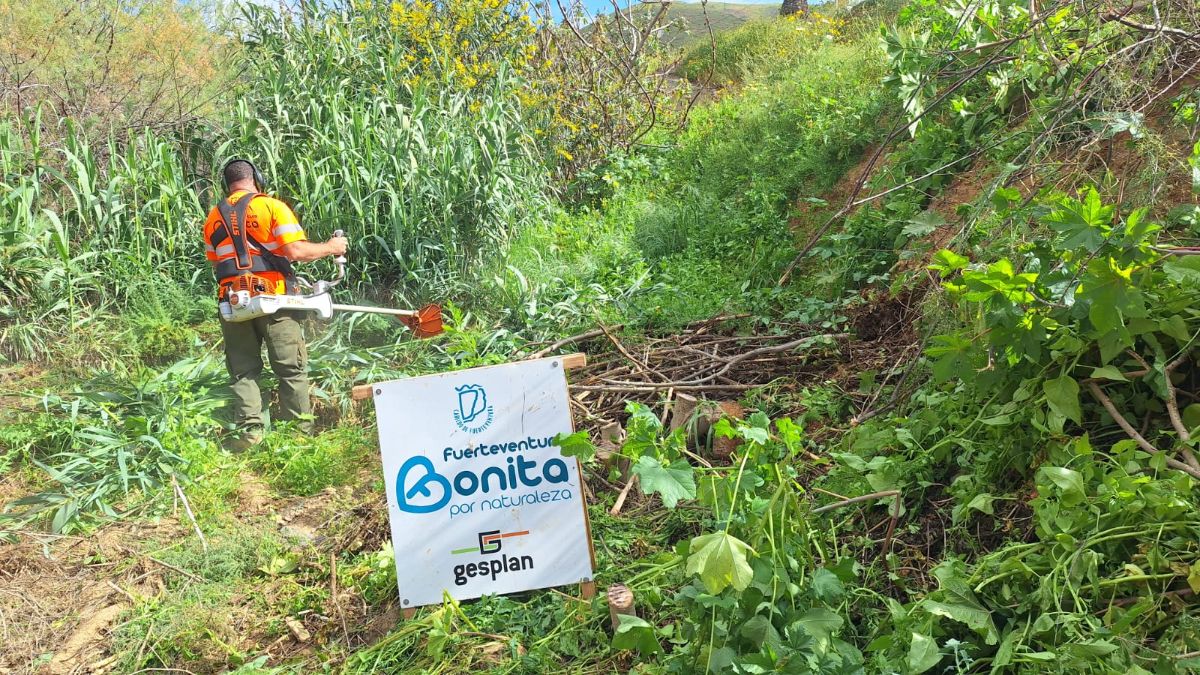
While the primary goal of these rehabilitation projects focuses on the restoration of dry stone walls, the intervention teams have expanded their scope to encompass broader ecological and infrastructural needs. This includes actions like brush clearing, targeted pruning, and path conditioning, which improve access for both local residents and visitors. Such holistic approaches are essential in preserving the traditional landscape and promoting the native ecosystems that are often threatened by invasive species.
The work undertaken by these teams not only enhances the natural trails but also fosters an environment where tourists and locals can appreciate the unique biodiversity of Fuerteventura’s ecosystems. The initiative encourages sustainable tourism by ensuring these natural pathways remain accessible and enjoyable while educating visitors about the ecological significance of indigenous flora.
Geographic Diversity of the Initiatives
These interventions do not confine themselves solely to the lush heart of Betancuria; they reach into multiple municipalities across the island. Key areas where significant work has been carried out include respected natural sites like the Barranco del Valle, Barranco de Las Peñitas, Majada Tenemuyaca, Majada Larga, Suerte del Riego, Barranco La Fuente, and Barranco Los Aceitunes.
This expansive approach ensures that the benefits of the rehabilitation reach a wider audience, reinforcing community connections while underlining the islanders’ commitment to preserving their environmental and cultural heritage.
Accessibility and Community Engagement
The program’s emphasis on improving accessibility plays a crucial role in making these natural spaces welcoming. Better access not only enhances the safety of paths but also enriches the overall experience of visiting these culturally significant landscapes. By removing barriers, the projects aim to engage more residents and visitors alike, fostering a deeper appreciation for Fuerteventura’s unique environment and heritage.
By preserving traditional practices and improving infrastructure, the initiative encourages a sense of shared responsibility among community members and visitors. Engaging locals in discussions about their heritage enhances the relevance of these conservation efforts.
A Legacy of Tradition and Sustainability
The rehabilitation of dry stone walls and natural landscape care is much more than a maintenance project; it represents a commitment to preserving the past while promoting a sustainable future. As these structures are brought back to life, they stand as enduring symbols of cultural resilience in the face of modern challenges.
The combination of historic preservation with forward-thinking ecological practices illustrates a model of sustainable land management that can inspire other regions facing similar challenges. Investing in Fuerteventura’s natural landscape and cultural heritage benefits both the environment and the community, laying the groundwork for future generations to cherish their island’s unique identity.