Discovering New Arthropod Species in Fuerteventura’s Unique Wetland
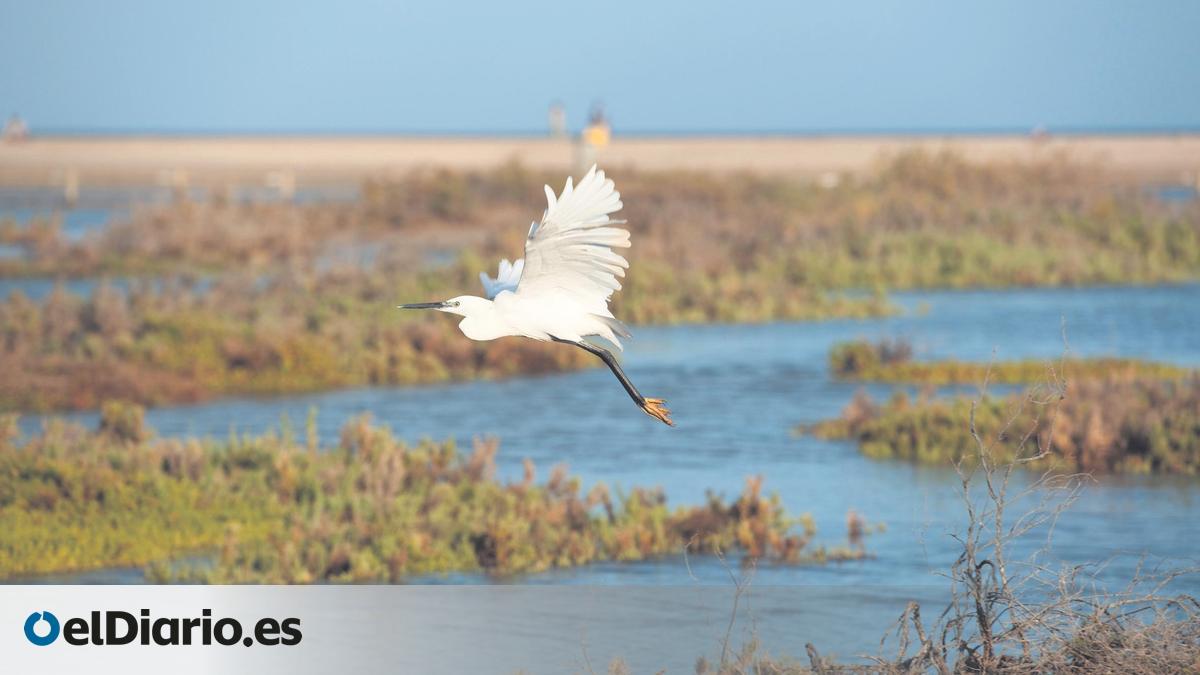
The island of Fuerteventura, part of Spain’s Canary Islands, is home to a remarkable discovery within its unique ecosystem. In the Saladar de Jandía—recognized as the only Canarian wetland of its kind—researchers have identified three new species of arthropods. This discovery was unveiled through a comprehensive survey conducted by two dedicated Canarian biologists, marking a significant milestone in the understanding of this delicate natural environment.
The Study and Its Objectives
The biologists responsible for this groundbreaking research were Néstor López from the Laboratory of Applied Entomology at the Forensic Research Center (CIFOR) and Clara Patiño, also of the same laboratory. Between July and October, they employed various collection methods, aiming to shed light on the arthropod fauna present in the Saladar. They conducted systematic sampling for the first time, a crucial step that would help catalogue both endemic and invasive species, particularly given the region’s closeness to tourist areas where ornamental plants are frequently introduced.
López remarked on the study’s significance, stating that one of the key objectives was to identify species that could serve as bioindicators. Such organisms can provide insight into the overall health of the wetland ecosystem. The biologists also sought to capture Aedes aegypti mosquitoes, known vectors of diseases such as dengue, following a public health emergency declared in 2017 after their presence was detected nearby.
Notable Discoveries
After months of diligent work, the biologists returned to Gran Canaria with samples of 152 different species. Within this collection, an astonishing 28 species were endemic to the archipelago. Among the most exciting finds were three previously unknown arthropod species to the Canary Islands:
- Meria vonizongo: A wasp species native to Madagascar.
- Parexochomus nigromalucatus: A ladybird with a Paleartic distribution.
- Protaetia sp.: A type of scarab beetle.
López expressed his excitement about this unexpected discovery, highlighting it as a major achievement considering the brevity of their sampling period and the limited area they investigated.
The Ongoing Research Efforts
While formal results are pending, preliminary observations suggest the presence of nine additional species previously unidentified in Fuerteventura. These include the parasitic wasp Evania appendigaster, an endemic cricket (Cycloptiloides canariensis), and various species of ants and winged insects.
Bioindicators play a vital role in establishing the health of ecosystems, and the researchers are keen on identifying suitable candidates among their findings, keeping in mind factors such as ease of identification.
Challenges Faced by the Saladar
Despite the successful identification of new species, the Saladar de Jandía faces significant threats. The influx of non-native flora, particularly from nearby hotels in Morro Jable where ornamental plants have been introduced, poses challenges for local biodiversity. López warns that some of these introduced species may become invasive.
Invasive species not only compete for scarce resources but also jeopardize endemic species that have adapted to thrive under specific conditions in the Saladar. Moreover, the introduction of mammals such as the common squirrel and other vertebrates exacerbates the pressure on local arthropods and vegetation.
The Impact of Human Activity
Human impact cannot be overlooked when assessing the health of the Saladar. Visitors, pollution, and neglect can have damaging effects. López points out that litter, especially plastics and other light materials, poses a severe risk to the ecosystem. These materials can become ensnared in the vegetation, leading to disruptions in the natural habitat.
Adding to this environmental strain is the light pollution produced by nearby hotels. This interference alters the nocturnal behaviors of fauna inhabiting the Saladar, impacting their survival rates.
Future Prospects
The researchers have expressed a strong desire to continue studying the arthropod fauna of the Saladar de Jandía throughout different seasons. With promising indications that their findings will further expand the known list of arthropods in the area, they anticipate continuing to uncover surprises beneficial to the scientific community and, ultimately, to the conservation of this unique wetland.
These discoveries not only contribute to the ecological knowledge of the Canary Islands but also highlight the necessity of ongoing research and monitoring to protect Fuerteventura’s intricate ecosystems from the myriad of challenges they face.