The Genetic Heritage of Majorera Lentils: A Glimpse into Canarian Agriculture
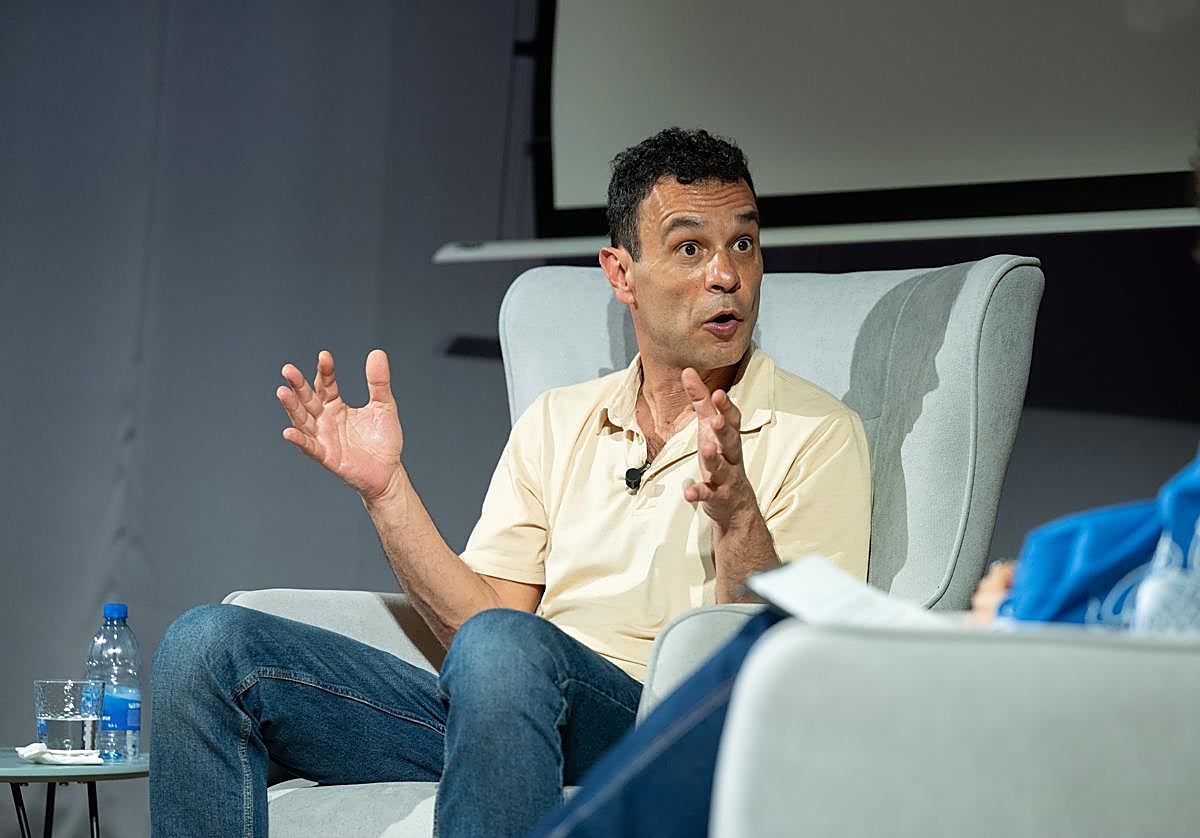
In a fascinating revelation about Canarian agriculture, Jacob Morales Mateo, a geneticist, has presented groundbreaking findings regarding the Majorera lentils. His research, conducted alongside Swedish University of Linköping and the University of Las Palmas de Gran Canaria (ULPGC), confirms that these archaeological lentils can be traced back over 2,000 years, to the time of the ancient Majos inhabitants of Fuerteventura.
The Importance of Majorera Lentils
During a cultural cycle sponsored by the Archaeological Museum of Fuerteventura (MAF), Morales highlighted the significance of the Majorera lentil. He proudly proclaimed that it is the same variety that the indigenous inhabitants introduced to the island, maintaining agricultural practices that have persisted from the aboriginal societies to the present day. This level of continuity is rare and serves as a testament to the adaptability and resilience of local agriculture.
Size Matters: The Unique Characteristics of Majorera Lentils
When asked about the physical characteristics of Majorera lentils, Morales noted that they are indeed quite small. In comparison, lentils found in Lanzarote are somewhat larger. This leads to questions about whether the aboriginal inhabitants brought a larger variety from home, which subsequently evolved to suit the drier conditions of Fuerteventura. The smaller size of the Majorera lentil makes it more water-efficient, thriving in the island’s arid environment.
Genetic Studies: Insights into Historical Lineages
Further inquiries into the genetic lineage of Majorera lentils revealed intriguing information. Morales mentioned that genetic analyses of mainland Spanish lentils indicate that they contain only 1% to 3% of Majorera lentil DNA. Initially, researchers speculated that these lentils had originated from the Iberian Peninsula. However, deeper investigations suggested that Majorera lentils were likely exported to the Peninsula from Fuerteventura and Lanzarote between the 17th and 18th centuries. This trade established a lasting impact, as seen in the esteemed lentils now cultivated in Canada, marketed as “Lanzarote type.”
Exploring the Cueva de Villaverde
While Morales’ work shines a spotlight on the Cueva de Villaverde, he acknowledges that detailed research in Fuerteventura has largely been limited to this single archaeological site. He expressed the need for further investigations on the island to glean more insights into ancient agricultural practices. In contrast, Gran Canaria has seen extensive research, with over 27 archaeological sites studied, providing a broader understanding of local agricultural history.
A Diverse Diet: More than Just Lentils
The archaeological findings at the Cueva de Villaverde reveal that the diet of the Majos consisted of more than just lentils. Researchers uncovered remains of durum wheat and barley, essential ingredients still utilized today. Notably, durum wheat is commonly used in pasta, couscous, and pizza dough, distinguishing it from the bread wheat typically used in traditional bread-making.
Moreover, the excavations revealed seeds from wild plants harvested by the Majos, such as cosco, acebuche (wild olive), and romame (white thorn). These discoveries not only paint a richer picture of the aboriginal diet but also underscore the natural resources available on the island.
The Flow of Cultivation: Weeds and Adaptation
Interestingly, the researchers also identified weed seeds alongside cultivated grain, which provide insights into ancient farming practices. Seeds from weeds like cenizo and malva were likely introduced unintentionally as the Majos brought their crops to Fuerteventura. This unintentional introduction illustrates the complex interactions between indigenous and foreign flora, contributing to the ecological narrative of the island.
The Impact of Isolation on Agricultural Diversity
Morales noted that when the first aboriginal settlers arrived on these isolated islands, they implemented agricultural practices necessary for their survival. However, over time, the geographical isolation has contributed to a decline in agricultural diversity. As crops diminished due to the inability to introduce new seeds, the inhabitants adapted to the plants available to them.
European Conquest and Agricultural Transformation
The European conquest of the 15th century significantly altered the agricultural landscape of Fuerteventura. The introduction of corn (millo) likely occurred in the 16th century, quickly becoming a staple food. However, Morales pointed out that the culinary techniques for new crops remained anchored in traditional methods, emphasizing the continuity of local practices despite the influx of foreign species.
A Hidden Legacy: The Unrecognized Presence of Majorera Lentils
Despite their longstanding presence, Majorera lentils went largely unrecognized until relatively recently. Morales explained that no historical accounts from the Norman conquest or later European travelers documented their existence. This lack of mention does not diminish their importance; rather, it highlights the small, inconspicuous nature of the lentil plants, which blended seamlessly into the landscape.
Understanding the Flora of Ancient Fuerteventura
Furthermore, Morales dispelled some misconceptions regarding other plants found at the site. While some researchers speculate about the ancient presence of date palms, studies have shown that the domesticated date palm was not introduced to North Africa until the medieval period. The seeds found correspond to the Canary Island palm, which would have been more common in the region.
Through Morales’ revelations, we gain a deeper understanding of the agricultural practices of the ancient inhabitants of Fuerteventura, their dietary habits, and the richness of their genetic heritage, including the resilient Majorera lentils that continue to thrive today. This ongoing research is crucial in unraveling the narrative of human interaction with agriculture on the islands, emphasizing the lessons these ancient practices can teach us today.
![[gpt_title] Rewrite this article’s title in the tone of *Fuerteventura Times* — calm, intelligent, and curiosity-driven. Keep it under 60 characters. Focus on themes like consciousness, healing, creativity, or neuroscience — avoid hype or clickbait. Make it sound soulful yet journalistic. Examples: “The Science of Stillness,” “Microdosing for Meaning,” “A New Age of Conscious Healing.” [/gpt_title]](https://static.scientificamerican.com/dam/asset/8e7b8e52-5e09-4e3b-9070-2d75b9e7b8cf/psilocybin.jpg?m=1778695904.136&w=1200 "[gpt_title] Rewrite this article’s title in the tone of *Fuerteventura Times* — calm, intelligent, and curiosity-driven. Keep it under 60 characters. Focus on themes like consciousness, healing, creativity, or neuroscience — avoid hype or clickbait. Make it sound soulful yet journalistic. Examples: “The Science of Stillness,” “Microdosing for Meaning,” “A New Age of Conscious Healing.” [/gpt_title]")

