The Cultural Heritage of Fuerteventura: The Apañadas de Ganado
On February 3rd, 2023, the Governing Council of the Canary Islands made a significant decision to declare the apañadas de ganado de costa in Fuerteventura as a Bien de Interés Cultural (BIC) of immaterial nature. This declaration highlights the importance of this ancient tradition, rich in history and cultural significance, particularly in the municipalities of Antigua, Betancuria, Puerto del Rosario, and Pájara.
What Are the Apañadas?
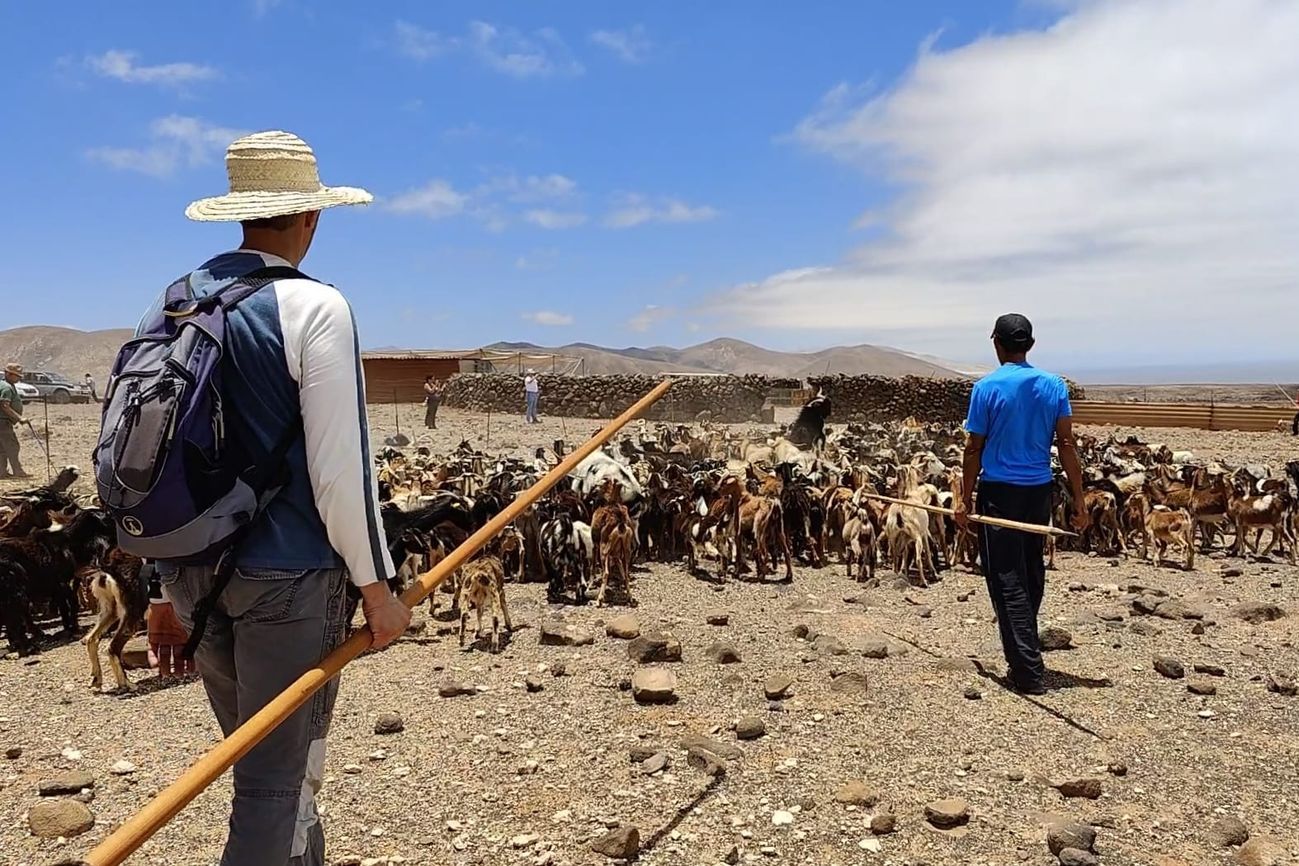
The apañadas consist of a traditional agricultural practice deeply rooted in the region’s history, possibly tracing back to the indigenous Maja society. They involve the collective capture of feral goats — primarily in communal lands. The term “apañadas” refers to the assembly of scattered livestock into designated corrals called gambuesas, where they are later identified, marked, and organized for distribution.
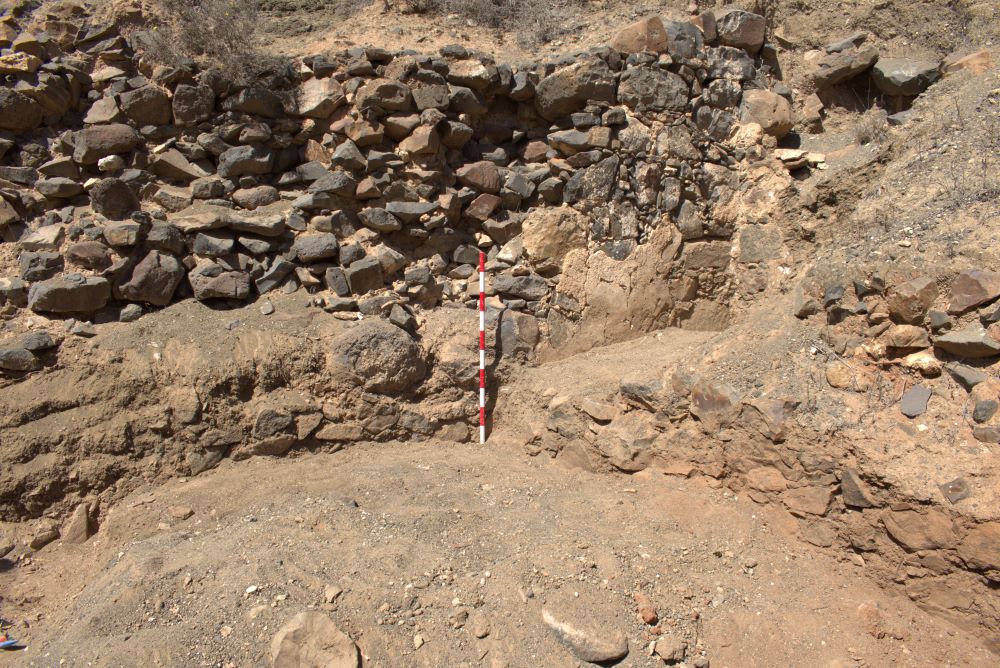
These corrals, made of dry stone walls, are crucial elements of this age-old practice, as they facilitate the management of livestock across the rugged landscapes of the island. The significant role they play in everyday life has led to a myriad of customs and beliefs surrounding the apañadas that have been passed down over generations.
Historical Relevance and Recognition
The Cabildo de Fuerteventura, the insular government, championed the proposal for the declaration, which subsequently garnered approval at both the Canary Islands’ Cultural Heritage Board on April 24, 2023, and finally at the Governing Council. This formal recognition underscores the apañadas not just as a cultural artifact, but as a vital component of the island’s collective history, contributing to its identity.
President of the Cabildo, Lola García, emphasized the institution’s commitment to preserving Majorero culture, stating that various strategic initiatives aim to protect both tangible and intangible heritage. The recognition of the apañadas is a significant step toward ensuring these traditions are safeguarded for future generations.
The Role of Community and Expert Studies
Rayco León, the Cultural Heritage Councillor, highlighted the etnografic significance of the apañadas, asserting that their declaration as BIC will enhance visibility, promotion, and protection for this vital practice. The Cabildo’s detailed study outlined in their proposal resonated with cultural experts, showcasing not only the tradition’s historical relevance but also the associated cultural elements that give it depth.
Migdalia Machín, the Minister of Culture, reiterated the collective efforts from various institutions and communities in conserving ancestral practices, noting the importance of generational continuity in maintaining these traditions.
Elements of the Tradition
Several key components form the foundation of the apañadas, most notably:
- The Gambuesas: These are the designated corrals, built with dry stone walls, where the goats are kept for marking and identification.
- The Comisionado: This figure represents the authoritative presence in coastal grazing areas, overseeing the management and organization of livestock.
- Marking Practices: The unique livestock markings are an identity register passed through generations, distinguishing one farmer’s goats from another’s.
The historical persistence of these practices highlights a community-driven approach toward animal husbandry, integrating traditional knowledge with social structures designed for communal participation.
A Deep Cultural History
Over centuries, goat farming has been a crucial sustenance source for the inhabitants of Fuerteventura. Goats are remarkably suited to the island’s arid conditions, making them the primary livestock. As stable livestock management was unfeasible due to resource limitations, the free-range grazing of goats became standard practice, leading to the apañadas tradition. Livestock provided meat, milk, hides, and materials for trade, which were essential for community survival.
Everywhere across the island, remnants of this practice can be found; the gambuesas serve as a testament to a rich past intertwined with the current cultural landscape.
Organizations Supporting the Tradition
Currently, six associations are dedicated to preserving and practicing the apañadas:
- Asociación de Ganaderos de Antigua
- Asociación de Ganaderos de Punta La Nao (Pájara)
- Asociación de Ganaderos del Mal Nombre (Pájara)
- Mancomún de Puerto del Rosario Puipana
- Asociación Tradiciones y Costumbres Ganaderas del Mancomún de Betancuria Gamabe
- Asociación de Ganaderos de Costa de Tuineje La Cabra Morisca
They manage several gambuesas across the island, each with specific locations noted for their ongoing use. For example, in Puerto del Rosario, one can find the gambuesa at Tablero Vega Vieja, while Antigua boasts several—including Valle de La Cueva and Llanos de Caleta Blanco.
This collaborative framework not only maintains tradition but also reinforces community ties and enhances the resilience of local agricultural practices. The apañadas de ganado de costa are more than just a practice; they are a vivid representation of Fuerteventura’s cultural identity and heritage.