The Oldest Church Remains in the Canary Islands are Found in Betancuria (Fuerteventura): Dating Back to the 15th Century
The oldest church in the Canary Islands has recently been confirmed by Tibicena’s research team. Through extensive archaeological excavations, the original remains of this sacred space have been documented. It is the Franciscan convent of San Buenaventura, established in the early 15th century.
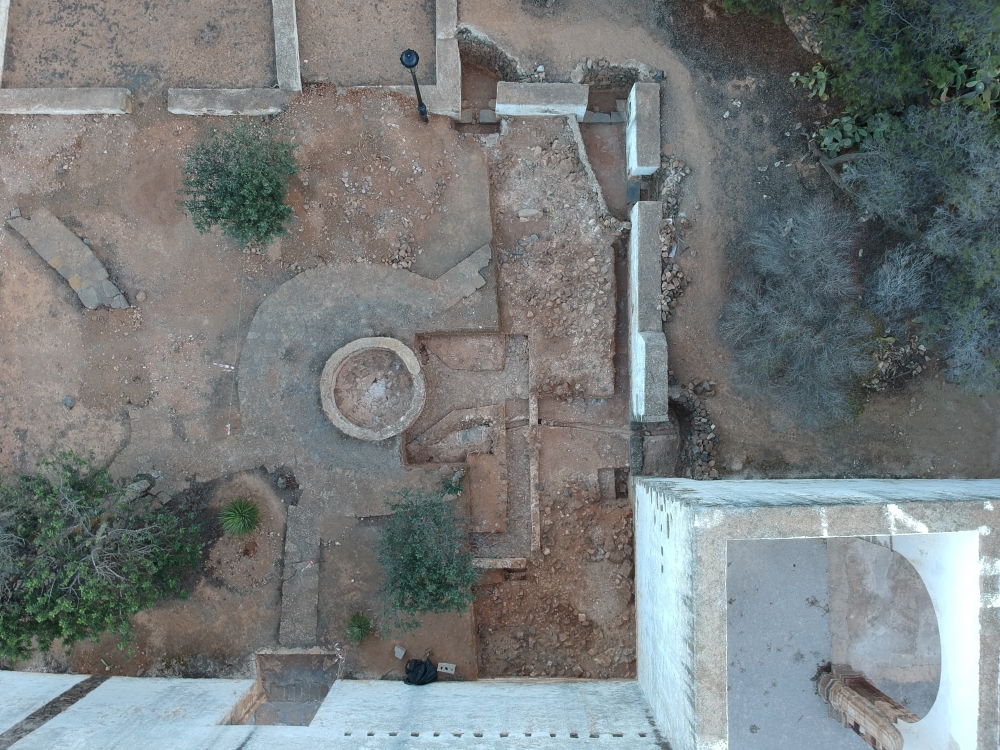
The Franciscan convent of San Buenaventura, located in Betancuria (Fuerteventura), represents the first conventual mission established in the Canary Islands. Despite its long history from 1413 to 1823, much about its original appearance and how it eventually disappeared remains a mystery.
The research and excavation team from Tibicena Arqueología y Patrimonio, led by Marco Antonio Moreno Benítez, has successfully dated and documented what are believed to be the oldest and best-preserved original walls from the period immediately following the conquest of the Canary Islands.
Church Construction Starting in 1413
The manager of Tibicena has indicated that dating, conducted in two separate laboratories in Barcelona and Poland, “confirms that we are facing the original church constructed starting in 1413.” The dating of the lime used to seal the walls has verified its originality, adding significant value to the remaining unexcavated fragments.
In 2018, with the support of the General Directorate of Cultural Heritage, Tibicena initiated an ambitious project to recover a site that initially seemed to offer little. However, subsequent campaigns, including the most recent in 2022 funded by the Cabildo of Fuerteventura, have uncovered a remarkable new line of investigation.
Chronology of the Excavation
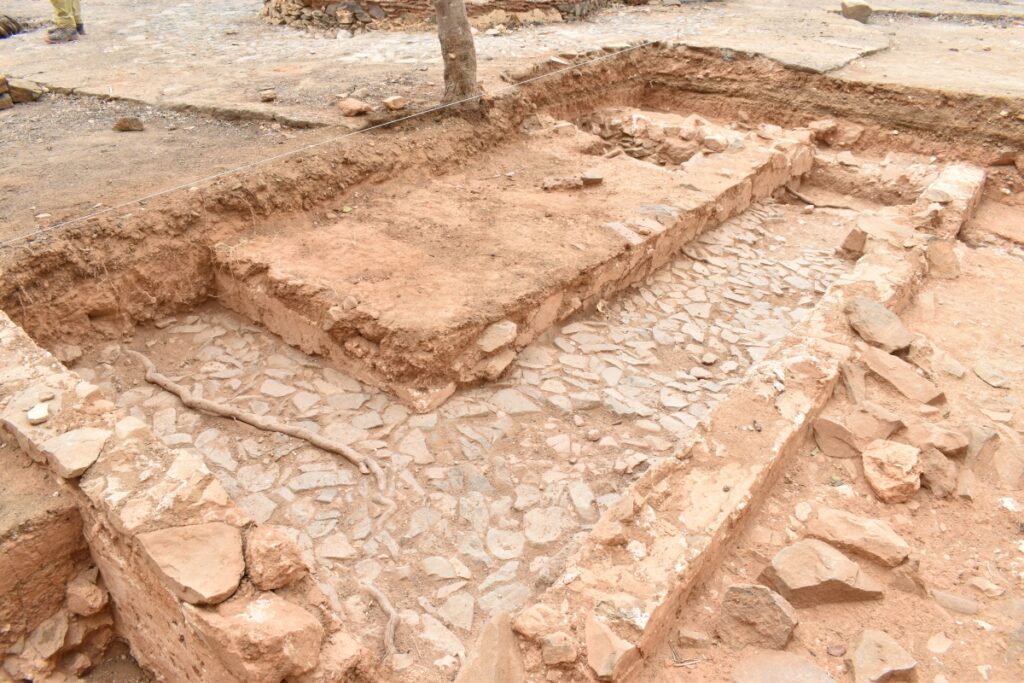
The initial work documented the remains of the missing cloister, as well as various hydraulic infrastructures located within it. Additionally, the presence of human remains was confirmed, contradicting the popular belief that the church was emptied in the second half of the 20th century.
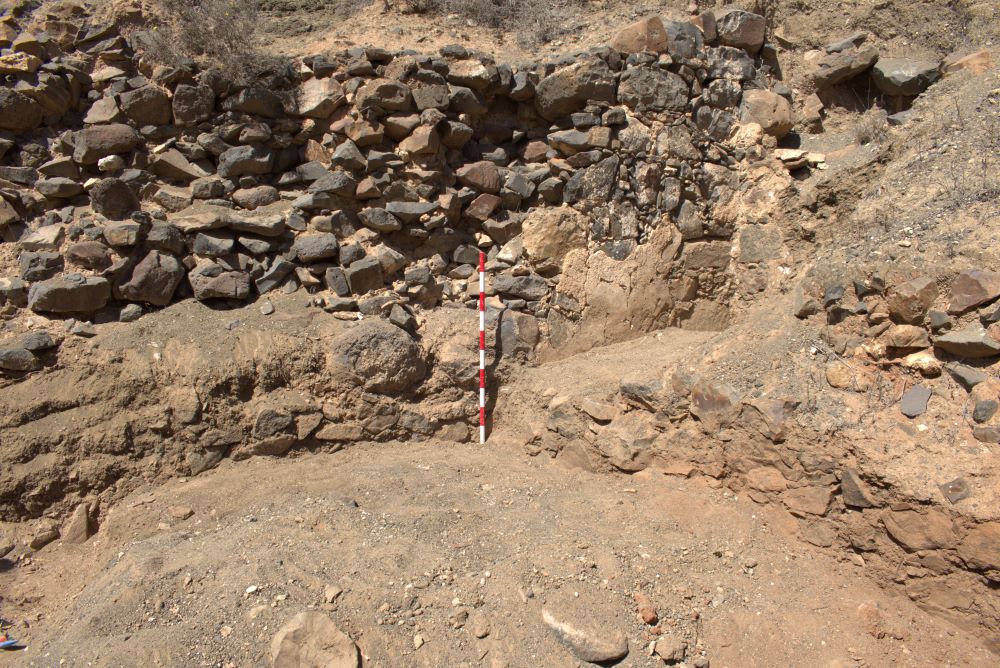
The greatest surprise arose from the altar end of the church, where fragments of walls dating back to the 17th century were recovered. Historical records indicate that around this time, the temple was separated from the cliff to prevent moisture problems. Other structures were also identified in this area, originally thought to be associated with local agriculture. However, the morphology and arrangement of these elements necessitated an expansion of the archaeological intervention, despite the logistical challenges of the site.
The results of these efforts have not only illuminated the size and development of these walls but have also confirmed, according to Marco A. Moreno, that we are looking at the original church constructed starting in 1413, representing the oldest and best-preserved walls from the period immediately after the conquest of the Canary Islands.
More Archaeological Work to be Done
All these findings establish the conventual site as a valuable legacy from the post-conquest era of Fuerteventura and, by extension, the entire island. Nonetheless, the head of Tibicena asserts that “a significant archaeological intervention is still needed to ensure the continuation of the project and to enhance the site’s value.
Currently, the complexity of the site requires a long-term plan that can exceed current expectations. The hope is to coordinate with the diocese and the site’s owners shortly to implement necessary steps for preserving and enhancing knowledge of this important enclave, allowing for public exhibition of the archaeological remains.