The Rising Tide of Foreign Ownership in Mallorca’s Real Estate
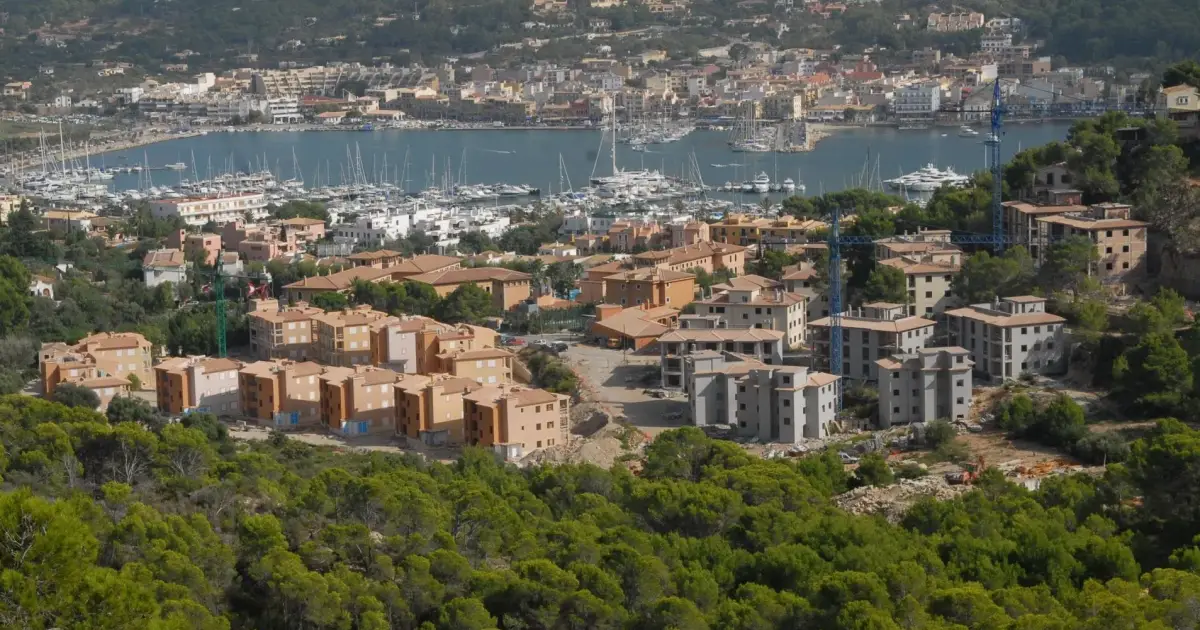
Recent reports have highlighted a striking trend in Mallorca’s real estate market: foreigners now own nearly 50% of homes in certain municipalities. This phenomenon is particularly pronounced in the picturesque Serra de Tramuntana region, where the allure of stunning landscapes and Mediterranean charm has attracted international buyers. However, this surge in foreign ownership raises concerns about the potential loss of local properties, a trend that threatens to extend along the island’s entire coastline.
The Government’s Response
In light of these developments, Spanish Prime Minister Pedro Sánchez has taken a proactive stance. During a recent international conference attended by the British government, he rallied socialist leaders against the far right while simultaneously addressing the pressing issue of foreign influence in the housing market. Sánchez underscored the necessity of implementing new regulations to curb the impact of foreign buyers on local real estate.
One of the key proposals discussed was a potential ban on housing purchases by non-resident foreigners from non-EU countries. This idea, initially floated during an EU summit in Brussels last November, aims to address the growing concern over second homes in high-demand areas across Europe. However, the specifics of such a policy remain murky. It is unclear whether it would exclusively target foreign buyers or if it might also affect local residents in these regions.
Shifting Trends in the Luxury Market
As the debate over foreign ownership intensifies, the luxury residential market in Mallorca is undergoing a notable transformation. According to the 2025–2026 Luxury Residential Market Evolution and Trends Report by valuers Tecnitasa, high-end properties are increasingly being sought in the island’s interior rather than its traditional coastal hotspots. Areas like Binissalem, Bunyola, and Sencelles are witnessing a surge in demand, with properties priced between three and five million euros.
This shift reflects changing buyer preferences, with many now prioritizing tranquility, scenic beauty, and authenticity over the hustle and bustle of coastal living. The report emphasizes that the value of luxury properties cannot be assessed solely through conventional metrics. Instead, factors such as uniqueness and location play a crucial role, necessitating a more qualitative approach to valuation.
The Local Impact
The influx of foreign buyers has sparked a complex conversation about the implications for local residents. As property prices soar, many locals find themselves priced out of the market, raising concerns about community displacement and the preservation of cultural identity. The potential regulations proposed by Sánchez could serve as a safeguard for local residents, but the effectiveness of such measures remains to be seen.
Moreover, the luxury market’s shift towards the interior may offer some respite for coastal areas, as it could alleviate pressure on housing demand in those regions. However, it also raises questions about the sustainability of growth in the interior and whether it will lead to similar challenges faced by coastal municipalities.
Conclusion
The evolving landscape of Mallorca’s real estate market is a microcosm of broader global trends, where the intersection of local needs and international interests creates both opportunities and challenges. As the island grapples with the implications of foreign ownership, the balance between attracting investment and preserving local communities will be a critical focus for policymakers and residents alike.