The Spain-Morocco Fixed Link: A New Era of Connectivity
Spain and Morocco have reignited discussions around the ambitious Spain-Morocco fixed link under the Strait of Gibraltar. This project is more than just a transportation initiative; it represents a vital Mediterranean trade corridor that promises to enhance intercontinental connectivity. As global trade dynamics shift, the need for reliable infrastructure becomes increasingly critical, especially in the face of economic shocks that can disrupt shipping lanes.
The Importance of Strategic Infrastructure
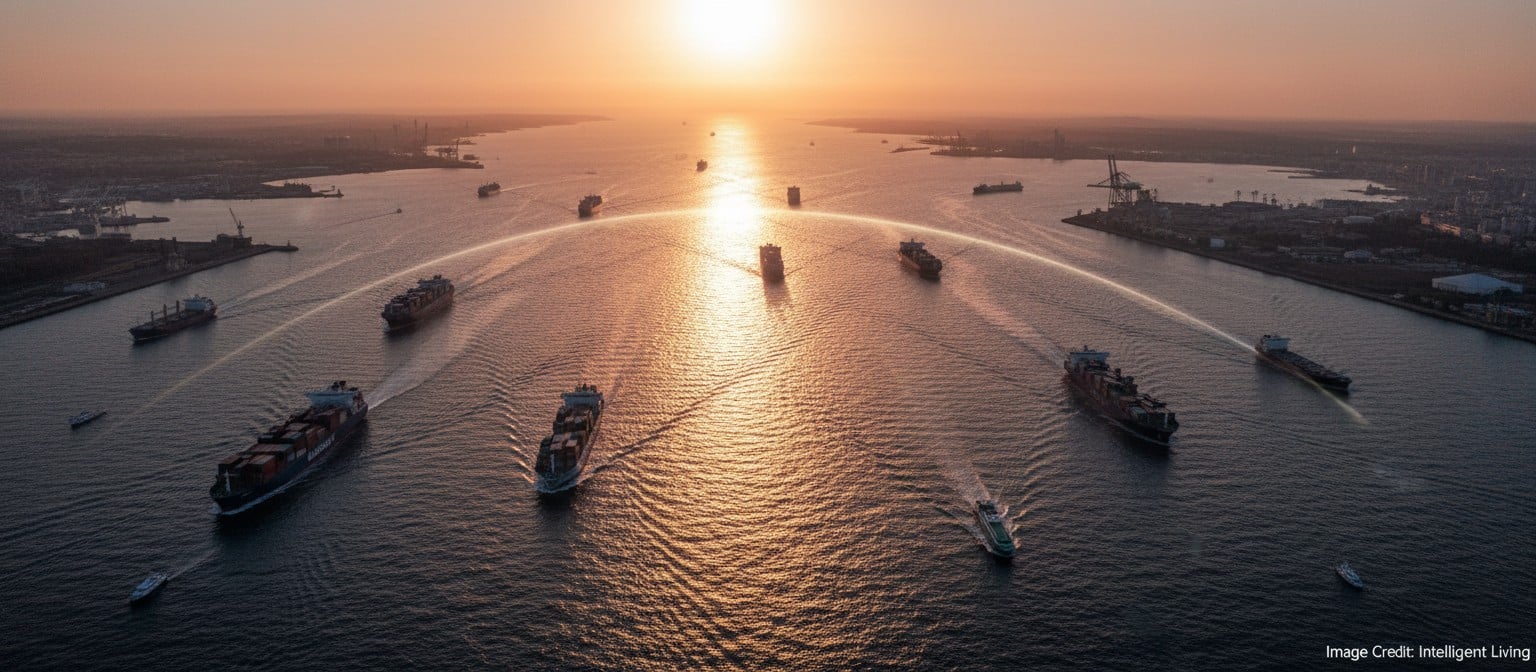
The Strait of Gibraltar is a narrow channel that serves as a crucial maritime artery, with around 300 ships traversing it daily. This high volume of traffic underscores the strategic importance of the region. The proposed fixed link aims to provide a reliable alternative to maritime transport, acting as a buffer against potential disruptions. When shipping lanes are blocked, the economic impact can be immediate, leading to increased freight costs and logistical uncertainties. By establishing a fixed rail link, Spain and Morocco are not just enhancing trade routes; they are creating a safety net for their economies.
Technical Studies and Funding Initiatives
Recently, Spain allocated funding for technical studies aimed at refining the engineering aspects of the Mediterranean corridor. This renewed focus on technical precision is crucial for ensuring the project’s viability before any construction begins. Engineers are currently investigating seabed geology, alignment accuracy, and overall project costs. These studies are essential steps that signal a commitment to moving from theoretical discussions to actionable plans.
The funding for these studies is a strategic signal that the project is gaining momentum. It reflects a broader recognition of the need for infrastructure that can withstand the pressures of global trade. As multiple research tracks converge on the same corridor, it becomes increasingly clear that the project is transitioning from concept to implementation.
Current Project Status: Key Metrics
Understanding the current status of the Spain-Morocco fixed link involves examining various metrics that define its progress. While initial funding may seem modest, it often masks significant strategic shifts. The project is currently undergoing a rigorous validation cycle, where data points are converted into a buildable sequence. This phase is critical for establishing the feasibility of the project and ensuring that it can move forward effectively.
Engineering Challenges: Geological Considerations
Planning a subsea rail tunnel of this magnitude requires navigating complex geological realities. The geological formations and seabed depth dictate the alignment and excavation methods. Engineers must carefully consider these factors to avoid weak geological formations that could jeopardize the project. The alignment of the tunnel is not merely a matter of distance; it involves a nuanced understanding of the geological landscape.
The choice of rail as the primary mode of transport for the fixed link simplifies many safety challenges associated with long subsea crossings. Electrified rail systems can manage heat and exhaust more efficiently than other modes, ensuring reliable scheduling for both passengers and freight. This reliability is crucial for time-sensitive cargo, making the rail corridor an attractive option for logistics planners.
Logistics Redundancy: Addressing Global Risks
The persistent discussion around the Spain-Morocco fixed link is driven by the need for logistics redundancy in the face of global maritime chokepoint risks. Narrow maritime channels can concentrate trade flows, making them vulnerable to disruptions. When these disruptions occur, companies are forced to maintain costly inventory buffers, which can strain their bottom lines.
The proposed tunnel is not intended to replace existing shipping routes but to serve as a strategic option that enhances reliability. By providing a timetable-driven alternative, the fixed link can mitigate the economic pressures that arise from unpredictable maritime conditions.
The Role of Existing Hubs: Tanger Med and Algeciras
The logistics hubs of Tanger Med in Morocco and Algeciras in Spain operate as a unified gateway system, managing intense passenger and freight surges. Tanger Med has recently achieved significant milestones, including handling over 10 million containers, highlighting its role as a high-throughput platform. On the European side, Algeciras serves as a vital Ro-Ro (roll-on/roll-off) freight bridge, facilitating the movement of heavy goods vehicles.
The integration of these hubs with the proposed rail link is essential for creating a seamless logistics network. The rail connection would not only enhance the efficiency of existing operations but also provide a reliable option for time-sensitive shipments, addressing the growing demand for logistical certainty.
Engineering Feasibility: Navigating Geological Constraints
While modern technology makes long subsea tunnels feasible, the engineering challenges are significant. Factors such as rock quality, sediment layers, and faulting risks can impact the pace of construction. The ongoing geoscience collaboration tied to the SECEGSA studies emphasizes the importance of thorough mapping and measurement before excavation begins.
Exploratory boreholes and seismic mapping are currently dominating the technical agenda, laying the groundwork for future construction. This meticulous planning is crucial for ensuring that the project can transition from concept to buildable engineering.
Seasonal Logistics Management: The Summer Migration
Every year, the crossing between Spain and North Africa experiences a surge in vehicle and passenger traffic during the summer months. This seasonal peak highlights the importance of reliability in logistics. The Operation Crossing the Strait initiative documents millions of passengers and hundreds of thousands of vehicles moving within a defined timeframe, illustrating the pressure on existing systems.
A fixed rail link would not eliminate the challenges posed by seasonal peaks, but it would provide an additional option for managing the flow of people and goods. This added reliability could significantly enhance the overall efficiency of the logistics network.
Global Trade Nexus: Current Operational Uses
The Gibraltar corridor currently supports a complex mix of passenger, freight, and maritime traffic. The existing infrastructure is under immense pressure, with logistics planners managing high-volume channels. The proposed rail link would act as a reliability multiplier, ensuring that critical trade routes remain operational even in the face of disruptions.
Transitioning to a rail-based model offers the necessary redundancy to protect these vital trade routes from future volatility. This shift is essential for addressing the growing vulnerabilities in global supply chains.
Resource Resilience: Addressing Chokepoint Risks
Chokepoints can impact various sectors of the economy in unique ways. Geopolitical shocks and supply chain vulnerabilities can reshape logistics narratives, making energy flows a primary indicator of economic stress. The proposed fixed link under the Strait of Gibraltar addresses the fundamental need for redundancy in critical supply chains.
By investing in this infrastructure, Spain and Morocco are positioning themselves to better manage the risks associated with global trade. The fixed link is not just a transportation upgrade; it is a strategic asset that enhances resilience in an increasingly interconnected world.
Project Implementation Roadmap: Key Milestones
As the project moves forward, several key milestones will be critical to watch. The delivery of updated pre-project designs will signal a shift toward actionable engineering sequences. Additionally, clarifying the location of the Spanish-side terminal and its rail connection plan will indicate progress in land use and network integration.
Published results from seafloor mapping campaigns will further reduce uncertainty about the physical environment the tunnel must cross. Any procurement packages that separate early investigative works from the main bore contract will indicate that budgeting is aligning with construction sequencing.
Technical Insights: Frequently Asked Questions
Is the Spain-Morocco fixed link currently approved for construction?
Construction authorization is pending as teams focus on de-risking the infrastructure and updating strategic corridor planning models.
Why do the cost estimates for the Spain-Morocco subsea rail link vary?
Cost estimates can differ based on the scope of the project, including whether reports account for terminal construction and inland rail modernization.
Would the Strait of Gibraltar rail tunnel replace existing ferry services?
The rail link is designed to complement existing ferry services, providing a high-capacity option for time-sensitive freight while maintaining flexibility for seasonal peaks.
What are the primary engineering challenges of subsea tunnels under Gibraltar?
The engineering challenges primarily revolve around the complex geology of the Strait, including fault zones and sediment stability.
How long is the Strait of Gibraltar rail tunnel reference alignment?
The primary blueprints utilize a 38.7-kilometer reference alignment, although the total corridor length will expand when considering approach tracks and land-based connections.
By focusing on these aspects, the Spain-Morocco fixed link stands to redefine connectivity between Europe and Africa, offering a robust solution to the challenges posed by global trade dynamics.