The Ancient Inhabitants of the Canary Islands: Unraveling the Mystery of Colonization
The history of the Canary Islands is a captivating tapestry that weaves together elements of archaeology, anthropology, and migration studies. The islands, often considered a bridge between Europe and Africa, have always been a focal point of curiosity regarding their early inhabitants. Recent archaeological efforts have provided crucial insights into the timing and manner of the islands’ colonization, though debates still run rampant.
The Dating of Advent
The excitement surrounding the colonization of the Canary Islands has been reinvigorated by recent archaeological finds. It has been established that human remains located in La Chifletera, Lanzarote, date back to the 3rd century CE, specifically between 207 and 260 CE. This revelation suggests that these early settlers might have reached the island by the end of the 2nd century. However, scholars are still grappling with fundamental questions: was the colonization a simultaneous endeavor across all the islands, or did it happen in waves?
The ongoing research has birthed three primary theories regarding the origins of these populations: were they deportees from North Africa, voluntary migrants, or skilled navigators who reached the islands on their own? This uncertainty adds an enriching layer to the discussion among historians and archaeologists alike, and since 2020, fresh studies have illuminated various aspects of this fascinating narrative.
Unlocking Secrets from the Past
In 1981, a significant discovery occurred when an archaeology intern at the University of La Laguna stumbled upon an unexamined catalog book on Berber tribes. Within this text, the presence of the “canarii” tribe located in the Atlas Mountains caught his attention. José Juan Jiménez posits that this tribe played a crucial role in the early settlement of Gran Canaria, arriving as deportees. While Jiménez’s hypothesis provides intriguing clues, he admits to lacking concrete documentary evidence.
As of now, no archeological team has definitively mapped out how exactly colonization transpired in the archipelago. Nevertheless, notable advancements have emerged in genetics, geoarchaeology, and bioarchaeology. This ongoing scientific inquiry hints at an increasingly nuanced understanding of the various forces at play during the colonization process.
The IsoCAN Project
Diving deeper into the academic domain, a new project called IsoCAN – focusing on isolation and evolution in oceanic islands – has recently gained traction. Jonathan Santana of the University of Las Palmas de Gran Canaria leads this initiative with a significant ERC Starting Grant amounting to 1.4 million euros for a span of five years. This ambitious project aims to pull together archaeological data from across the entire archipelago, breaking new ground through collaborative research.
After two years of challenging work veiled by the pandemic, preliminary results suggest a fascinating possibility: there may have been no direct contact between the Romans and the indigenous populations. Such findings, derived from archaeological materials, indicate temporal gaps between Roman artifacts and aboriginal remains.
The Essence of Migration
Questions arise about the motivations behind the initial migrations. Some scholars argue that various factors—social upheaval, wars, and even diseases—pushed these early inhabitants to seek new grounds. According to José Guillén, one such health crisis, the Cyprian plague, might have compelled populations to flee.
The perspectives on whether the colonization was simultaneous or staggered remain contentious. Some academics propose that older tribes were systematically deported by Roman authorities as a way to quell dissent in North Africa, while others advocate for a more organic migration process.
Evidence Points Towards a Coastal Beginning
Interestingly, archaeological studies underscore that the initial settlement in at least five of the seven islands likely began in coastal regions. The oldest sites, including La Herradura in El Hierro and El Tendal in La Palma, suggest a close alignment to the shores. Much debate centers around whether these arrivals were a result of organized colonization or if they came independently.
The Role of Roman Influence
Another pivotal aspect of this discourse revolves around the Romanization of indigenous populations. Archaeologist Jorge Onrubia emphasizes the impact that trade and other social dynamics during Roman rule had on the Canarian tribes. He asserts that examining burial practices offers insights, as they align closely with those found in North African societies interacting with Romans.
New Research Frontiers
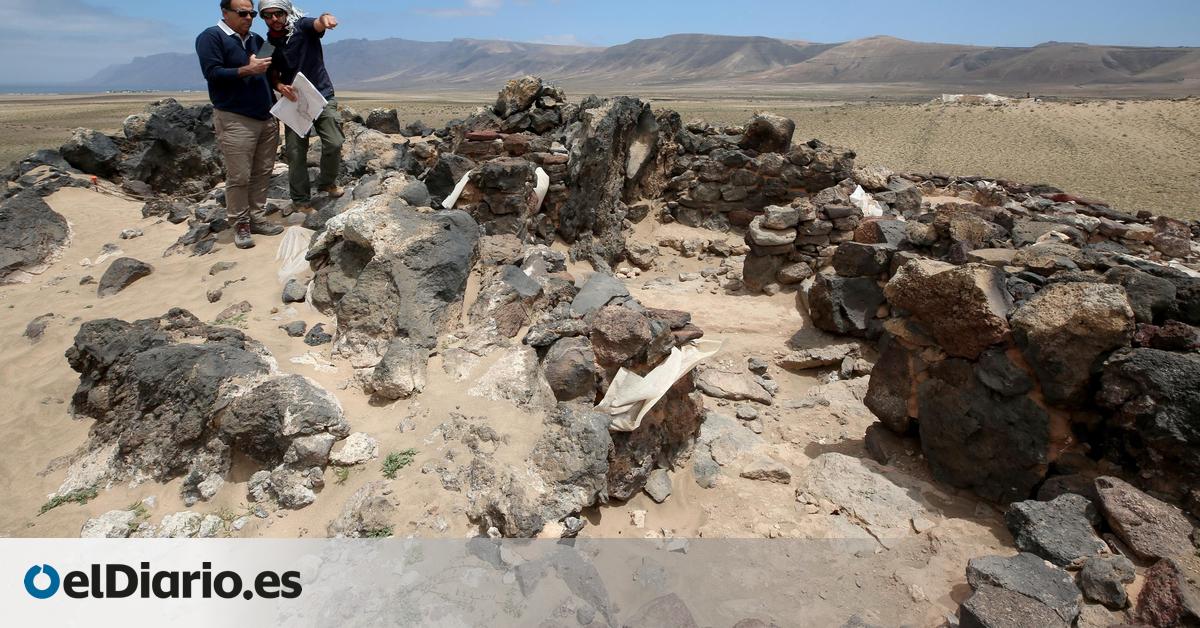
With a plethora of new dating methods taking shape, rigorous examinations of archaeological sites promise to offer fresh insights into timelines of the first inhabitants. For instance, recent excavations in Lanzarote have revealed human remains believed to underscore the communal burial techniques prevalent at the time.
As investigations continue, scholars aim to disentangle the complex fabric of society on the islands. Did these early inhabitants maintain similar cultures, or did varying external influences create distinctive identities?
The Future of Understanding
While significant strides have been made, the questions of migration patterns and the subsequent development of Canarian society remain open. Historians like Jonathan Santana suggest the possibility of multiple waves of colonization rather than a single migratory event. Further archaeological studies promise to yield more definitive answers regarding genetic lineages and sociocultural evolution.
In this ever-evolving tale of the Canary Islands, the story is still being written, revealing new chapters and insights as research digs deeper into the past. The antique footprints of settlers have only begun to be retraced, with an exciting future waiting just beneath the surface.