Restoration of Betancuria’s Historic Convent: A Cultural Revival
The Cabildo de Fuerteventura, through its Department of Historical Heritage, has taken a significant step toward preserving the rich history of the Canary Islands by approving a comprehensive project aimed at the conservation and restoration of the convent area in Betancuria. This initiative stems from a partnership between the insular corporation and the Diocese of the Canary Islands, and it encompasses key historical sites, notably the remains of the conventual church, the area formerly occupied by the convent itself, and the nearby San Diego Hermitage.
A New Chapter for Historical Heritage
On Wednesday, the Historical Heritage Department informed the public of its favorable decision, having received the definitive project plans and all requisite documentation from the church authorities. This approval marks a crucial moment in efforts to safeguard one of the archipelago’s most important historical sites.
The President of the Cabildo, Sergio Lloret López, expressed enthusiasm for the project, highlighting the significance of the Franciscan convent of San Buenaventura. He referred to it as one of the archipelago’s most vital historical landmarks, emphasizing its role as a witness to the historical events that have shaped the Villa Histórica de Betancuria.
Supporting Cultural Heritage
Councilor Rayco León emphasized the importance of initiating restoration, conservation, and research activities swiftly. These actions aim to establish a site of extraordinary cultural value, as this convent represents the first Franciscan settlement in the Canary Islands.
With an investment of €300,000 dedicated to this collaboration, the Cabildo and the Diocese of the Canary Islands intend to halt the deterioration of the area and transform it into a cultural destination. This effort is particularly significant given that the Historic Ensemble of the Villa de Betancuria attracts thousands of residents and tourists each year.
Project Components: A Multifaceted Approach
The proposed project comprises three distinct components, each addressing different aspects of the heritage site. The first element is an architectural plan aimed at conserving and consolidating existing structures. This stage will focus on stabilizing the remaining edifices to withstand the test of time.
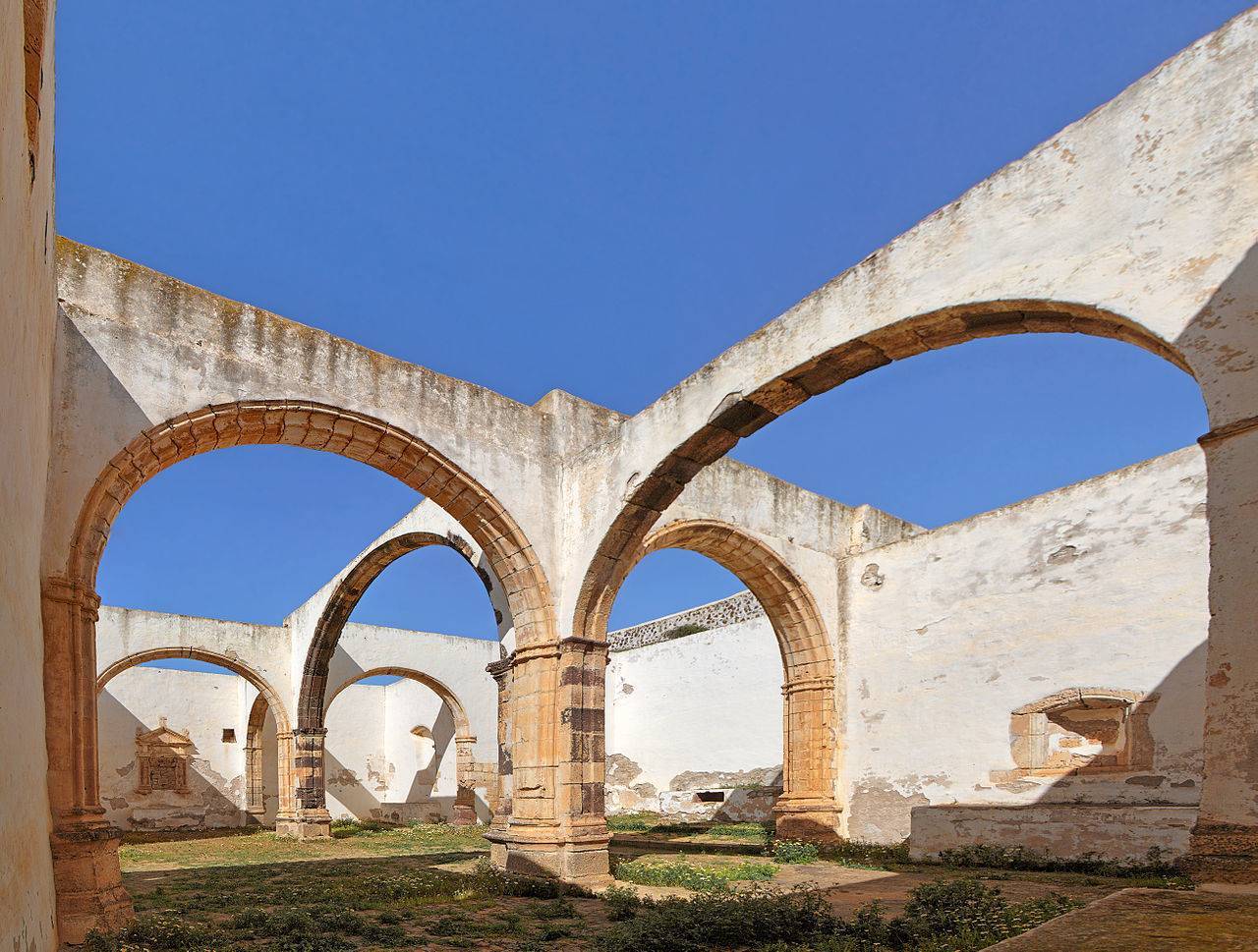
The second component involves the restoration of stone elements, including columns, arches, doors, and niches. These features are vital not only for the aesthetic appeal of the site but also for its historical authenticity.
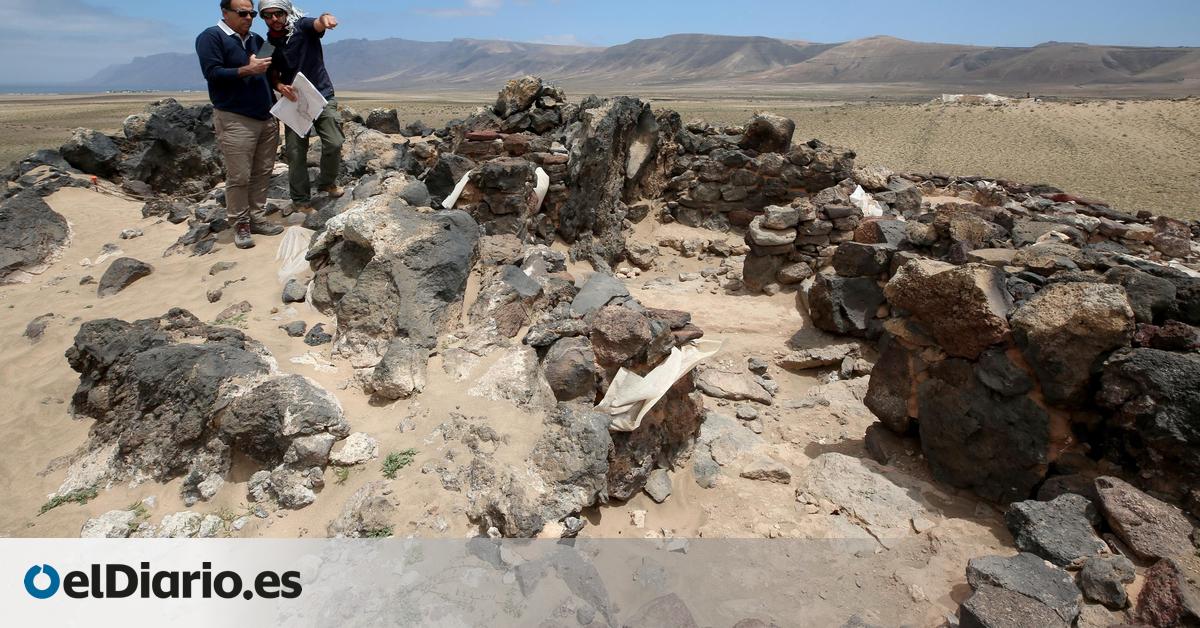
The final aspect of the project is an archaeological excavation, which will conduct stratigraphic analysis of elements that may have been part of an earlier church structure. This research could unearth significant insights into the ecclesiastical history of the region.
Architectural Significance of San Buenaventura
The convent of San Buenaventura reflects a simple but profound architectural style, constructed primarily of masonry with the use of dressed stone in its supports. This Mudéjar work integrates classic elements, presenting a Latin cross layout that comprises a double arm and a flat head, due to the inclusion of two sacristies.
Remarkably, the only adornments that remain from its storied past are two small altarpieces featuring intricately carved stone niches. These remnants not only bear witness to the artistic craftsmanship of the time but also serve as a reminder of the convent’s former glory.
Through this ambitious project, the Cabildo de Fuerteventura not only aims to preserve a piece of the Canary Islands’ history but also enriches the cultural landscape of the region, nurturing the legacy of Betancuria for future generations.