Highland Park’s Departure from DART: A Missed Opportunity for Communication
Highland Park’s recent decision to withdraw from the Dallas Area Rapid Transit (DART) system has sparked a mix of approval and concern among residents and commuters. While the rationale behind the exit—primarily the low ridership and absence of rail stations within the town—makes financial sense, the execution of this transition has left much to be desired, particularly in terms of communication with those most affected.
The Shift to On-Demand Rideshare
In lieu of DART services, Highland Park has introduced its own on-demand rideshare program. This initiative allows residents to schedule rides via an app or over the phone, aiming to fill the gap left by the discontinued bus service. However, the rollout has not been as smooth as one would hope.
Language Barriers in Communication
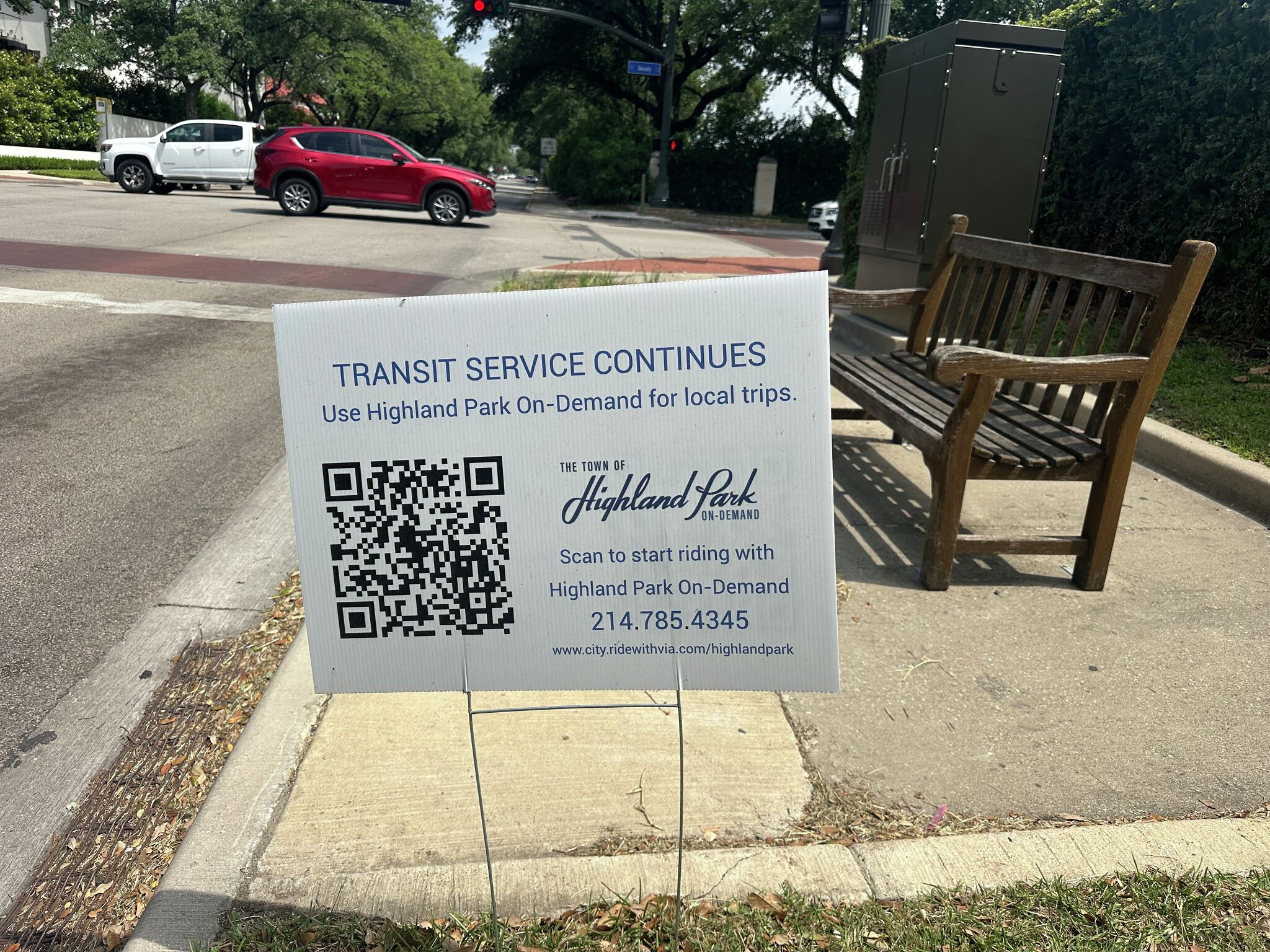
One glaring issue is the lack of bilingual signage. Currently, promotional materials for the new rideshare service are only available in English. This oversight has significant implications, especially for the many residents who primarily speak Spanish. Reports from local journalists Lilly Kersh and Imelda García reveal that many commuters—particularly women working as housekeepers, nannies, and restaurant staff—are unaware of the new service or how to access it.
The Importance of Inclusive Messaging
At a recently closed bus stop along Route 237, a sign in English announced the transition to Highland Park On-Demand. In stark contrast, a DART notice at the same location provided information in both English and Spanish, clearly indicating that the bus service had permanently ceased. This inconsistency raises an important question: If it was essential to inform riders in both languages about the discontinuation of bus service, why is the same consideration not extended to the new transportation options?
Understanding the Audience
Route 237, the only bus line serving Highland Park, averaged about 35 boardings per weekday, according to DART statistics. Given these numbers, it should have been relatively straightforward for Highland Park officials to identify regular riders and anticipate how the service changes would impact them. Effective communication strategies are built on understanding the audience, and in this case, that includes providing information in both English and Spanish.
Concerns About Reliability
Kersh and García’s reporting also highlighted concerns among commuters regarding the reliability of the new on-demand service. Questions linger about whether the program can effectively coordinate ride times and destinations for multiple riders. For those who depend on public transportation to get to work, these uncertainties can be daunting.
A Call for Urgent Action
The lack of urgency in addressing these communication gaps is disappointing. Highland Park’s leadership has a responsibility to ensure that all residents, regardless of their primary language, are informed about essential services that directly affect their daily lives. The absence of bilingual signage not only undermines the new rideshare initiative but also sends a troubling message: that the needs of the most impacted individuals were not fully considered during this transition.
The Bigger Picture
Ultimately, the decision to withdraw from DART may have been a sound financial choice, but the execution of that decision has raised significant concerns about inclusivity and communication. As Highland Park moves forward with its new transportation options, it must prioritize effective outreach to all residents, ensuring that everyone has equal access to information and services. The community deserves better, and it’s time for Highland Park to step up and address these critical issues.