Tefía: A Historic Path to LGBTQ+ Memory and Recognition
The Past of Tefía
Located in Fuerteventura, the historical Agricultural Penal Colony of Tefía played a dark role during the Francoist regime, housing over 300 prisoners—many of whom were incarcerated for their sexual orientation. This stark reality is set against the backdrop of Spain’s oppressive policies of the time, where homosexuality was criminalized, leading to the confinement of individuals deemed “undesirable.”
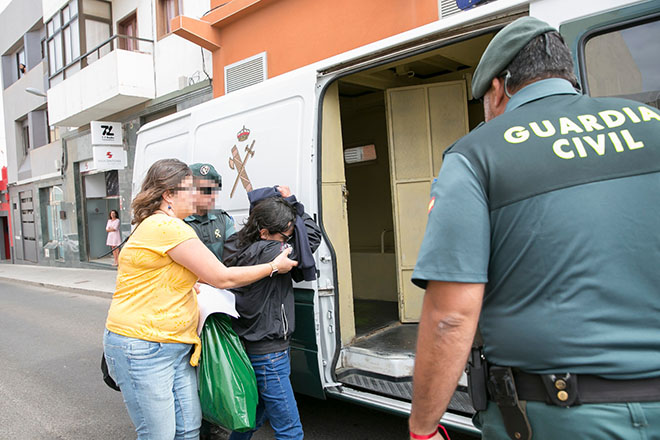
In early 1954, Tefía transitioned from an aerodrome to a place of detention and punishment, primarily targeting social prisoners and homosexuals under the Francoist Law of Vagrancy and Social Dangers. This law, originally established in 1933 during the Second Republic, was modified by Franco’s regime to equate homosexuals with “ruffians and professional beggars,” further stigmatizing an already marginalized group.
The Transition Towards Memory
Recent announcements from Ángel Víctor Torres, Spain’s Minister of Democratic Memory, signal a significant turn in Tefía’s narrative. The declaration of Tefía as a site of democratic memory is a crucial step in recognizing the suffering of those who were unjustly detained there. This initiative aligns with the efforts of Altihay, a Fuerteventura-based organization advocating for LGBTQ+ rights, seeking not just recognition but also the preservation of this dark chapter in history.
Tefía’s Role in LGBTQ+ History
In a society where the memories of LGBTQ+ individuals often recede into obscurity, Tefía stands as a potent symbol of resilience. The stories and experiences of former inmates, now somewhat sparse due to the passage of time, still echo through the narrative of the penal colony. The testimonies of individuals like Juan Curbelo and Octavio García serve as critical reminders of the importance of documenting history.
Under the oppressive conditions of Tefía, inmates were subjected to forced labor, enduring grueling tasks such as breaking stones and digging ditches while being deprived of basic necessities. These harrowing experiences highlight not only the brutality of the regime but also the enduring strength of those who survived.
Celebrating Progress
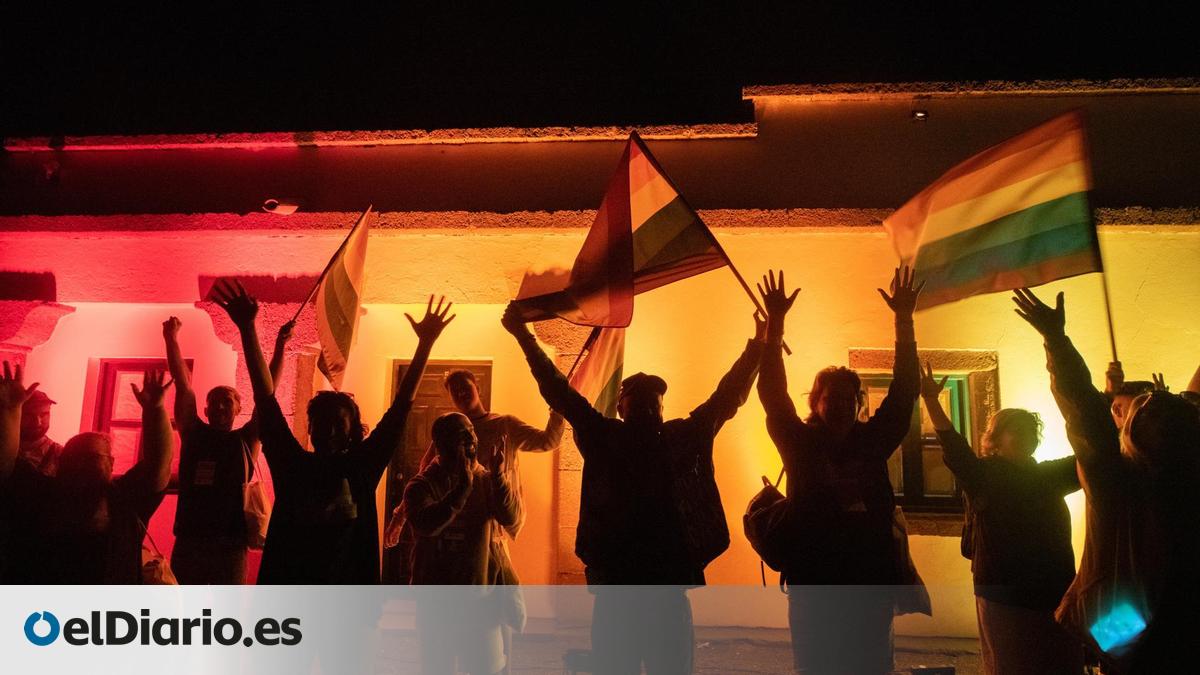
Fast forward to today, and Tefía’s transformation into a center of cultural and historical significance is underway. Recently, the building, now a youth hostel, was illuminated with the rainbow flag, coinciding with events celebrating the LGBTQ+ community. This symbolic act represents not only a recognition of past injustices but also a celebration of the progress made towards equality.
Moreover, initiatives like Tefía 2.0 aim to bridge the gap between past, present, and future, creating educational frameworks that empower a new generation of activists aged 18 to 25. With influential speakers and educators, these programs strive to weave the tapestry of LGBTQ+ history into the fabric of contemporary activism.
The Vision for the Future
Desireé Chacón, president of Altihay, emphasizes that the aim is to forge a museum space within the hostel, where visitors—especially younger generations—can learn about LGBTQ+ history. This is about more than remembrance; it’s about justice, advocacy, and the ongoing fight for rights that many take for granted today.
The envisioned museum would be a hub for education and scholarship, housing an archive dedicated to LGBTQ+ studies and a venue for exhibitions and conferences. This would not only serve as a resource for the public but also as a destination for historians and activists alike.
Cultural Resonance
Tefía’s story extends into the realm of popular culture, inspiring projects like the television series “Las noches de Tefía.” This multimedia representation serves to further humanize the experiences of those who suffered there, offering new perspectives through the lens of creative expression.
As noted by celebrated director Miguel del Arco, Tefía becomes a powerful metaphor for the wider societal conditions during Franco’s dictatorship—an era characterized by repression where individual freedoms were obliterated. It stands testament to the need for ongoing dialogue about the past’s impact on the present and the future.
A Call for Recognition
The journey to establish Tefía as a center for LGBTQ+ historical interpretation is intensifying, fueled by governmental support and community activism. Torres’ commitment to marking Tefía as a place of memory is a hopeful sign that the sacrifices of those who suffered will not be forgotten.
As activists continue to advocate for this recognition, there remains a resounding call to share the stories of those who endured injustice. The preservation of history is essential—not just to honor the past but also to ensure that future generations understand the struggles and achievements of the LGBTQ+ community.
In this ongoing effort, Tefía represents not only a reminder of the past but also a beacon of hope and resilience as society strives for inclusivity and equality. The ambitions for Tefía to serve as a cornerstone of LGBTQ+ memory echo the sentiment that history is vital, not merely for the sake of remembrance, but as a stepping stone toward a more just future.