Discovering the Depths of History: La Cueva de Villaverde
La Cueva de Villaverde stands as one of the most significant archaeological sites on the island of Fuerteventura. This cave, intricately tied to the ancient majos—indigenous inhabitants of the island—was occupied for nearly 800 years. The recent excavations initiated last year within the volcanic tube and surrounding areas have yielded substantial findings that promise to reshape our understanding of Fuerteventura’s aboriginal period.
A Treasure Trove of Historical Data
According to the Heritage Department, the excavations have revealed “datos de gran valor histórico” (data of great historical value) for this unique period. Preliminary results establish La Cueva de Villaverde as one of the most important archaeological sites in the Canary Islands. As investigations unfold, the implications of these findings echo throughout historical narratives.
The Discovery of Ancient Seeds
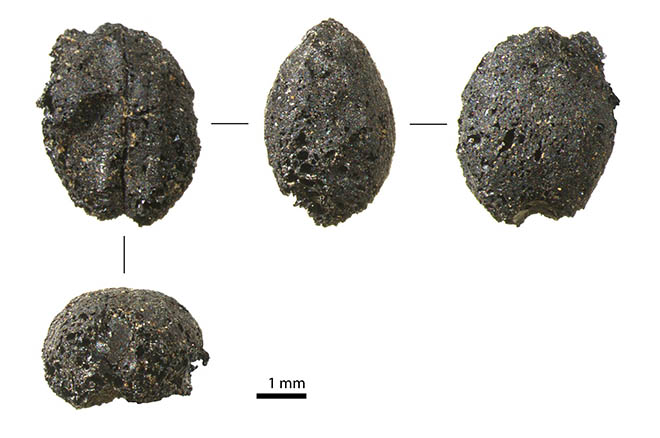
One of the standout discoveries from the latest excavation efforts includes a wealth of archaeological seeds of cultivated plants. These seeds—along with evidence of wild plant species—were vital to the dietary practices of the majos and served various uses, from alimentation to fuel. Archaeologist Rosa López, who is closely involved in the excavation, highlights that this systematic recovery of sediments is a groundbreaking step for Fuerteventura.
López explains, “This was possible for the first time in Fuerteventura due to a systematic recovery of excavated sediments, with cleaning performed using water to extract plant fossils from the site.” The meticulous effort has not only brought to light remnants of vegetation but has also posed significant questions about the livelihoods of the island’s early settlers.
Insights into Agricultural Practices
Jacob Morales, a professor at the University of Las Palmas de Gran Canaria, has been instrumental in identifying seeds from three cultivated species: barley, wheat, and lentils. Accompanying these seeds were stone mills, likely utilized in cooking these grains and producing gofio—a traditional Canarian flour.
To gauge the age of these seeds, direct dating via Carbon-14 analysis was conducted. Results indicated that the barley and wheat seeds date back approximately 1,300 and 1,600 years, respectively. These discoveries suggest that between the 5th and 8th centuries CE, Fuerteventura’s first inhabitants engaged in agricultural practices, significantly altering the historical narrative surrounding the majos.
Redefining Historical Narratives
Previously, it was believed that the majos subsisted primarily on milk and meat from goats and sheep, alongside fishing and shellfishing. Morales elaborates that these new findings significantly alter the understanding of pre-European lifestyle and economic practices on the island. The introduction of agriculture implies a radically different social organization and land ownership, leading to broader environmental impacts and agricultural cycles filled with activities such as plowing, sowing, fertilizing, harvesting, and storing.
The presence of barley, wheat, and lentils indicates a shared agricultural lineage among the early inhabitants of the Canary archipelago, suggesting that the majos were not isolated in their practices but rather part of a broader cultural context shared with other Canary Islands’ populations.
Theories on Agricultural Transition
The research team hypothesizes that the early inhabitants of Fuerteventura initially practiced agriculture and pastoralism. Over time, however, climatic changes or soil degradation may have led them to abandon the cultivation of grains and legumes, redirecting their focus towards domestic animals and resources sourced from fishing and shellfishing.
This shift could potentially explain why the majos were not known as agriculturalists when European explorers first encountered them. However, the team stresses the necessity for further studies to develop definitive conclusions regarding this intriguing transition.
A Look into the Past
As excavation efforts at La Cueva de Villaverde continue, the evolving narrative of Fuerteventura’s ancient inhabitants promises to unveil a rich tapestry of history. By peering into the depths of this volcanic cave, researchers are not merely uncovering archaeological artifacts but are reconstructing the lives and practices of the majos, offering a window into their dietary habits, economic activities, and societal structures.
With each layer unearthed, a greater understanding of the island’s past emerges, fundamentally transforming our comprehension of its original inhabitants and their place within the broader narrative of the Canary Islands.