The Epic Saga of Pájara Playas de Jandía
A Name that Resonates
The words “Pájara Playas de Jandía” evoke a wave of nostalgia for millennials, particularly those familiar with Spanish football’s lower leagues. This modest club, with its humble origins, holds a special place in the hearts of many who lived through the dynamic decade of the early 2000s. Pájara represented a vibrant echo of a simpler time, an era when football spoke to the community and brought local people together.
A Foundation Built for Resilience
Pájara was not merely an accident of history; it emerged at a crucial time, reminiscent of great teams in the annals of football. The club’s rise to Segunda B was not accompanied by fanfare, but it was nonetheless significant. A blend of ascension, community spirit, and regional pride fueled this grassroots endeavor.
In the late 1990s, when football on television became a weekend staple, Pájara caught the eyes and hearts of many. With limited distractions compared to today—no streaming services, smartphones, or social media—the allure of watching a local team face rivals from other regions became a cherished ritual.
The Unique Athletic Landscape
Nestled in the Canary Islands at the base of the Barranco de la Pared, the club’s home was the Benito Alonso Stadium. The synthetic pitch provided a unique ambiance, especially in an era when natural grass fields were standard. For many, it was a reminder that the essence of the game transcended the luxury of perfect playing surfaces.
Humble Origins
Pájara did not make a grand entrance into Segunda B. Its beginnings can be traced back to the summer of 1997, formed from the merger of several local clubs, including UD La Pared and CA Pájara. The unification reflected a community’s desperation to support local football, and their ambitions paid off when they ascended to Segunda B.
In those formative years, Pájara established itself without extravagant expenditures or major signings. Rather, it relied on solidarity among regional teams—players from various clubs united for a shared goal, defined not just by wins but by their passion for the sport.
A Journey Through Competition
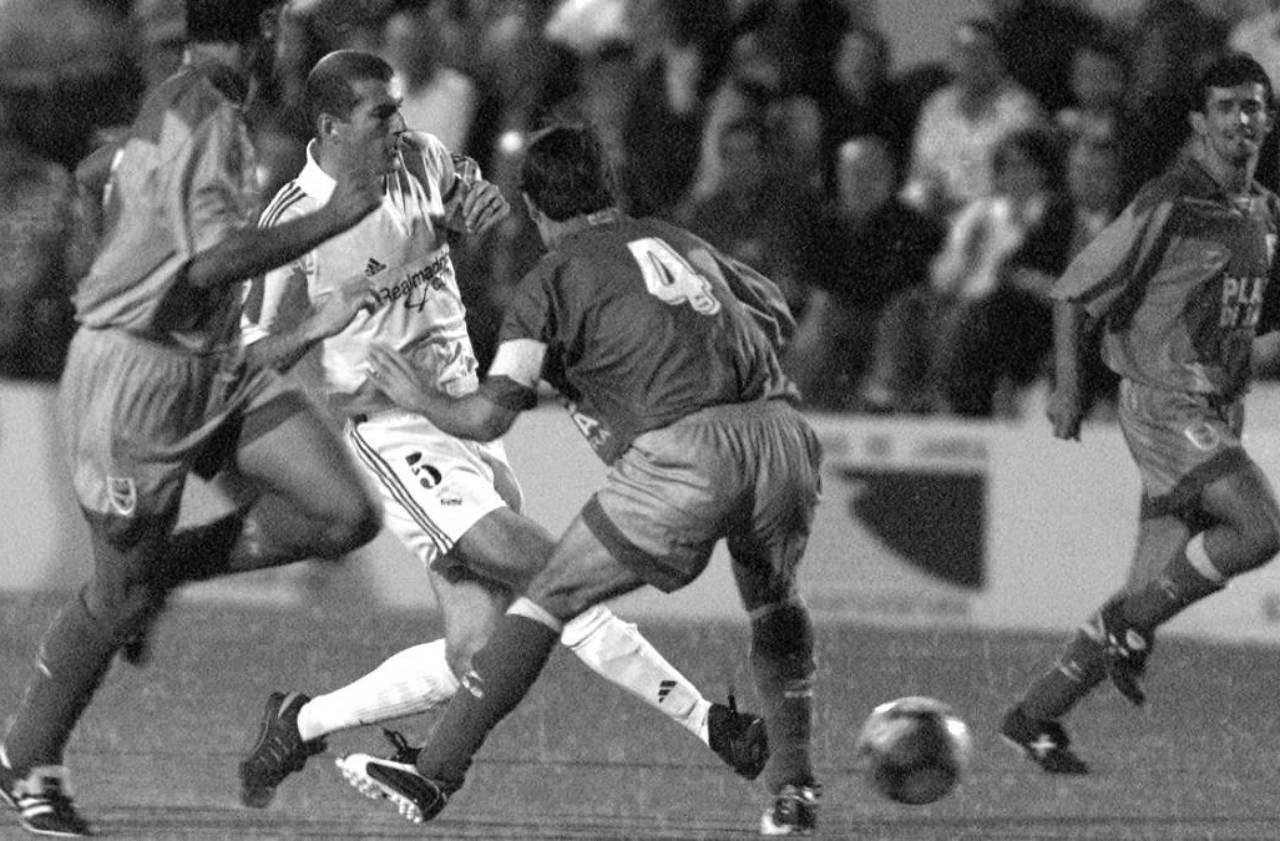
Pájara’s time in Segunda B saw them taking on established clubs, including Real Madrid. The 2001 Copa del Rey fixture against Los Merengues remains a highlight, forever etched in the lore of the club. The atmosphere during that match was electric, with fervent local support that not even the illustrious reputation of Madrid could overshadow.
That particular season was unusual: Pájara managed to fend off relegation, securing its place among the regional giants. The camaraderie among players, including many from Asturias who sought refuge in the sun, added to the mystique of the team.
An Era of Aspiration
By the early 2000s, Pájara began to achieve some remarkable results, including their noteworthy sixth-place finish the previous season, earning them entry into the Copa del Rey. The draw against Quintanar del Rey set the stage for a seemingly improbable journey. An underdog narrative was afoot, and with every match, the aspirations of the community swelled.
While many fans celebrated the improbable twists of fate, it served as a reminder of the trials they had faced throughout their journey. Their run in the Copa is part of a larger narrative that holds deep meaning within the local culture.
The Connection to Asturias
Asturias had a considerable influence on Pájara both on the field and in management. The club became a meeting point for talented players hailing from the north of Spain, leading to strong ties between Pájara and Asturias. Over time, these relationships enriched the club’s roster and inspired coaching staff to seek out players committed to a common cause.
Lingering Trials and The End of an Era
However, not all was smooth sailing. As the club enjoyed moments of triumph, it faced significant challenges. Economic difficulties plagued Pájara as the sports landscape evolved. By 2004, the burden of financial woes became evident. The squad was forced to take drastic measures, including a temporary strike, emphasizing the passion they had for the game and their desire for fair treatment.
Despite some dazzling performances on the pitch, struggles off it rendered sustainability increasingly difficult. The club’s clever strategy of recruiting Asturian players continued, forging a unique identity in the process. These teams became beacons of hope for other smaller clubs on the islands.
A Fond Farewell
Pájara Playas de Jandía officially closed its doors in 2011. Even as silence filled the stands, it left a legacy that transcended mere statistics. A narrative woven from dreams, persistence, and local pride emerged from this journey, showcasing what football represents at its core.
The ardent supporters, memories of spirited matches in the sun, and a sense of community remain vivid. Although the Pájara name may no longer dominate headlines, the spirit it evoked lives on, celebrating the small joys of local football that brought so much happiness to those who watched.
The Legacy of Community and Love for the Game
The story of Pájara embodies a critical chapter in the rich history of Spanish football, a testament to the values of teamwork and loyal support. Echoes of the past reflect a narrative that many small football clubs can relate to, offering hope and inspiration for future generations.
Today, even as new teams arise and adapt to modern challenges, Pájara will always be remembered for its unique charm, its indelible footprint in the Canarian landscape, and the friendships forged under a common love for the game.


