The Protection of Marine Wildlife: A Case of Poaching in Fuerteventura
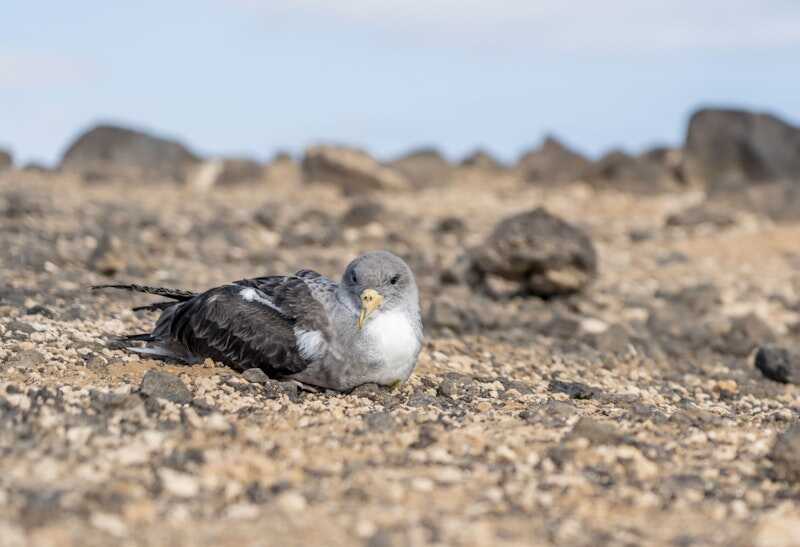
According to a statement from the Civil Guard, incidents reported date back to September when agents from the Maritime Detachment of Fuerteventura were on a coastal patrol in a protected area. Their mission: to monitor and safeguard wildlife, especially during a critical time when young Cory’s shearwaters (Calonectris borealis) are gaining weight before their first flight.
The Suspicious Lights
During their surveillance, the agents noticed unusual lights in a mountainous region between Junquillo Beach and Punta de Barlovento, located in Aguacabras (Pájara). Given the timing, they suspected possible poaching activities. This season is notable for the young birds, making them particularly vulnerable to illegal hunting.
The Bust
The agents decided to investigate further and identified two individuals approaching a vehicle carrying a sack made of raffia and a wooden stick with a hook. These tools are commonly used for extracting shearwater chicks from their nests. Upon inspecting the sack, agents discovered seven dead birds identified as Cory’s shearwaters. This species holds great importance in the ecosystem and is classified as vulnerable in both the Spanish Catalogue of Threatened Species and the Red Book of Birds in Spain.
Legal Ramifications
The Civil Guard emphasized the shearwater’s protected status under various laws. Notably, since 1981, hunting these birds has been prohibited in the Canary Islands under state regulations aimed at protecting wildlife. Legal implications following the incident were significant. The agents established a chain of custody for the deceased birds, which were subsequently handed over to environmental personnel from the Fuerteventura Cabildo. Further analysis by the Institute of Animal Health and Food Safety confirmed that the birds died from asphyxiation and cranial trauma.
As a result of the intervention, the Civil Guard initiated legal proceedings, believing the actions constituted a crime against flora and fauna as outlined in Article 334 of the Penal Code.
The Trial
The trial took place in late February in Puerto del Rosario. Each of the culprits was found guilty and penalized with fines exceeding €3,200. In addition, they were barred from hunting for a period of three years, reflecting the seriousness of wildlife protection laws.
The Shearwater’s Characteristics and Habitat
The Cory’s shearwater is a remarkable seabird that only comes ashore during its breeding season, establishing colonies in cliffs, islets, and islands. Their nests are typically found in caves or tunnels, making them particularly susceptible to poaching, which often targets their young.
The Civil Guard reiterated the ongoing risks faced by this species, stressing the vital ecological role that shearwaters play in marine ecosystems around the Canary Islands. Conservation efforts have been reinforced over the years, making it illegal to capture, possess, or trade these birds.
Legal Consequences of Poaching
The crime of poaching not only incurs hefty fines but can also lead to imprisonment ranging from six months to two years, along with suspensions from hunting or fishing activities. Additional penalties can arise from any harm caused to the natural environment, emphasizing the rigorous approach taken by authorities against wildlife-related crimes.
The Importance of Conservation
The Civil Guard has continually highlighted the necessity of protecting the Cory’s shearwater as part of the natural heritage of the archipelago. Their survival is not just a legal obligation but crucial for maintaining biodiversity. The advertising of such incidents serves as a reminder of the continued threats faced by wildlife and the need for collective efforts in conservation.
Through these measures, authorities aim to safeguard the ecological balance of the region while educating the public about the intrinsic value of their natural surroundings.