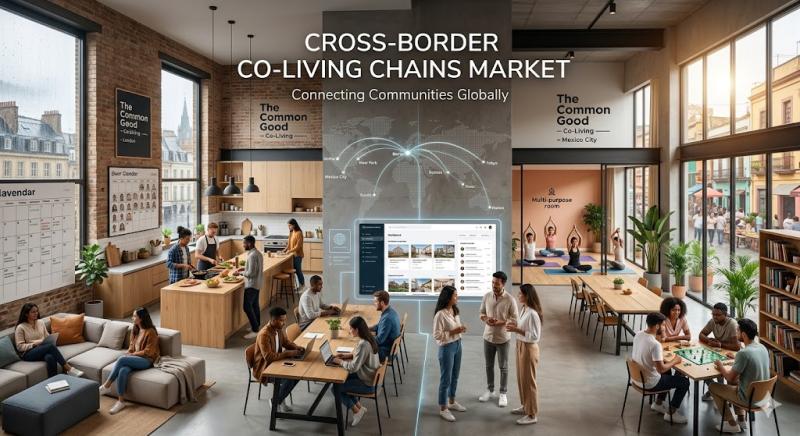
Exploring the Cross-Border Co-Living Chains Market: A New Era of Flexible Living
The concept of co-living has evolved significantly over the past few years, driven by globalization, urbanization, and the changing needs of modern residents. The Cross-Border Co-Living Chains Market is at the forefront of this transformation, offering innovative living solutions that cater to a diverse range of individuals, from digital nomads to expatriates and students. This article delves into the intricacies of this burgeoning market, highlighting its growth potential, key players, trends, challenges, and opportunities.
Understanding Cross-Border Co-Living
At its core, the Cross-Border Co-Living Chains Market encompasses a network of residential accommodations that provide flexible, community-oriented living spaces across multiple countries. These operators offer furnished housing, shared amenities, and lifestyle-focused services, making them particularly appealing to remote workers, expatriates, and students. The market is characterized by its emphasis on community engagement and the integration of technology, which enhances the living experience.
Market Overview and Projections
According to recent studies, the global Cross-Border Co-Living Chains market is projected to grow from USD 9.0 billion in 2026 to USD 1.9 billion by 2033, with a compound annual growth rate (CAGR) of 13.50%. This growth is fueled by increasing global workforce mobility and the rising demand for flexible accommodation solutions.
Key Players in the Market
Several major companies are leading the charge in the Cross-Border Co-Living Chains Market. Notable names include:
- WeWork
- Common
- The Collective
- Node
- Cohabs
- Roam
- Selina
- Outpost Club
- Zoku
- Quarters
- HubHaus
- Blueground
These companies are not only expanding their footprints but are also innovating their service offerings to meet the evolving needs of their clientele.
Market Segmentation
The Cross-Border Co-Living Chains Market can be segmented based on type and application:
By Type
- Co-Living
- Serviced Apartments
- Student Housing
- Short-Term Rentals
- Shared Accommodation
- Luxury Co-Living
- Modular Units
- Global Residences
By Application
- Urban Housing
- Student Housing
- Expat Housing
- Digital Nomads
- Hospitality
- Rentals
- Corporate Housing
- Community Living
This segmentation allows for a tailored approach to meet the specific needs of different demographics.
Emerging Trends
The Cross-Border Co-Living Chains Market is witnessing several key trends:
-
Technology Integration: Operators are increasingly adopting technology-enabled ecosystems, utilizing mobile applications, AI-driven tenant management systems, and integrated community engagement platforms.
-
Sustainability Focus: There is a growing emphasis on sustainable building operations, smart energy management, and wellness amenities, reflecting a shift towards environmentally conscious living.
-
Lifestyle Personalization: Residents are seeking personalized experiences that reflect local culture and community engagement, prompting operators to offer flexible membership plans.
Market Drivers
Several factors are driving the growth of the Cross-Border Co-Living Chains Market:
-
Global Workforce Mobility: The rise of remote work and international talent migration is creating a demand for flexible living arrangements.
-
Urbanization: Increasing urbanization and high rental costs in major cities are pushing individuals towards community-oriented living environments.
-
Changing Lifestyle Preferences: Millennials and Gen Z consumers are increasingly favoring co-living solutions that offer community and convenience.
Challenges Facing the Market
Despite its promising growth, the Cross-Border Co-Living Chains Market faces several challenges:
-
Regulatory Inconsistencies: Varying regulations and zoning restrictions across countries can complicate operations for multinational operators.
-
High Real Estate Costs: Rising acquisition costs and interest rates can impact profitability and operational feasibility.
-
Cultural Differences: Tailoring services to meet diverse consumer expectations while maintaining a global brand can be challenging.
Opportunities for Growth
The market is ripe with opportunities, particularly in emerging business hubs and university cities. Key opportunities include:
-
Enterprise Housing Partnerships: Collaborations with multinational corporations can create tailored housing solutions for employees.
-
Digital Membership Monetization: Operators can explore new revenue streams through digital memberships and value-added lifestyle services.
-
Mixed-Use Developments: Integrating co-living spaces with commercial and educational facilities can enhance community engagement and attract diverse residents.
Regional Insights
The Cross-Border Co-Living Chains Market is experiencing varied growth across regions:
-
North America: Currently the dominating region, driven by high demand for flexible living solutions.
-
Asia-Pacific: Recognized as the fastest-growing region, fueled by urbanization and a burgeoning population of digital nomads.
Conclusion
The Cross-Border Co-Living Chains Market is poised for significant growth as it adapts to the evolving needs of modern residents. With a focus on community, technology, and sustainability, this market offers a glimpse into the future of living arrangements that prioritize flexibility and connection. As companies continue to innovate and expand, the landscape of co-living will undoubtedly transform, creating new opportunities for both residents and investors alike.


