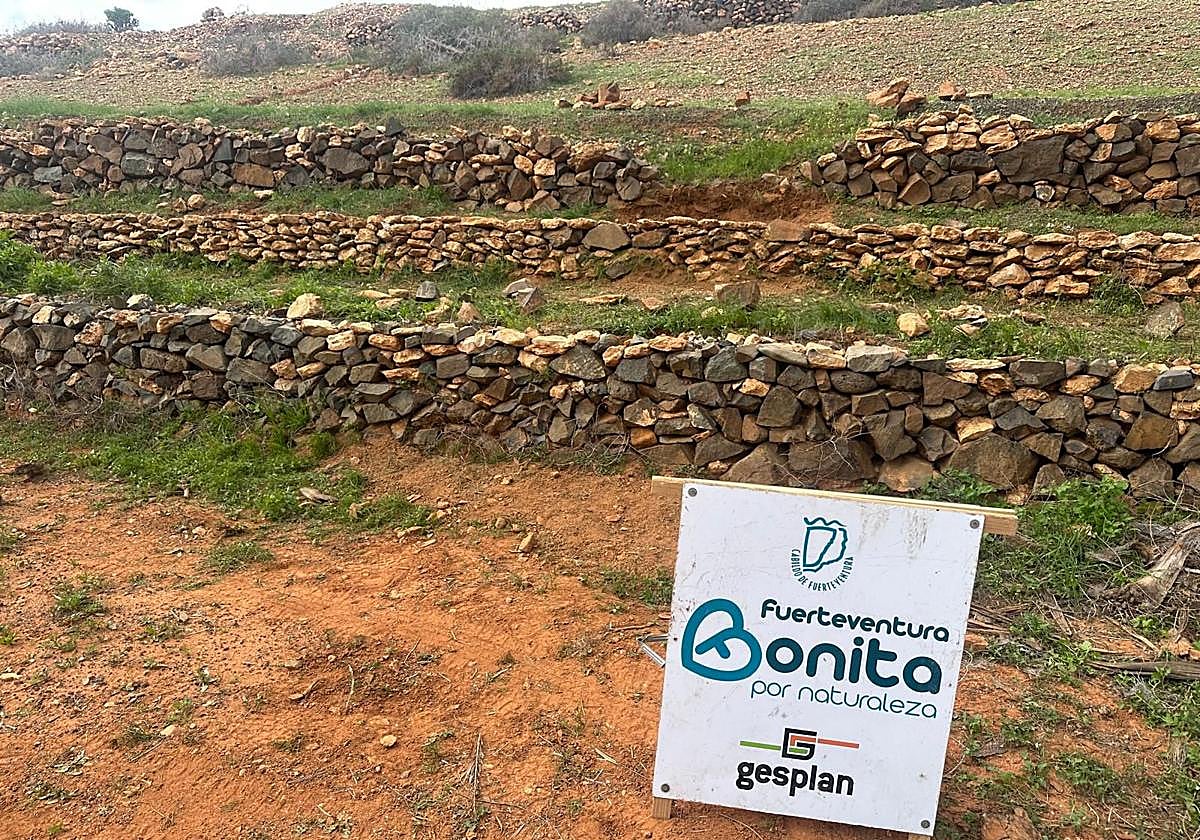
Restoration of Dry Stone Walls: A Commitment to Fuerteventura’s Natural Beauty
Nestled within the majestic landscapes of the Canary Islands, Fuerteventura is known not only for its stunning vistas but also for its rich agricultural heritage. As part of an ongoing initiative titled “Fuerteventura, bonita por naturaleza”, the Cabildo de Fuerteventura is making significant strides in preserving the island’s environmental and cultural legacy. The recent restoration of dry stone walls, particularly in the barranco de El Mudo and Agua de Bueyes, exemplifies this commitment.
The Importance of Dry Stone Walls
Dry stone walls are traditional structures built without any mortar, relying solely on the careful placement of stones to create sturdy boundaries and terraces. These walls are not just functional; they are part of the island’s cultural identity. Historically, they have been used to delineate property, protect crops, and manage water runoff. Their restoration not only enhances the landscape but also honors the craftsmanship of previous generations.
Coordination and Collaboration
A key aspect of the project is the collaboration between the Cabildo and local municipalities, particularly Antigua and Tuineje. This partnership enables the effective deployment of technical resources and skilled labor. By working together, they ensure that the restoration efforts align with local needs and respect the community’s agricultural traditions.
Specialized Teams at Work
The squarely trained crews under the “Fuerteventura, bonita por naturaleza” program are dedicated to reviving these vital structures. Their work involves both the restoration of existing dry stone walls and the clearing and rehabilitation of gavias—terraced fields essential for cultivation. This not only brings life back to the landscape but also supports sustainable farming practices that have sustained Fuerteventura’s communities for generations.
Maintaining Tradition through Local Materials
One of the notable features of the restoration process is the use of local stone from the area. Employing the same materials that the original builders used ensures that the restored walls harmonize with the natural surroundings. This approach honors the architectural style and integrity of the region while promoting a sense of continuity with the past.
A Long-Term Vision
The restoration endeavors in El Mudo and Agua de Bueyes are part of a larger vision for the island. Besides preserving its natural beauty, these projects aim to educate locals and visitors about Fuerteventura’s agricultural heritage. By maintaining these structures, the Cabildo not only protects the physical landscape but also fosters a deeper appreciation for the island’s history and traditions.
Final Thoughts on Cultural Preservation
The efforts underway in Fuerteventura reflect a broader understanding of the importance of combining modern techniques with traditional practices. By focusing on sustainability and community engagement, the Cabildo de Fuerteventura, along with local municipalities, is paving the way for a more resilient future for the island. The work being done on dry stone walls today will undoubtedly benefit future generations, providing them with both functional agricultural support and a living connection to their heritage.