Revitalizing the RIU Palace Tres Islas: A Complex Balancing Act
Introduction to the RIU Palace Tres Islas Project
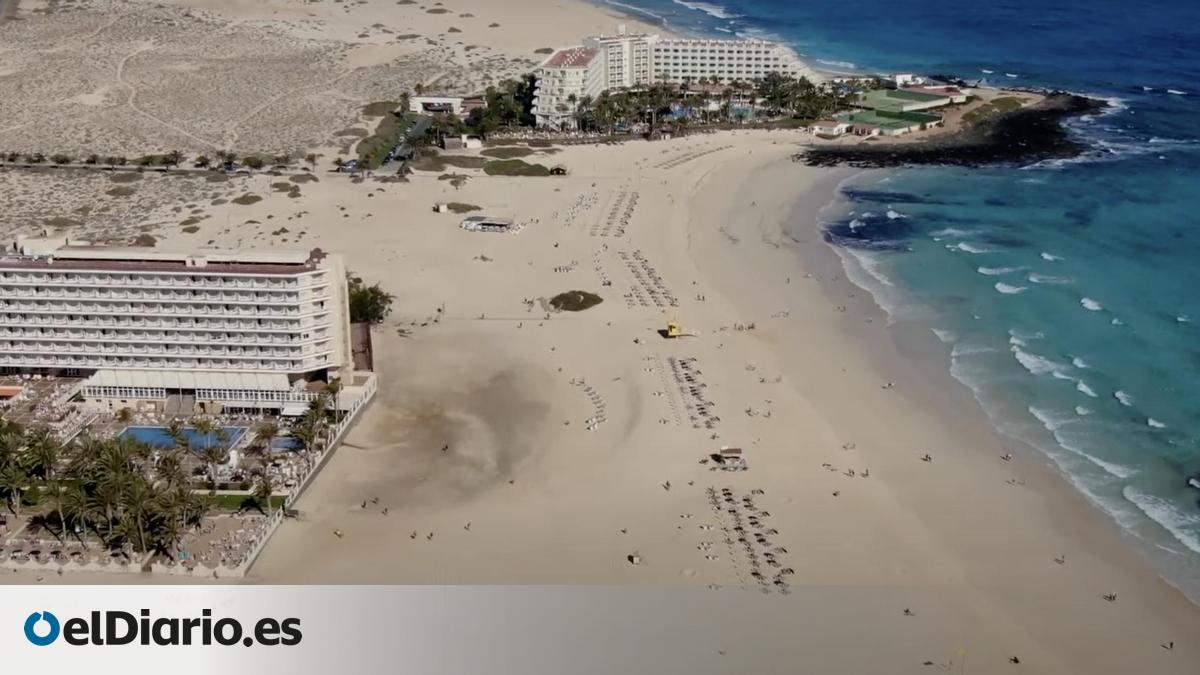
The Balearic hotel chain RIU has unveiled ambitious plans for the renovation and modernization of the Hotel RIU Palace Tres Islas, located amid the stunning Dunas de Corralejo on the island of Fuerteventura. This initiative, recently submitted to the environmental authority of the Cabildo of Fuerteventura, seeks to address the structural degradation of the hotel, primarily due to its exposure to marine spray. The project aims to create six new guest rooms while transforming the hotel into a model of sustainability. However, this endeavor isn’t free of controversy, particularly given its location within a protected natural park.
Concerns from Environmental Groups
Environmental organizations, including Turcón and Ben Magec, have raised their voices against the proposed modernization project. In their criticisms, they emphasize that the renovations conflict with the protection of the coastal public domain and the high ecological value of the surroundings. Their statements underscore a broader concern that the plans are inconsistent with principles of sustainable environmental stewardship, potentially undermining public interest.
Key Modernization Plans
According to the modernization project’s documentation, the intervention is structured around four main axes:
- Energy Efficiency: Upgrading the air conditioning system to enhance energy efficiency.
- Structural Safety: Addressing the degradation caused by the environment and the building’s age.
- Accessibility and Functionality: Updating functional aspects to improve guest accessibility.
- Sustainability: Incorporating technologies aimed at water conservation and efficient resource use.
The initiative is designed to incorporate over 20 specific actions, ranging from the addition of six new guest rooms on the sixth floor to extensive renovations of the lobby, fitness areas, outdoor solariums, and pools. Importantly, RIU asserts that these renovations will primarily focus on existing structures, aiming to revitalize the hotel’s interior without exceeding its current footprint.
Intersecting with Natural Protection Areas
RIU’s environmental documentation also delves deeply into the impact of renovations on the natural spaces surrounding the hotel, which are part of the Natura 2000 network. Specifically, the project affects a 30,438-square-meter plot that intersects with several conservation zones, including the Corralejo Special Conservation Area and the Lobos Island Special Protection Area for Birds.
The area is home to several bird species, including the endangered Cory’s shearwater and the Bulwer’s petrel. Additionally, the seagrass beds that flourish in the vicinity are protected and vital to the local ecosystem. RIU’s report claims that the renovation work will not significantly impact these protected habitats, characterizing any potential negative effects as temporary and minimal.
Commitment to Hotel Service Improvement
RIU emphasizes that the renovation is not only a matter of safety and sustainability but also aims to enhance hotel services. The property has reportedly suffered from “critical technical and energy obsolescence,” requiring urgent updates and repairs. By choosing to temporarily close during renovations, RIU seeks to expedite the modernization process, ensuring a comprehensive upgrade of the hotel.
Environmental Advocacy and Legal Actions
Turcón and Ben Magec continue to advocate for strict adherence to legal standards, urging the government to take decisive action in defense of public resources. They are calling for the effective demolition of the Oliva Beach Hotel while pushing for the cancellation of the Tres Islas Hotel’s concessions.
Their documentation asserts that these hotels serve as poor examples of responsible tourism, encroaching on valuable environmental assets. Both organizations contend that the application for concessions and the ongoing activity of these hotels have jeopardized public access to natural resources.
Existing Challenges and Historical Context
The RIU Palace Tres Islas can be traced back to a series of legal challenges surrounding its operations. In 2007, a concession allowed the hotel to occupy public domain areas until 2037, conditioned on not altering the building’s height or footprint. However, violations of these conditions led to sanctions and an ongoing struggle over the hotel’s legal standing, culminating in renewed efforts to declare its concession void.
Recent inspections have revealed ongoing unlawful expansions, prompting renewed administrative actions by the Coastal Authorities. In 2021, penalties were imposed, but despite this, issues remained unaddressed, leading to further investigations in 2023.
Focus on Coastal Conservation
Both the local government and environmental groups grapple with the delicate balance between economic development and environmental protection. Calls for transparency and accountability are increasingly prominent, as stakeholders seek to ensure that any future tourism developments reflect genuine environmental sustainability rather than merely cosmetic adjustments.
The situation surrounding the RIU Palace Tres Islas encapsulates a broader discourse about the role of the tourism industry in natural conservation areas, highlighting the critical interplay between commercial interests and environmental advocacy.