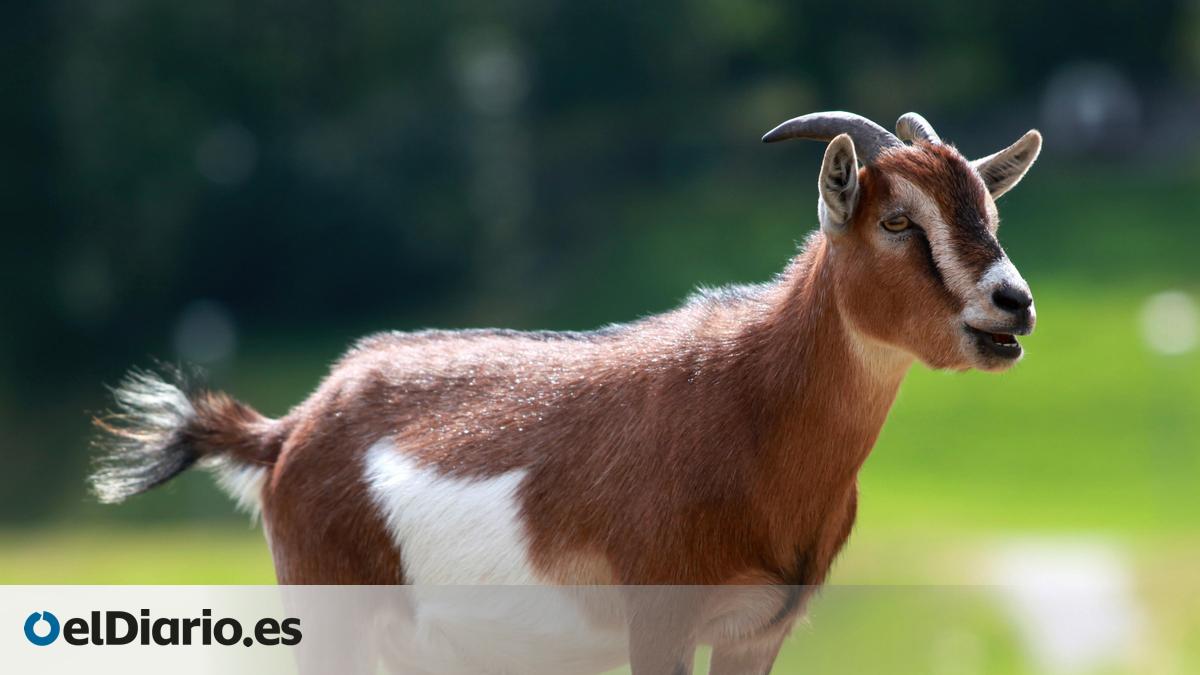
An Inspiring Journey Through Farming: The Story of Maximino Robayna Torres
Maximino Robayna Torres, at 84 years old, embodies the resilience and dedication that characterize traditional farming in the Canary Islands. Nestled in the breathtaking landscape of Valle Cerezo, he carries on a family legacy that has persisted through generations. Observing Grano de Oro from his agricultural exploit, Maximino recalls his upbringing and early experiences in farming that laid the foundation for his enduring career.
Early Beginnings
Growing up in Betancuria, Maximino was immersed in the world of livestock from a young age. With no nearby school, he often journeyed ten kilometers on foot to reach Betancuria’s schoolhouse. “I remember it as if it were yesterday,” he says, although he humorously notes the absence of watches during those times made it hard to track how long the trek took. His father, a prominent livestock farmer, greatly influenced his life, leaving him with a significant herd of around 400 goats when he was still a boy.
This early initiation into farming cemented his path when he married and established his own operation in Valle Cerezo with a modest herd of about 300 goats. Today, nearly sixty years later, he finds himself at the forefront of a new chapter in his life—his farm is now one of the six newly legalized by the Government of the Canary Islands.
A Legacy of Livestock Farming
Maximino often reflects on the richness of the lands that have nurtured generations of his family. His lineage traces back over a century, with his grandfather and father before him owning the livestock that now belongs to him. “There were so many plants that you could hardly see the animals,” he reminisces about times when the landscape was lush and verdant.
The contrast to today’s barren landscape, where droughts have increasingly plagued the region, weighs heavily on him. “Nothing grows now,” he laments. But despite the challenges of weather and changing agricultural practices, Maximino has unwaveringly dedicated himself to his goats and sheep.
Navigating Change and Challenges
His journey has not come without struggles. After years of battling against harsh conditions that have devastated both land and livestock, Maximino faced regulatory hurdles while attempting to legalize his farm. “If I told you how long it took, I could write a book. Each year, an engineer asked for something different. The rules kept changing,” he explains, reflecting on the complicated path towards compliance with new health and environmental regulations.
Today, his biostable stands at about 150 goats and 200 sheep, a marked reduction from the once-thriving herd of 1,500 due to personal hardships, particularly his wife’s illness. Yet, he takes comfort in the thriving goat farm managed by his daughter Margot, who embraced modernization with effective planning and proper permits.
Daily Life and Farming Philosophy
Maximino’s unwavering commitment to his work is evident in his early rising schedule. “I’m up at four in the morning, and I’ve gotten used to it. There’s no other way,” he states with a twinkle in his eye, sharing that he even maintains lights on before dawn to prepare for the day’s tasks. The tranquility of Valle Cerezo is only matched by his fond memories of fields once filled with peas, chickpeas, and wheat.
He candidly discusses how modern challenges have transformed livestock farming. “There’s a succession of bad years, and it doesn’t rain,” he laments. Times have changed; more vehicles clutter the roads, and the methods for maintaining livestock have improved drastically. Gone are the days of relying on donkeys and camels; now, every household often boasts multiple cars.
Despite the technological advancements, Maximino feels a pang for simpler times. The way livestock is raised and how farmers respond to the land’s struggles reflects both an adaptation to new realities and a nostalgia for a vanished era.
Expertise in Meat Quality
For nearly fifty years, Maximino has provided his expertise on meat cuts at the market in Puerto del Rosario, earning him a loyal clientele. His wealth of knowledge about the best meats for various dishes—like the optimal goat for frying versus roasting—is a hallmark of his experience.
“Customers often shy away from goat meat for their stews, which is a shame; it’s the best for soups!” he shares, revealing the nuances of traditional preparation methods that have presumably fallen out of practice in modern kitchens.
Despite many changes over the years, he refuses to retire. “I won’t stop because I don’t know how to do anything else. I’m not the type for dominoes or card games; I’m a man of my work,” he affirms, a testament to his enduring passion for farming and commitment to his community.
A Pillar of the Community
Influencing many generations of aspiring farmers, Maximino Robayna Torres stands as a beacon of resilience and tradition in Fuerteventura. His life’s work reflects the rich agricultural heritage of the Canary Islands and the unwavering spirit of those who tend to the land, weathering all storms that life and nature throw their way.