The Battle for Fuerteventura’s Landscape: A Community’s Quest Against Wind Turbines
In a scenario reminiscent of Don Quijote, who famously battled windmills believed to be giants in Campo de Criptana, residents of Fuerteventura are waging their own fight. This time, it’s not against imaginary foes but a very tangible threat to their island’s landscape and biodiversity. A growing number of locals are banding together, determined to protect the breathtaking scenery of Fuerteventura while still advocating for renewable energy sources.
Energy Dependency and Environmental Impact
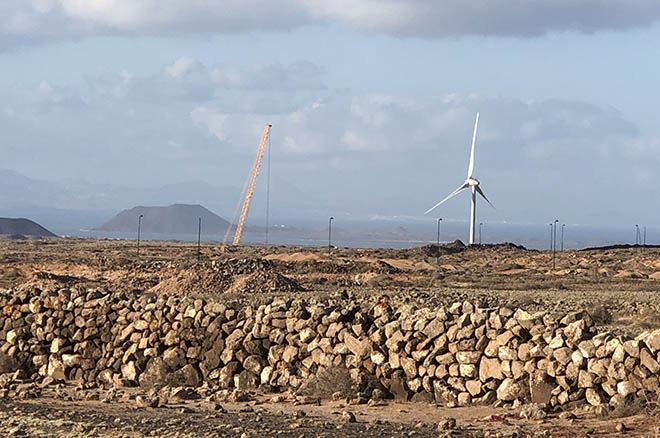
Fuerteventura faces a complex challenge: its energy supply largely relies on fossil fuels, with the controversial power plant in the capital’s El Charco neighborhood exemplifying this dilemma. While the island aspires to adopt renewable energy, the planning has unfortunately fallen short. No proper zoning has been established to guide the placement of wind or solar installations, leading to a scattershot approach that sees approximately 60 wind turbines planned across pristine rural areas. This construction threatens not only the landscape but also local birdlife.
A Growing Community Movement
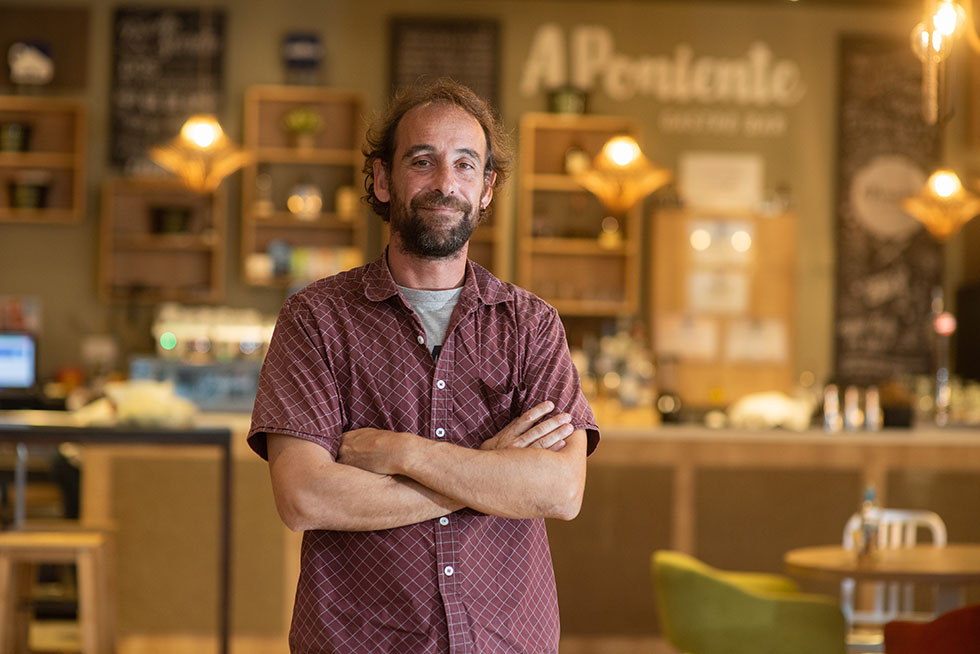
Amidst this backdrop, a movement has emerged among concerned citizens advocating for proper planning and consideration of ecological impacts. The platform SOS Landscape and Biodiversity of Fuerteventura has attracted not only affected residents but also ornithologists, green tourism advocates, and various associations, notably Fuerteventura Sostenible. Led by engineer Yurena Marichal, this group aims to confront the monopolistic practices of energy giants.
Marichal asserts the need for a comprehensive energy planning strategy, emphasizing that the wind parks are remnants of outdated arrangements laid down by energy oligopolies. Companies like Gas Natural Fenosa and Iberdrola have deep financial interests in Fuerteventura, often prioritizing profit over ecological welfare.
Delayed Climate Initiatives
According to Marichal, the European Union’s climate subsidies—expected to alleviate energy-related climate change impacts—have been slow to reach the Canary Islands. Despite initiatives such as the “20, 20, 20” program aimed at cutting CO2 emissions, increasing renewable energy usage, and improving energy efficiency, the islands lag behind, boasting less than 15% in these categories.
The recent surge in wind farm proposals appears to be a race driven by potential profits, as companies see a lucrative return on their investments thanks to EU subsidies covering up to 70% of costs.
Transparency and Community Concerns
Critical voices have emerged, framing procedures surrounding the approval of new projects as opaque. Residents often learn of impending land expropriations with little warning, leading to not only an emotional toll but also a feeling of disenfranchisement. For instance, Leahn Stanhope, who purchased her home eight years ago, recently discovered that a towering 156-meter wind turbine will be constructed just 360 meters away—a situation many argue contravenes legal distance regulations.
Diverse Responses from the Community
The responses to the burgeoning wind developments vary considerably among residents. Some families have found themselves unexpectedly confronted with wind farms near their lands, leading to substantial emotional distress and prompting calls for legal counsel. Meanwhile, wealthier families are exploring opportunities to install their wind turbines, even in ecologically valuable areas.
Communities in places like La Calabaza in Tuineje have similarly encountered shocking revelations about energy evacuation lines crossing their properties without prior notification, leaving them grappling with potential land loss while advocating for more transparency and accountability.
Biodiversity at Risk
Beyond immediate visual impacts, experts warn that the proposed wind parks pose severe risks to local bird populations, particularly endangered species. The Fuerteventura Renovables II project, for instance, is situated perilously close to critical habitats for the guirre and the avutarda-hubara. The governmental decision to bypass environmental assessments for some projects raises even more alarms among ecologists and activists, leading to fears that hard-won conservation achievements could be undone.
The Call for Responsible Planning
The community continues to press for responsible energy planning. Critics argue that many environmental studies conducted prior to project approvals have been inadequate. Claims of insufficient field research and reliance on outdated biodiversity data only compound the issue, with long-term environmental implications hanging in the balance.
Concerns remain that without thorough assessments and responsible planning, Fuerteventura’s unique landscape—valued as a key tourist asset—may suffer irreparably.
Residents and activists alike express a shared belief in the vital need for sustainable energy solutions that do not compromise the island’s natural heritage. As discussions continue, the call for a measured approach that balances ecological preservation with the necessity of renewable energy is clearer than ever.