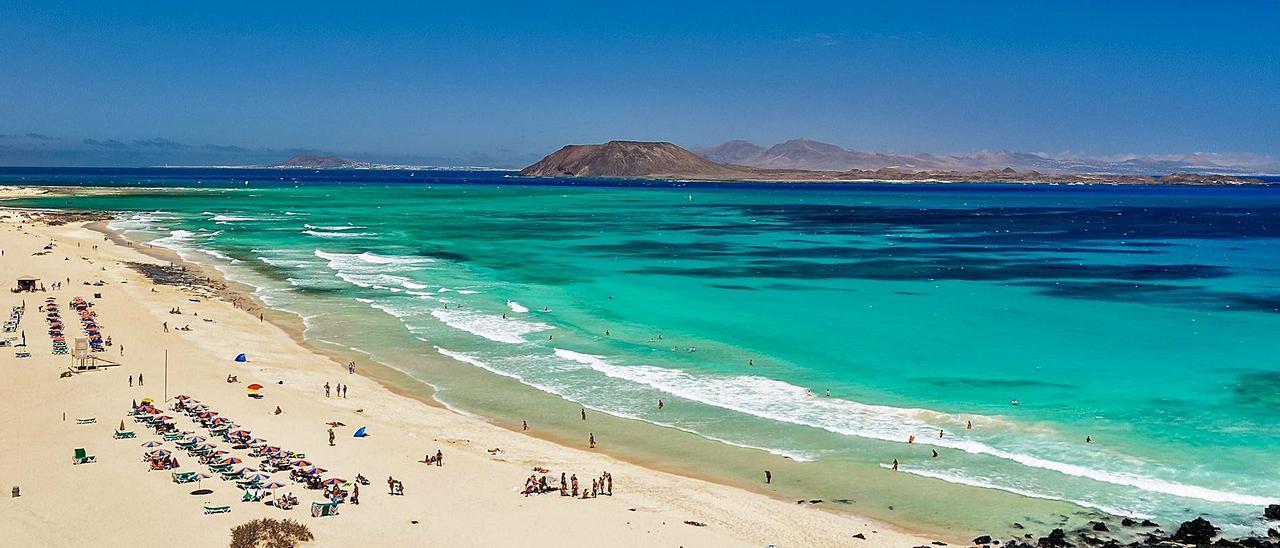
A Comparative Study of Ibiza, Menorca, Lanzarote, and Fuerteventura: Balancing Tourism and Environmental Sustainability
A recent comparative study has drawn attention to the varying dynamics of tourism, environmental pressures, and social inequalities across the Balearic Islands and the Canary Islands. The report, jointly published by multiple institutions, reveals that while Lanzarote and Fuerteventura—symbols of sustainable tourism—are gaining traction in terms of population density and environmental issues, Ibiza continues to stand out for its overwhelming human pressure and urbanization.
Pressures of Population Density
Among the four islands, Ibiza emerges as the most densely populated area, with approximately 414 inhabitants per square kilometer. This contrasts sharply with Lanzarote (243), Menorca (189), and Fuerteventura (95.4). This growing density showcases not only a vibrant tourism scene but also raises concerns about the sustainability and liveability of the island.
The airports further accentuate this issue, with Ibiza’s airport seeing around 8.1 million passengers in 2019 alone, topping the charts against Lanzarote (7.2 million), Fuerteventura (5.6 million), and Menorca (3.4 million). Such figures reflect Ibiza’s status as a tourism heavyweight but also highlight the inevitable strains on infrastructure and resources.
Economic Structures: The Role of Services
The economic backbone of these islands is similarly dominated by the services sector, with about 80% of businesses in Ibiza reporting involvement in this area. Menorca trails with 74%, while Lanzarote (87%) and Fuerteventura (84%) surpass it. This reliance on tourism raises questions about economic diversification, especially in light of the seasonal nature of the job market. Interestingly, despite the year-round tourism in the Canary Islands, temporary contracts are more prevalent there compared to Ibiza and Menorca, revealing nuanced economic challenges across these regions.
Social Inequalities and Crime Rates
A particularly alarming statistic is that Ibiza is the only island where social inequality is on the rise. The Gini index, which measures income distribution, shows Ibiza increasing from 32.2 in 2015 to 33.6 in 2017. In comparison, Menorca’s index stands at 29.4, while both Lanzarote and Fuerteventura hover around 31. This rise in inequality correlates with a growing crime rate on the island, which recorded 88.7 crimes per 1,000 inhabitants in 2019—the highest of the four islands.
Violent crimes, including those against women, have become areas of concern, highlighting the darker side of an otherwise glamorous tourism-driven economy.
Environmental Concerns: The Fragile Balance
Environmental sustainability is another area where Ibiza lags significantly behind its counterparts. The report finds that Ibiza has only 18.2% of its land designated as protected, far less than Menorca’s 39.4%, Lanzarote’s 51.8%, and Fuerteventura’s 44.1%. Moreover, Ibiza’s bathing waters have seen a notable decrease in quality, with only 78% of water samples rated as ‘excellent’ in 2019—down from 95% in 2011. This deterioration, juxtaposed against the pristine records of Lanzarote and Fuerteventura, raises urgent questions about the island’s environmental management strategies.
The study notes a worrying trend in energy generation as well, with Ibiza generating zero kilowatts of renewable energy compared to over 40,000 kilowatts in Fuerteventura. This lack of renewable initiatives suggests a continued reliance on traditional energy sources, contributing to environmental degradation.
Waste Management Challenges
Ibiza’s waste generation poses another significant issue. The island produced 142,700 tons of waste in 2019, surpassing Lanzarote’s figures despite its larger population. While other islands have made strides in selective waste collection, Ibiza’s need for more robust recycling initiatives becomes painfully evident.
Public Services and Transportation Gaps
Another disconcerting aspect is the lack of data for essential public services in Ibiza, particularly the number of hospital beds and users of public transportation. While between 22% and 35% of residents in the other islands rely on public transport, the absence of this information for Ibiza leaves a gap in understanding its public service landscape, further compounding the island’s challenges.
Governance and Institutional Presence
Notably, the recent press conference revealing these findings saw no representation from the Ibiza Council, further highlighting a concerning disconnect between the island’s governance and its socio-environmental realities. Such absence could signal either lack of awareness or unwillingness to confront the pressing issues faced by the island.
A Snapshot of the Future
As tourism continues to flourish, the pressing environmental, social, and economic challenges faced by Ibiza demand collective attention and action. While tourism has undeniably enriched these islands, ensuring sustainable development that preserves their unique charm and fosters equitable living conditions remains a crucial task. The need for informed policies and integrated approaches is more important than ever to safeguard the future of these beautiful locales, particularly Ibiza.


