Discovering El Morro del Humilladero: Fuerteventura’s Archaelogical Treasure
A New Chapter for Archaeological Tourism
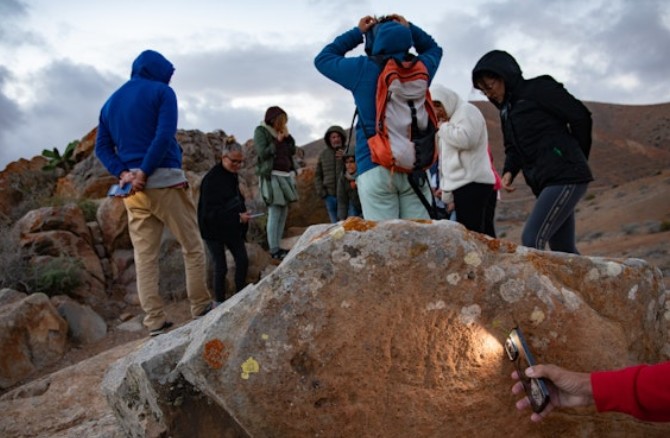
The picturesque island of Fuerteventura is set to unveil one of its hidden gems, the archaeological site known as El Morro del Humilladero, located in the historical town of Betancuria. Recently, Lola García, the president of the Cabildo de Fuerteventura, alongside Culture Councillor Rayco León, announced plans to enhance the site, making it accessible for visitors. This initiative underscores a broader commitment to elevating the island’s rich cultural heritage, which boasts nearly a thousand archaeological sites.
Celebrating with the Community
The announcement came during a visit to the Archaeological Museum of Fuerteventura, coinciding with International Museum Day celebrations. García and León participated in a live broadcast of “La Voz de Fuerteventura” from the historical villa, emphasizing their determination to promote the island’s archaeological legacy. “There’s a lot to discover here, and we want everyone to be able to appreciate it,” León stated, heralding the site as a gateway to understanding Fuerteventura’s past.
Enhancing Visitor Experience
From next week, El Morro del Humilladero will be open to the public, with the introduction of informative panels and basic signage designed to protect the site while enhancing visitor comprehension. These resources will provide insights into the island’s earliest inhabitants, known as the mahos, who left behind a remarkable legacy. León remarked, “Visitors will be able to see small pieces of information that highlight the lives of the first people who inhabited Fuerteventura.”
Balancing Protection with Popularity
As more hiking enthusiasts flock to Fuerteventura’s natural landscapes, the challenge lies in balancing preservation with visitation. García emphasized the need for responsible tourism, saying, “We know that more people are interested in hiking on the island, and when they approach an archaeological site, we want them to be informed. It’s essential that they understand where to walk to avoid causing any damage.”
The Cultural Significance of Podomorfos
El Morro del Humilladero is distinguished for its podomorphs—ancient rock engravings representing human footprints left by the mahos. These engravings are not just artistic expressions; they hold immense cultural and scientific value, providing critical clues about the lives and movements of ancient inhabitants. Such features make the site a fascinating point of interest for both locals and tourists, enriching their understanding of Fuerteventura’s history.
A Vision for Heritage as Economic Driver
The opening of El Morro del Humilladero forms part of a comprehensive strategy to leverage cultural heritage as a significant tourist attraction. León asserted, “Heritage is what generates wealth. It may sometimes seem that protecting buildings, spaces, or landscapes is at odds with development, but the opposite is true. We must place value on our heritage.” This vision highlights the potential of historical sites to foster economic growth while respecting the island’s cultural narrative.
The Role of the Archaeological Museum
The Archaeological Museum of Fuerteventura, approaching its fifth anniversary in 2025, plays a pivotal role as a cultural engine on the island. León emphasized its importance, stating that it is more than just an exhibition space. The museum upholds an essential duty in conservation, research, and public outreach, serving as a custodian of the island’s archaeological wealth.
A Rich Repository of History
Currently, the museum is home to a staggering collection of archaeological finds, with nearly 20,000 registered pieces. García highlighted the ongoing efforts to classify, conserve, and document these artifacts to ensure that they tell the story of the island’s past for generations to come. This commitment to preservation is vital to maintaining Fuerteventura’s cultural identity and educating future visitors about its historical significance.
In sum, Fuerteventura is on the cusp of a new era in archaeological tourism, where the past meets the present through thoughtful preservation and community engagement. The opening of El Morro del Humilladero not only invites visitors to connect with the island’s history but also serves as a testament to the transformative power of heritage in fostering economic and cultural vitality.