Creating a Sustainable Future for Fuerteventura’s Natural Spaces
Fuerteventura, one of the picturesque Canary Islands, is known for its pristine beaches, unique landscapes, and rich biodiversity. The natural treasures like Isla de Lobos, the Jandía Natural Park, and the Corralejo Dunes stand as vital components of the island’s identity and ecological health. In recent discussions, the Grupo Popular within the Cabildo (the local government) is taking steps to ensure these natural areas are preserved for generations to come.
Advocating for a New Fiscal Ordinance
At the upcoming plenary session of the Cabildo, the Grupo Popular plans to present a motion aimed at establishing a fiscal ordinance that would regulate a future tax on the use and conservation of these protected natural spaces. This initiative is designed with a dual purpose: to secure funding for environmental conservation and to ensure local residents are not financially burdened by additional costs to access these treasured areas.
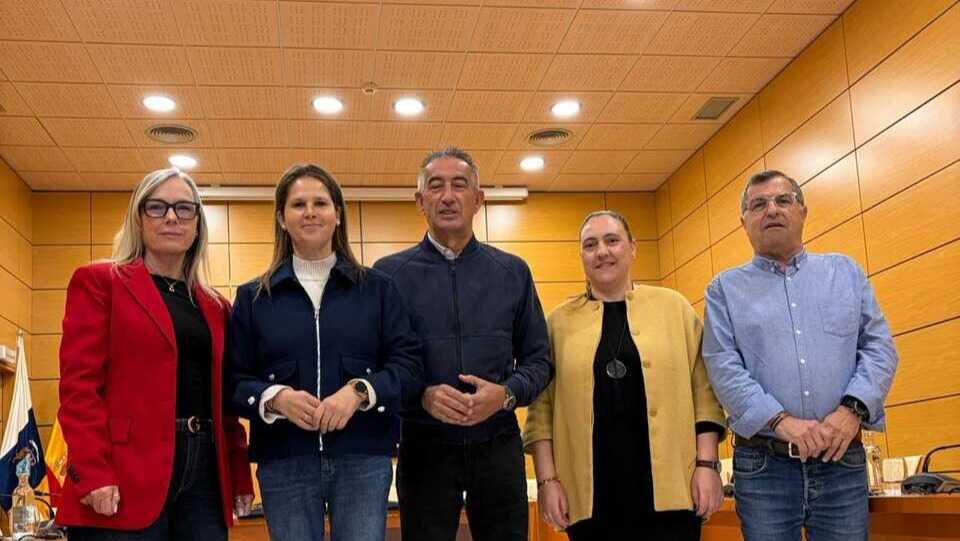
Claudio Gutiérrez, the spokesperson for the Partido Popular in the Cabildo, emphasized that the aim is to safeguard the island’s natural heritage without imposing financial barriers on its residents. “Locals shouldn’t feel like tourists in their own land,” he stated. Gutiérrez argues that residents already contribute to the island’s well-being and should have free access to spaces synonymous with their cultural identity.
The Context of the Environmental Tax
This proposal arises amid ongoing discussions about potential environmental taxes designed to fund conservation efforts. The idea surfaced earlier this year when Lola García, the president of the Cabildo, hinted at introducing such a tax specifically for accessing Isla de Lobos during the summer of 2026. However, Gutiérrez and his party members assert that concrete details, including the necessary legal framework and economic impact assessments, have yet to be publicly shared.
Gutiérrez believes it is crucial for the focus to remain on how to implement this tax in a manner that balances fiscal responsibility with the equitable treatment of residents and visitors alike. The discussion must prioritize how conservational funding will be managed with transparency, he insists.
Proposed Allocation of Funds
The proposed motion goes beyond just creating a new tax; it also specifies that all revenues generated should be earmarked solely for environmental conservation initiatives. These funds would be intended for various ecological projects, which may include habitat restoration, visitor monitoring, and the enhancement of public access infrastructures.
Moreover, the aim includes promoting sustainable mobility options within these natural spaces and reinforcing the protective measures surrounding them. This strategic allocation of funds underscores the Grupo Popular’s commitment to aligning fiscal policies with meaningful environmental stewardship.
Audience Engagement in Decision-Making
In a bid to foster broad community involvement, the Grupo Popular also requests that the new ordinance be made subject to public participation. This would allow for input from local governments, citizen groups, business organizations, and environmental advocates. Encouraging diverse perspectives is seen as vital to crafting a policy that is fair and effective in protecting Fuerteventura’s unique ecosystems.
Gutiérrez believes that developing a transparent, legally sound environmental tax is essential. He asserts that if the Cabildo views this initiative as necessary, it must pursue it with thoroughness and clarity, ensuring that all stakeholders understand the proposed measures and their implications.
Through these steps, the Grupo Popular emphasizes the need for a balanced approach to both environmental conservation and community rights, aiming to set a precedent for responsible resource management while prioritizing the preservation of Fuerteventura’s rich natural identity.