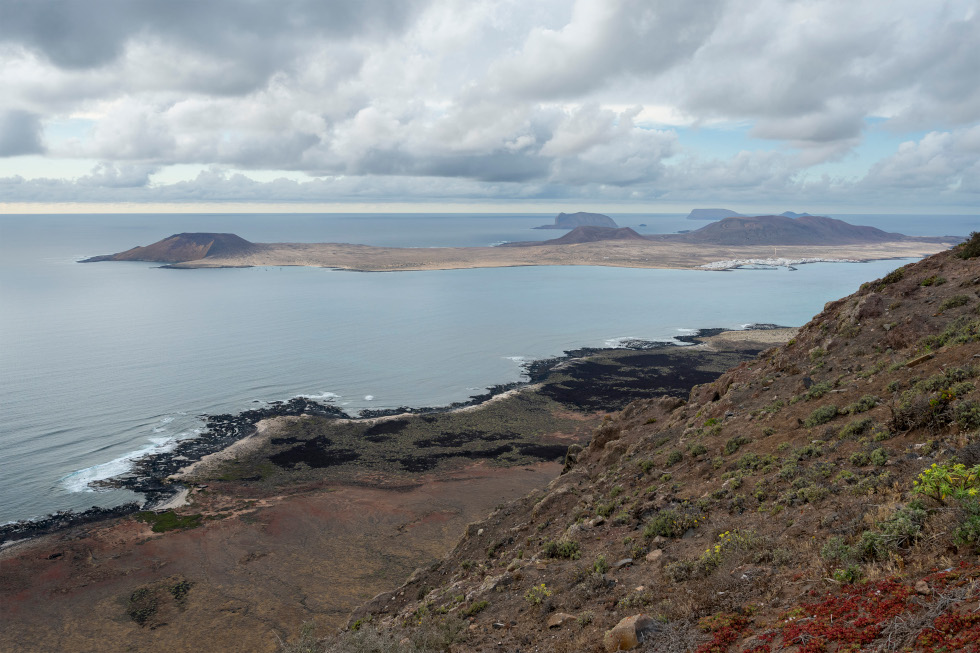
The Hidden Histories: La Graciosa and Isla de Lobos
As summer rolls in, two tranquil islands in the Canary archipelago—La Graciosa and Isla de Lobos—witness an influx of visitors eager to bask on their serene beaches. The gentle waves lapping against the shore make them ideal for sun-seekers and beach enthusiasts. However, what many of these beachgoers might not realize is that these idyllic spots were once temporary refuges for enemy ships several centuries ago, particularly when the ocean’s swells lessened during summertime.
Historical Context: The Era of European Conquest
From the 13th to the 18th centuries, a prolonged era of piracy gripped the region. During this almost five-century span, both La Graciosa and Isla de Lobos blossomed not only as picturesque hideaways but also as strategic points for pirates and corsairs. The combination of their natural shelters and proximity to essential supplies made these islands prime locations for launching incursions on nearby lands like Lanzarote and Fuerteventura, specifically targeting key towns like Teguise and Betancuria.
The idea that corsairs, often perceived as mere thieves, found refuge here may surprise many modern visitors. Still, documented accounts reveal that La Graciosa and Isla de Lobos weren’t just transient stops; they were integral to the strategic maneuvering of pirates during their quests for plunder.
Geographical Advantages
The geographical features of these islands contributed significantly to their strategic importance. The presence of natural harbors shielded vessels from fierce ocean currents, providing safe havens just out of sight from pursuing enemies. In addition to the gentle waters, the islands had nearby sources of freshwater, crucial for resupplying ships before their daring raids on the larger, more populated islands.
Corsairs vs. Pirates
Understanding the difference between pirates and corsairs provides valuable insight into this peculiar period. Pirates typically operated without any allegiance, marauding any ship they encountered—flying no flag and following no rules. In contrast, corsairs were sanctioned by a specific monarch, possessing a “patente de corso” (letter of marque) that allowed them to attack enemy vessels legally. Their endeavors were often overshadowed by the larger meta-narrative of European colonial conflicts and trade rivalries, especially concerning the immense wealth flowing from the Americas to Spain.
Historically, the allure for pirates and corsairs to target Lanzarote and Fuerteventura stemmed from their relative vulnerability. As chronicled by historians such as Víctor Bello Jiménez and Enrique Pérez Herrero, Spain’s focus was predominantly on “islas de realengo” like Tenerife and Gran Canaria, leaving Islands like Lanzarote and Fuerteventura defenseless and easy prey.
The Dilemma of Local Defense
Throughout the centuries, Spanish monarchs grappled with the challenge of adequately defending these islands. Despite multiple attempts to establish a dedicated naval fleet for protection, these efforts often faltered. Instead, local militias—comprised mostly of islanders—were called upon during attacks, but they were ill-equipped and poorly trained. Additionally, the infrastructure for defense was lacking; fortifications in Lanzarote and Fuerteventura existed but were frequently burned or dismantled by invaders.
Vigilance Amidst Insecurity
In response to the continual threat of attacks, local councils—known as cabildos—allocated their limited resources to maintain vigilance along the coast. They hired watchmen to patrol from lookout towers, always on the alert for signs of approaching danger. In many ways, this environment engendered a culture of fear that routinely disrupted everyday life on these islands, especially in La Graciosa and Isla de Lobos, which were considered especially difficult to defend.
The Frequency of Attacks
The susceptibility of these islands came to stark life in 1618 when 28 ships from Argel devastated Lanzarote. With minimal resistance offered by the local population, marauding forces abducted approximately 1,100 individuals, illustrating the dire consequences of the islands’ inability to defend themselves.
Evocative Imagery: Artistic Representations
Artistic depictions of these historical pirate attacks serve as a powerful reminder of this turbulent chapter. Illustrations accompany scholarly texts, seamlessly intertwining history and art to evoke a sense of the urgency, chaos, and drama that once unfolded right where sunbathers now lounge.
By rediscovering the layered narratives behind La Graciosa and Isla de Lobos, modern visitors can cultivate a deeper appreciation for these once-strategic lands, where enchanting landscapes meld with a storied past of secretive hideaways and fierce confrontations. The calm waters of today’s beaches stand in stark contrast to the tempestuous maritime history that shaped these islands, providing a poignant backdrop to their sun-soaked beauty.