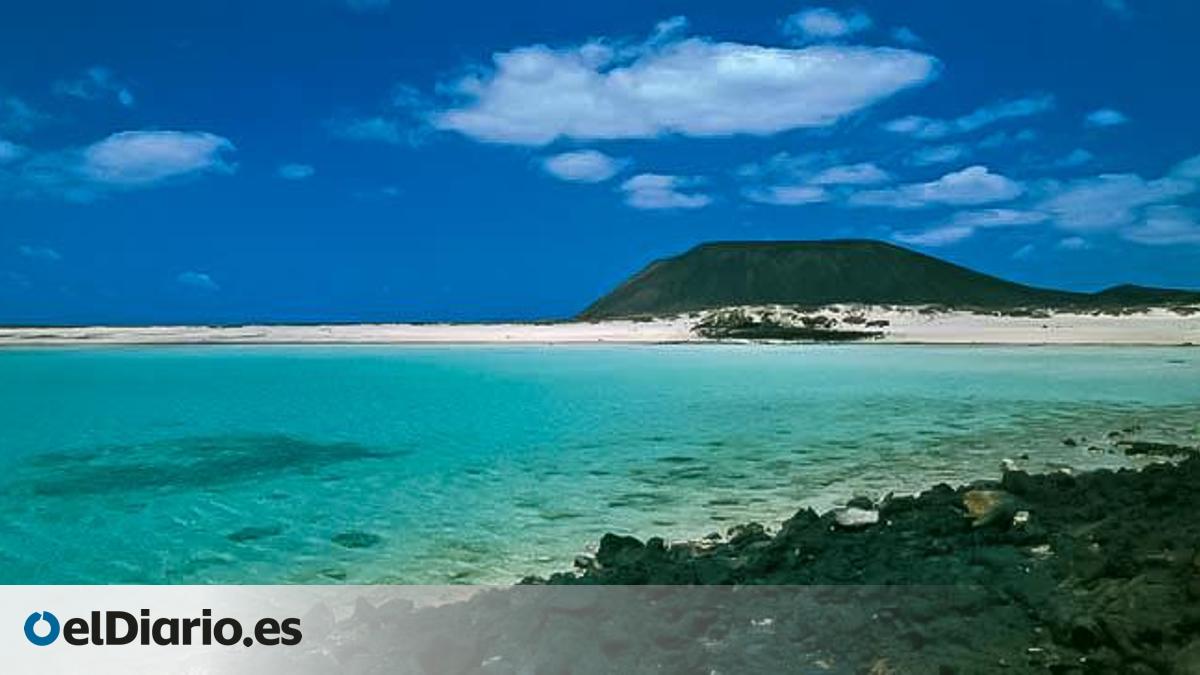
The Future of Isla de Lobos: Examining Tourist Fees and Conservation Efforts
Isla de Lobos, a small island located just north of Fuerteventura, has long been celebrated for its stunning natural beauty and ecological significance. Historically, this enchanting place has been a haven for locals and tourists alike, offering free access to its pristine landscapes. However, recent discussions initiated by the Cabildo de Fuerteventura may soon change that. A study has been commissioned to evaluate the potential implementation of tourist fees to help manage and conserve this precious ecosystem.
Understanding the Need for Regulation
The primary motivation behind the study is to ascertain how many visitors Isla de Lobos can sustainably accommodate without compromising its environmental integrity. Natalia Évora, the island’s Environment Minister, emphasizes that the current visitor influx contributes to wear and tear on the delicate habitats that exist on the island. Previously, the island operated under the assumption that it could host unlimited visitors without impacting its resources. However, as tourism has steadily increased, so too have concerns about maintaining its ecological balance.
The Financial Implications
The prospect of instituting a fee system raises questions about financial sustainability. Évora has pointed out that maintaining Isla de Lobos is a costly endeavor for the local government. The revenue generated from potential tourist fees would directly contribute to conservation efforts, including daily maintenance and environmental protection programs. This could ensure that the natural beauty and unique biodiversity of the island are preserved for future generations.
Currently, the island is managed by the public company Tragsa, which oversees facilities such as restrooms, an interpretation center, and a small restaurant. Despite these amenities, questions linger about how the island’s management can adapt to accommodate increasing visitor numbers while continuing to protect its valuable natural resources.
The Impact of Increased Visitor Access
In its earlier days, Isla de Lobos had limited access, with only one boat providing service to the island. Fast forward to today, and there are now three operating boats ferrying tourists to this paradise. Évora notes that even during the off-peak season, the number of visitors can swell significantly around holidays like Holy Week and Christmas. With the anticipated rise in visitors, the study aims to determine whether Isla de Lobos could handle a larger capacity without detrimental effects.
Future Directions in Island Management
Once the study is complete, the Cabildo expects to explore new management strategies that could enhance both visitor experience and ecological preservation. The intention is to possibly introduce a considerable increase in the number of visitors who can safely visit the island, as highlighted by Évora’s assessment that “this place can accommodate more people than what is currently allowed.”
The administration of the island may see significant changes based on the study’s findings. These changes could involve opening up the management to competitive bids to ensure that whoever operates the island aligns with conservation goals while providing recreational opportunities.
Transparency on Visitor Costs
While discussions around fees have garnered attention, the exact pricing structure remains undecided. The local government reassures the public that any potential charges will be reinvested into the island for maintenance and improvements, specifically aiming to enhance the ethnographic value of this sensitive environment.
The Natural and Archaeological Wonders of Isla de Lobos
Isla de Lobos is not only known for its striking landscapes but also for its archaeological significance. Protected since 1982, the island spans approximately 467.9 hectares and features various habitats that are in excellent condition. The ecosystems here host endemic species and precious paleontological sites that reflect the island’s unique heritage.
Moreover, recent archaeological discoveries, including Roman remains, underscore the island’s historical importance, hinting at its long-standing relationship with maritime activities. Notably, a quadrangular stone platform was discovered, potentially serving as a dock area during ancient times, highlighting the rich tapestry of human history intertwined with the island’s natural environment.
Conclusion
As Isla de Lobos stands on the brink of transformative changes, the spotlight shines on the balance between tourism and conservation. The ongoing studies and discussions surrounding potential visitor fees reflect a broader commitment to preserving this ecological gem while accommodating the desires of adventurous tourists. It’s a delicate dance of ensuring that Isla de Lobos remains a paradise for both nature lovers and history buffs alike.