The Rescue and Rehabilitation of a Stranded Donkey at Oasis Wildlife Fuerteventura
The story of the rescue and care of a recently injured donkey in Fuerteventura highlights the important work of animal protection organizations and the challenges they face. This particular case became a hot topic on social media due to the confusion surrounding a video that showcased the animal’s distress. In the aftermath of the incident, a joint effort by multiple organizations has led to the donkey’s ongoing recovery and protection.
Initial Discovery and Response
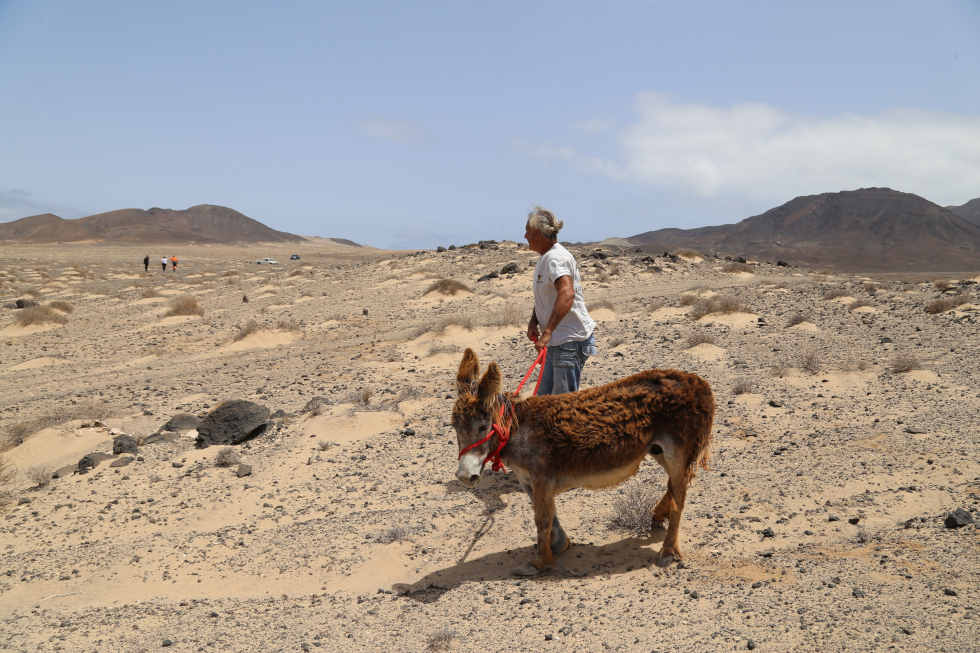
The donkey, located in Jandía, was initially discovered in an alarming state. Following a distress call to Oasis Wildlife by the Pájara Town Hall, a prompt response was initiated. The rescue operation was not straightforward; it required a series of visits to ensure the donkey was stabilized for transport. During the first visit, it became clear that although the donkey had a fractured leg and was notably limping, it was surprisingly agile and difficult to capture.
Realizing the need for advanced intervention, the rescue team scheduled a second visit equipped with tranquilizers. This crucial step allowed the veterinary experts to sedate the donkey safely and perform a radiographic examination to evaluate the extent of the injury.
Collaborative Efforts
The successful operation was a true example of teamwork, involving several parties, including the Oasis Wildlife Center, the Crines del Viento Riding School, the Pájara Town Hall’s agricultural and veterinary team, and local volunteers like Nelson Espinel. Together, they contributed to the initial rescue attempts and ongoing care for the donkey, now affectionately named “Nelson de la Punta de Jandía” in honor of its caretaker.
After thorough examinations indicated that the donkey was in good health aside from its leg injury, it was decided to leave it in its natural environment under constant supervision from Nelson, who had been instrumental in monitoring its health.
Rescuing the Donkey: Phased Approach
After approximately two weeks, it became clear that further action was necessary for the donkey’s recovery. The rescue team returned to the site with a more organized plan. This time, they successfully captured the donkey and transported it to Oasis Wildlife for comprehensive medical treatment.
During this time, social media generated confusion about the donkey’s condition. Videos circulated showing the donkey walking unsteadily as it stumbled awake from sedation. This prompted concern from the public that was later addressed by experts at Oasis Wildlife. They clarified that, upon awakening, a sedated wild animal may appear disoriented and is often slow to regain full functionality.
The Rehabilitation Process
Once at Oasis Wildlife, the focus shifted to the donkey’s rehabilitation. A thorough medical examination was conducted, involving X rays, ultrasounds, and blood tests to better understand the injury and plan for its recovery. The donkey will remain at the rescue center until it has fully healed, and the prognosis is still being carefully assessed.
The team is taking rigorous measures to ensure that the environment is suitable for the donkey’s rehabilitation. Neglecting such details could jeopardize its health, especially considering reports of citizens feeding the animal inappropriate foods, like bread and cookies, which can hinder its recovery.
A Unique Bond
In a compassionate move to support the donkey psychologically during its rehabilitation, the team decided to house it with another Majorero donkey, a breed native to the region. This decision was invaluable, as the companion helped alleviate stress and provided social comfort while the injured donkey was recovering.
It was a touching scene when the pair first reunited – the companion had followed the transport vehicle for several kilometers, demonstrating the bond they shared. As a result, both animals are now receiving care together at Oasis Wildlife, where they can provide mutual support during this difficult time.
Community Involvement and Responsibility
While the concern for the donkey was widely appreciated, experts urge the public to act responsibly concerning wild animals. Out of good intentions, many individuals attempted to intervene without proper guidance, leading to panic and further distress for the donkey. The management of Oasis Wildlife has stressed the importance of reporting incidents to authorities rather than taking matters into one’s own hands.
The local authorities and Oasis Wildlife have been coordinating efforts for years to manage the care of this endangered breed within Jandía National Park. A collaborative meeting was suggested by Oasis Wildlife to establish frameworks for safeguarding the species, but the implementation of these plans has seen delays.
Acknowledgments
The successful rescue and continued care for the donkey is a remarkable testament to the collaborative efforts of various local organizations and volunteers. A special note of gratitude goes to the Crines del Viento Riding School, Pájara Town Hall, and, notably, Nelson Espinel, whose hands-on involvement has played a crucial role in the case.
Through these combined efforts, Oasis Wildlife remains a beacon of hope for injured animals in Fuerteventura, committing to their well-being and rehabilitation before they are returned to their natural habitats. The continued awareness and involvement of the community will be pivotal in ensuring the success of such operations in the future.