The Invasive Threat: Horseshoe Whip Snakes in the Balearics
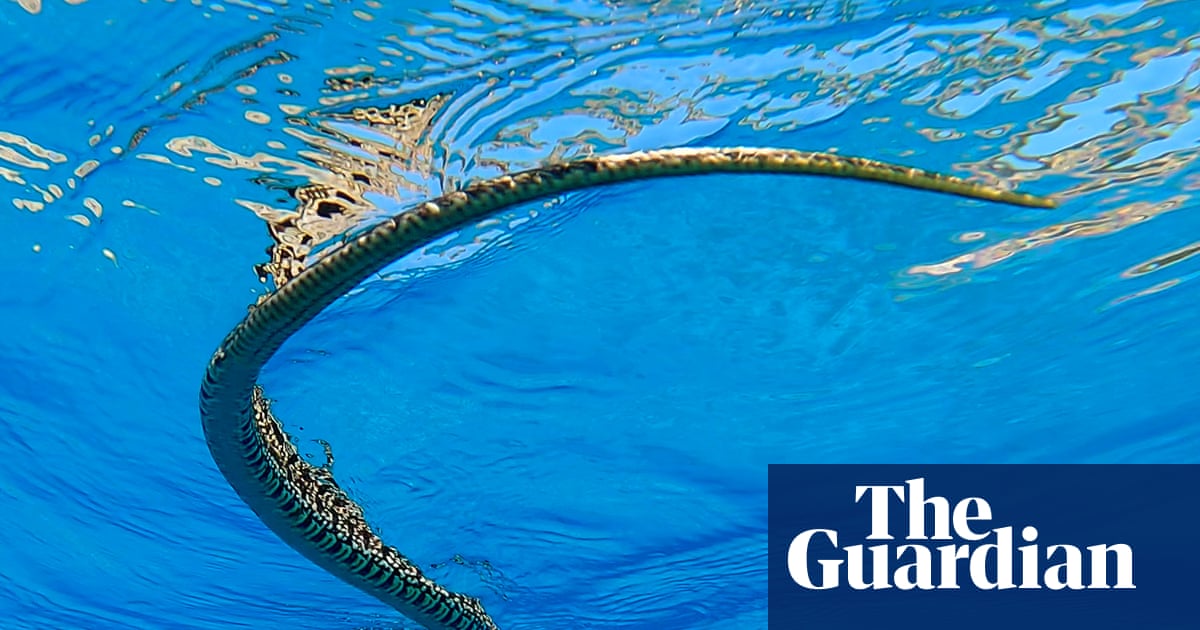
Irrefutable proof of what Spanish researchers and wildlife experts had long suspected—and feared—finally presented itself in April 2024. A grainy video captured a solitary horseshoe whip snake swimming through the turquoise waters between Ibiza and the islet of Santa Eulària, confirming the invasive species’ expansion into new territory.
The Arrival of the Invader
The sighting, recorded by a local wildlife ranger, marked a significant moment in the ongoing battle against the horseshoe whip snake, a non-venomous reptile native to southern and eastern Spain. This snake has become a formidable threat to Ibiza’s endemic wall lizards, which are known for their dazzling colors and unique ecological roles. The arrival of the snake on Santa Eulària indicated that the invader had opened a new front in its relentless march across the Balearic Islands.
Oriol Lapiedra, a biologist at the Centre for Ecological Research and Forestry Applications (Creaf) in Catalonia, noted, “There’d been increasing anecdotal evidence from fishermen and tourists who’d seen the snakes swimming, so we’d thought it was happening very often. But this was the first proper evidence we’d had of a snake swimming from Ibiza to the islet.”
The Impact on Local Wildlife
The horseshoe whip snake has been a growing concern since it first appeared on Ibiza two decades ago. Its rapid colonization has been linked to the trend among wealthy property owners who import ancient olive trees from the mainland. These trees, with their nooks and hollows, have inadvertently provided ideal habitats for hibernating snakes and their eggs.
Today, the horseshoe whip snake occupies at least 90% of Ibiza, preying on the island’s wall lizards, whose vibrant colors have become a symbol of local culture. Unfortunately, the lizard population is dwindling. In October 2022, the International Union for Conservation of Nature elevated the Ibiza wall lizard from “near threatened” to “endangered” on its extinction red list.
The Role of Wall Lizards in Ecosystems
Wall lizards are not just aesthetically pleasing; they play a crucial role in maintaining the island’s ecosystems. They help control insect populations, including agricultural pests, and contribute to pollination and seed dispersal. Each island in the Pityusic archipelago hosts distinct lizard populations, showcasing a remarkable array of colors, from green and blue to orange and grey.
Lapiedra emphasized the ecological importance of these lizards: “They control insect populations—so that all changes when they disappear. But they also pollinate flowers and disperse seeds.” The loss of these lizards would not only be a blow to biodiversity but also to the ecological balance of the region.
The Growing Snake Population
The exact number of invasive horseshoe whip snakes on Ibiza remains unknown. However, the Balearic regional government reported capturing over 3,500 snakes on the island last year alone, with more than 16,000 culled since 2016. Projections suggest that by the end of 2027, snakes will inhabit 100% of the island.
Interestingly, while mainland snakes typically measure around 1.8 meters, those on Ibiza have been found to exceed 2 meters in length and weigh significantly more. Lapiedra remarked, “We’ve found animals that are as thick as my wrist,” indicating that the snakes are thriving in their new environment.
The Extinction of Unique Lizard Populations
The consequences of this invasion are dire. Researchers observed a dramatic decline in lizard populations on Santa Eulària, with numbers plummeting from 72 in 2016 to just three in 2023. The unique lizard populations on ten islets have already gone extinct, erasing thousands of years of evolutionary history. Alarmingly, horseshoe whip snakes have also been spotted on Formentera, Ibiza’s neighboring island.
In response to this crisis, a “Noah’s ark” captive breeding program was initiated at Barcelona Zoo, involving lizards from eight different populations. While this initiative shows promise, the small size of the islets and the voracity of the snakes leave little room for optimism.
A Comparison to Guam’s Ecological Crisis
Lapiedra likens the situation in Ibiza to the ecological disaster that unfolded on the Pacific island of Guam, where the introduction of the brown tree snake led to the extinction of ten out of twelve native forest bird species. “The only difference is that the snakes in Guam aren’t reported to swim,” he noted, highlighting the unique challenges faced by the Balearics.
Urban Areas as Unexpected Sanctuaries
In a twist of fate, the safest lizard populations in Ibiza are now found in urban areas. Lapiedra explained, “The lizards are still present in the largest cities in Ibiza and the populations are fine. Basically, what’s happening is that in the urban areas, the snakes get run over, and people there also kill them because they don’t like snakes.” For now, urban environments offer a refuge for these beleaguered lizards.
The Cultural and Ecological Tragedy
The rapid disappearance of the wall lizards represents both an ecological and cultural disaster for Ibiza. Lapiedra poignantly remarked, “Each, or most, of the islets have these unique lineages that are being completely lost to science and to humanity right now. So this is a tragedy—it’s like a fire in an old church.” The ongoing struggle against invasive species underscores the delicate balance of ecosystems and the profound impact of human actions on the natural world.