Managing Visitor Flow in Sensitive Areas of Fuerteventura: The Case of Islote de Lobos
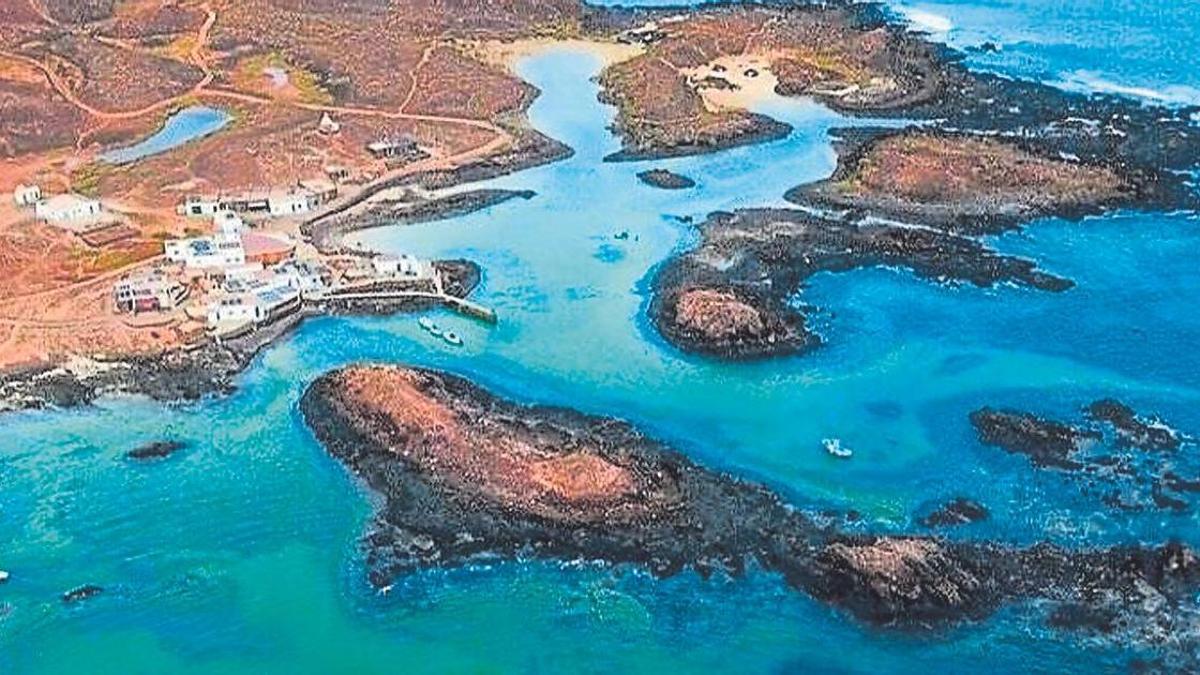
Fuerteventura, one of the stunning Canary Islands, is not only known for its breathtaking vistas and unique wildlife but also for the delicate ecosystems that require protection from the pressures of tourism. Among the various natural areas, the Islote de Lobos stands out as a focal point for visitor management and conservation efforts.
The Need for Visitor Management
As the tourism sector continues to swell, so does the need to regulate and manage visitor flow in sensitive areas. According to a recent survey conducted by the local government, many residents feel the pinch of overcrowding, particularly during weekends and summer months. A striking 72.1% of respondents believe that the influx of visitors during these times is excessively high for protected natural spaces. This significant sentiment reveals both a community concern and an urgent call for effective management strategies.
Striking a Balance: Conservation and Access
The challenge of balancing conservation with accessibility is a complex yet crucial undertaking. The Islote de Lobos, with its fragile habitats, requires careful oversight to prevent ecological degradation. Residents express a strong desire for responsible tourism that respects the natural environment while allowing visitors to enjoy and connect with it. The survey respondents—over 91.6% from the local population—demonstrated a commitment to enhancing protective measures that cater specifically to unique ecosystems such as that of the Islote de Lobos.
Enhancing Monitoring and Compliance
Effective visitor management isn’t just about limiting numbers; it’s also about ensuring that the current regulations are respected and upheld. The introduction of increased surveillance, coupled with stricter adherence to existing guidelines, can significantly help in safeguarding these natural areas. Vigilance becomes a key element in encouraging not just compliance but also awareness among visitors regarding the responsibility that comes with enjoying these pristine ecosystems.
Education and Public Awareness
To achieve sustainable visitor management, education plays a vital role. Providing information about the significance of maintaining the integrity of places like Islote de Lobos can foster a sense of stewardship among visitors. Proper signage, informative brochures, and guided tours can enhance the understanding of the ecological value of these areas. Additionally, educating the public about the potential harm caused by overcrowding can lead to more conscientious behavior and practices.
Accessibility: Ensuring Everyone Can Enjoy
While regulating visitor numbers is crucial, it should not come at the expense of accessibility. The goal is to create a framework that allows people to visit these natural treasures without causing harm. This involves considering factors such as transportation options, the design of visitor facilities, and the ease of acquiring information. Making these areas accessible to all, including families and those with disabilities, should remain a priority, as it supports the idea that nature should be enjoyed by everyone.
Insights from the Community
The local community’s feedback is invaluable in shaping effective management strategies. The survey highlighted that there is a positive inclination towards advancing conservation efforts, with many suggesting that a detailed visitor management plan tailored to each location’s unique qualities is necessary. Listening to the community’s voice can ensure that any regulatory measures resonate with both residents and visitors, fostering a collaborative approach to conservation.
In summary, managing visitor flow in sensitive areas such as the Islote de Lobos requires a multifaceted approach that balances accessibility with conservation. The insights from local residents combined with strategic planning can create a sustainable model that protects these precious ecosystems for generations to come.