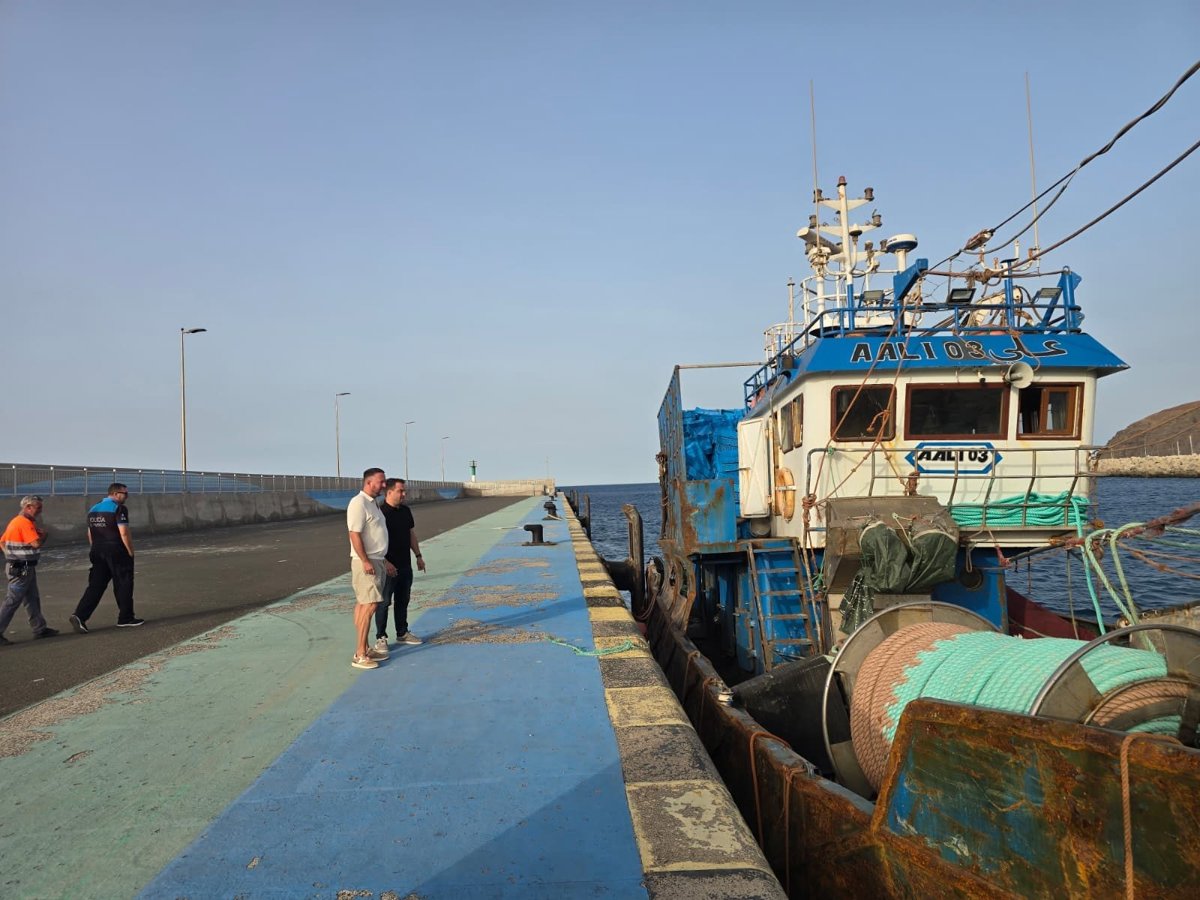
The Return of a Stolen Fishing Vessel to its Owner
On July 24, a significant event unfolded at the port of Gran Tarajal on Fuerteventura, a beautiful island in the Canary Islands. A stolen fishing vessel that had made its way to the island with migrants on board was finally removed, thanks to a collaborative effort between the Ayuntamiento de Tuineje and Puertos Canarios.
A Stolen Vessel’s Journey
The fishing boat in question had a troubled history, having been snatched from the waters off Western Sahara. It was allegedly intended to facilitate human trafficking, a grim reflection of ongoing issues surrounding migration. However, during a maritime operation involving Salvamento Marítimo, specifically the Salvamar Mizar, and the Guardia Civil, the vessel was intercepted at sea. This successful intervention led to the boat being towed to the Gran Tarajal port.
Investigative Efforts and Coordination
Once docked, the fishing vessel remained under scrutiny as the Guardia Civil conducted its investigation. The authorities worked diligently to trace the rightful owner, eventually locating him in Morocco. Following the conclusion of the investigation, an official act of transfer was formalized, making it possible for the boat to be returned to its original owner.
Local Governance and Safety Concerns
In a preceding statement, David Herrera, the mayor of Tuineje, expressed his concerns regarding the boat’s presence in the port, particularly in light of potential adverse weather conditions. He emphasized the need for urgent removal to prevent complications from any impending southern storms. Herrera urged that the vessel be relocated to the state-owned port of Puerto del Rosario, deeming it a more suitable site for handling such situations, especially given that the management of the boat should lie under state jurisdiction.
Inter-Administrative Collaboration
An essential aspect of resolving this issue involved adept coordination between multiple governmental agencies. Notably, there was an early lapse in communication; the Delegation of the Government had not informed either Puertos Canarios or the Ayuntamiento de Tuineje of the fishing boat’s arrival. Nonetheless, after raising their concerns, the local administration managed to establish a connection with the relevant authorities. “Once we shared our worries and contacted the competent organisms, the Guardia Civil acted swiftly and efficiently to conclude the investigation and assist in the vessel’s return to its owner,” stated a representative from the Ayuntamiento.
A Call for Improved Communication
Throughout the process, Mayor Herrera expressed gratitude for the cooperation of Puertos Canarios. He also made a significant request to state agencies: ensure that local administrations are involved from the outset of similar incidents. Efficient communication is paramount for handling the effects such occurrences have on local communities, where the burden often falls on local governance.
The return of the fishing vessel not only marks the conclusion of an intricate legal process but also highlights ongoing conversations about migration, human trafficking, and the responsibilities shared between local and state authorities in addressing these pressing issues.