The Significance of Tefía: Spain’s First LGTBI Democratic Memory Site
In a substantial milestone for both historical recognition and LGTBI rights, the former detention center of Tefía in Fuerteventura has been officially declared the first Lugar de Memoria Democrática (Place of Democratic Memory) in Spain dedicated to honoring the oppression faced by LGTBI individuals during Francisco Franco’s dictatorship. This acknowledgment serves as a poignant reminder of a painful past that many fought against to ensure that such injustices never occur again.
Understanding the Recognition
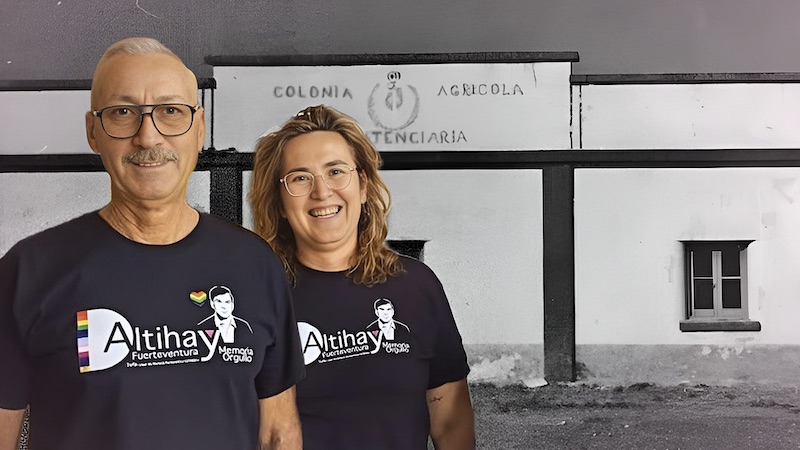
The declaration took place on February 27 and stirred a profound emotional response among activists and community members. Alva Valdivia, coordinator of the Altihay collective in Fuerteventura, expressed the weight of this recognition: “For Altihay, this was an outstanding commitment to both the victims and the democratic process itself.” With more than twenty years of dedicated efforts, the collective has worked tirelessly to revoke the silence surrounding the persecution of individuals based on their sexual orientation during the dictatorship.
León Martín, honorary president of Altihay, highlighted the brutal reality faced by those detained at Tefía. “Between 1954 and 1966, Tefía served as a prison where over a hundred individuals were incarcerated simply for being gay. Not only were they subjected to forced labor under harsh conditions, but they also experienced humiliation and suffering that was emblematic of the systemic discrimination of the time.”
The Journey of Recovery
The journey to reclaim this historical space began in 2002 when Altihay was established. Interestingly, many people, including those involved with the collective, were unaware that Tefía had such a dark past. Alva recalls, “We set up our collective at the Tefía youth hostel. Little did we know, it held a history of repression that was largely forgotten. We felt compelled to bring this history to light.”
Even before the official recognition, efforts had been made to memorialize Tefía. The first plaque commemorating the site’s significance went up in 2004. This initial step was followed by various institutional events and LGTBI gatherings on the island. Collecting historical records and personal testimonies became crucial for creating a comprehensive account of the injustice endured by many. León stated, “Reconstructing this history was essential in fostering awareness within society about aspects of our past that had remained hidden for so long.”
Future Aspirations for Tefía
Looking ahead, the Altihay collective envisions transforming the Tefía site into an interpretation center. Martín elaborated, “We plan to provide audiovisual materials, historical documents, and educational resources. The idea is not merely to remember our past, but to teach the value of rights and freedoms in a democratic society.”
The establishment of this center would benefit visitors by providing context to the events and helping to foster understanding of LGTBI rights today. It aims to serve as an educational resource that preserves history while also engaging in vital cultural dialogues about human rights.
Progress and Challenges in LGTBI Rights
Over the past 24 years, the societal landscape has seen significant transformation regarding LGTBI rights. León reflects, “When we founded Altihay, we had no idea how society would react. Today, we witness increased visibility for LGTBI individuals and crucial developments like the legalization of same-sex marriage.”
Yet, this progress is nuanced. Alva cautions against complacency: “We are currently facing voices that question our rights. It’s crucial to remember that rights are not permanent; they must be actively defended.” The commitment to activism is vital in ensuring that the community’s hard-earned rights are preserved.
The Role of Education
Valdivia emphasizes the importance of education in advancing LGTBI rights and fostering a culture of acceptance. Over the last 15 years, Altihay has collaborated with educational institutions in Fuerteventura to promote diversity and equality. “Addressing diversity is not indoctrination; it’s about teaching coexistence in a plural society,” she asserts.
Such initiatives aim to prevent bullying and enhance respect among students, laying the groundwork for a more inclusive future. The need for open conversations around sexual orientation and gender identity remains critical in shaping societal attitudes.
Honoring Memory while Shaping the Future
The designation of Tefía as a Lugar de Memoria Democrática serves not just as an acknowledgment of a troubled history, but also as a step towards healing and understanding. The work of Altihay and its commitment to preserving this memory is a testament to the impact of community action and the importance of collective remembrance in advocating for justice, equality, and respect for all individuals, regardless of their sexual orientation or identity.