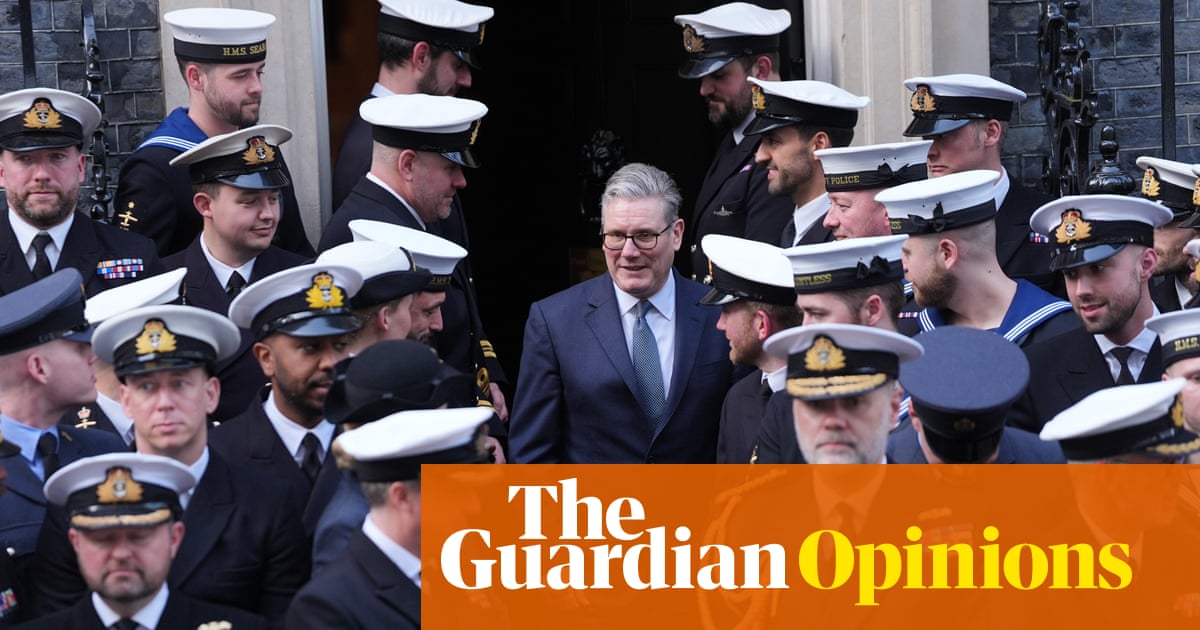
The Changing Dynamics of the UK-US Relationship
Donald Trump’s recent remarks about the UK-US relationship being “not what it was” highlight a significant shift in diplomatic dynamics. While he expresses disappointment over the UK’s limited support in the ongoing conflict with Iran, the underlying reasons for this change are complex and multifaceted.
Limited Military Cooperation
Trump’s frustration stems from Sir Keir Starmer’s cautious approach to military involvement in the Iran conflict. The UK’s decision to provide only limited logistical support, despite allowing the use of RAF resources for defensive operations, reflects a broader reluctance to engage in military actions without clear legal justification. This cautious stance is not merely a political maneuver; it signifies a shift in how the UK perceives its role in global conflicts, prioritizing legal and ethical considerations over traditional alliances.
European Leaders and US Relations
Starmer is not alone in his cautious approach. Other European leaders, such as Spain’s Pedro Sánchez, have openly opposed the Iran war, prompting Trump to threaten trade repercussions. This illustrates a growing tension between the US and its European allies, particularly as they navigate their own national interests in the face of American foreign policy.
The Economic Landscape
The economic implications of this diplomatic rift are particularly pronounced for the UK. Unlike Spain, which benefits from EU trade agreements, post-Brexit Britain finds itself more vulnerable to unilateral actions from the US. The potential for tariffs and other economic sanctions looms large, especially as negotiations for a multibillion-pound tech prosperity deal are underway. A souring of relations could have immediate and severe economic consequences for the UK.
Military Dependency and Strategic Autonomy
Britain’s military dependency on the US is another critical factor. The “special relationship” has historically meant deep integration of military systems and technologies. This reliance complicates the UK’s ability to pivot towards a more independent defense strategy, especially as other European nations, like France, advocate for “strategic autonomy.” French President Emmanuel Macron’s recent proposals to extend nuclear deterrents to other European countries underscore a shift towards a more self-reliant European defense posture.
The Asymmetry of Power
Despite the growing calls for European unity in defense, the asymmetry of military power remains a significant concern. The US military dwarfs that of any other NATO member, making it difficult for European nations to fully detach from American influence. However, the political landscape is changing, and the UK’s decision to distance itself from Europe through Brexit appears increasingly precarious in this context.
The Need for Closer European Cooperation
In light of these developments, Sir Keir Starmer’s pursuit of closer European cooperation in defense and security is a prudent strategy. However, progress has been slow, and the unpredictable nature of Trump’s presidency adds urgency to the need for a cohesive European response. The legacy of Brexit complicates this relationship, but it does not negate the strategic imperative for the UK to align more closely with its continental allies.
Navigating a New Diplomatic Reality
As the UK navigates this new diplomatic reality, the balance between maintaining a strong relationship with the US and fostering closer ties with Europe will be crucial. The evolving geopolitical landscape demands a reevaluation of traditional alliances and a more nuanced approach to international relations. The UK’s ability to adapt to these changes will significantly impact its future role on the global stage.