The Remarkable Discovery of the Franciscan Convent of San Buenaventura in Betancuria
A Milestone in Canary Archaeology
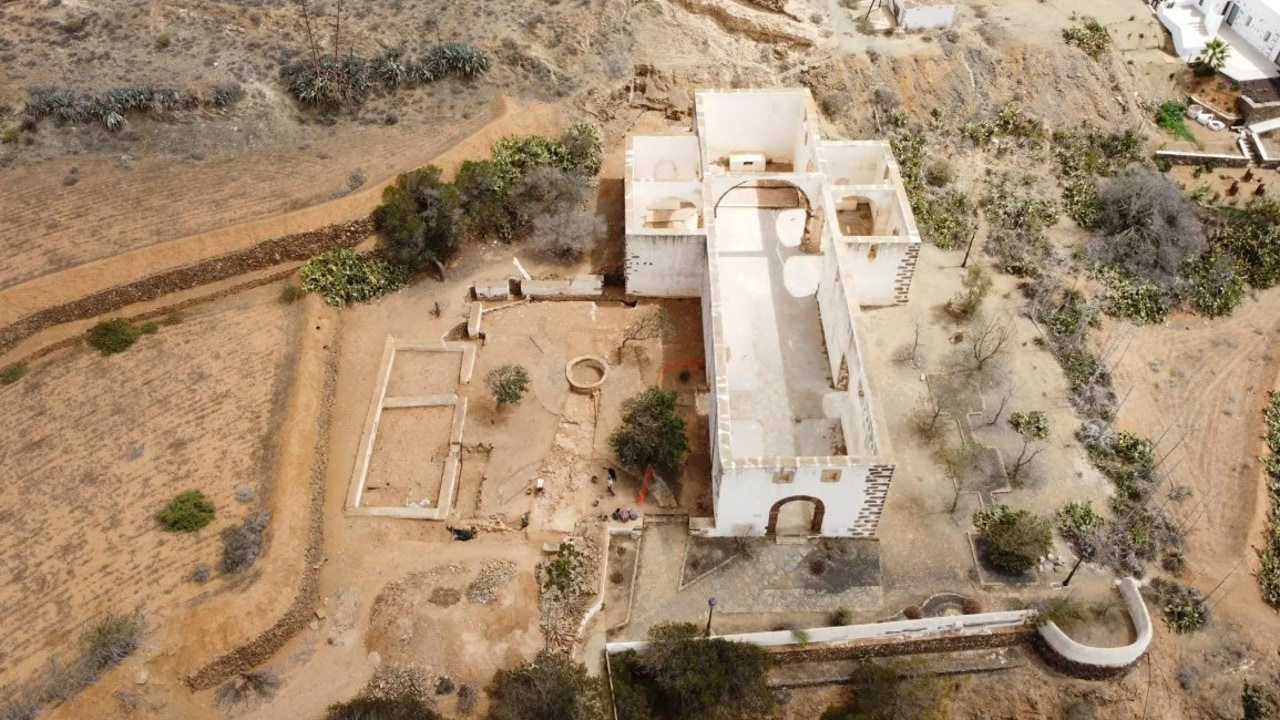
The field of Canary archaeology has reached a significant milestone with the scientific identification of the Iglesia del Antiguo Convento Franciscano de San Buenaventura in Betancuria, Fuerteventura. Led by Marco Antonio Moreno and the team at Tibicena Arqueología y Patrimonio, this groundbreaking work has documented the original structure of the temple and the adjoining cloister, providing solid evidence that traces the construction of the convent back to the early 15th century. This revelation not only underscores its pioneering significance within the archipelago but also enriches our understanding of the cultural and historical landscape of the Canary Islands.
Historical Significance of San Buenaventura
Founded in 1416 with papal authorization, San Buenaventura holds the distinction of being the first Franciscan convent in the Canary Islands. While the visible remnants of the convent near the entrance of the historic village were already familiar to locals, recent excavation campaigns have provided crucial material and stratigraphic evidence. This data clears up previous uncertainties surrounding the architectural layout and chronology of the church. Historical literature and island chronicles substantiate this antiquity, positioning San Buenaventura as a foundational site for monastic life in the archipelago.
Excavation Discoveries
The archaeological excavations have unveiled remarkably preserved walls, original flooring, interior hydraulic systems, and funerary contexts closely tied to liturgical practices. These findings allow researchers to piece together various phases of occupation, renovations, and eventual abandonment, opening up new avenues for studying the establishment of mendicant orders and their impact on the social framework of Fuerteventura’s first capital.
Roots of the Project
The current project traces its roots back to initial surveys conducted in 2018, supported by funding from the Cabildo de Fuerteventura and collaboration with the diocese. These early efforts sparked a series of campaigns that not only confirmed initial findings but also solidified the structure’s integrity. The recent approval of a restoration plan in 2022 marks a crucial step toward preserving the site while managing public access to it, ultimately aiming to halt deterioration and enhance visitor experiences.
Historical Context of the Convent’s Decline
Understanding the convent’s historical trajectory reveals why it fell into disuse. The Trienio Liberal era saw the enforcement of exclaustration and mandatory closures, which contributed significantly to the suppression of numerous religious houses across Spain. This process, particularly between 1836 and 1837, forced the departure of many monks and led to the liquidation of their properties.
Insights into Urban Life
The convent church serves as a window into the early urban landscape of Betancuria. The core of this settlement provided a space for worship, education, and social assistance. Analyzing the structures and their fill layers reveals vital information regarding water supply, internal circulation, and funerary practices—details that often vanish in contexts vulnerable to looting and coastal erosion. Validate findings on-site, matched with historical documents, significantly enhances the archaeological site’s evidential value.
Cultural Itinerary and Heritage
The confirmation of the oldest church in the Canary Islands opens a dynamic cultural itinerary. Betancuria boasts a historical ensemble infused with medieval Atlantic characteristics, narrating a story that intertwines conquest and evangelization. Enhancing the site could create integrated pathways throughout the ancient capital, featuring interpretative visits to the convent and the nearby parish of Santa María, along with preserving the urban layout that embodies modern typologies. Local administrations are already working on developing these connections, aiming for a beneficial impact on both research initiatives and heritage tourism.
In summary, the rediscovery of the Franciscan Convent of San Buenaventura stands as a testament to the rich historical tapestry of the Canary Islands, poised to intrigue researchers and visitors alike. The insights gained from this archaeological work not only contribute to academic knowledge but also enhance cultural appreciation among the public.