The Success of “Playa de Lobos” at Yelmo Cineplex, Caleta de Fuste
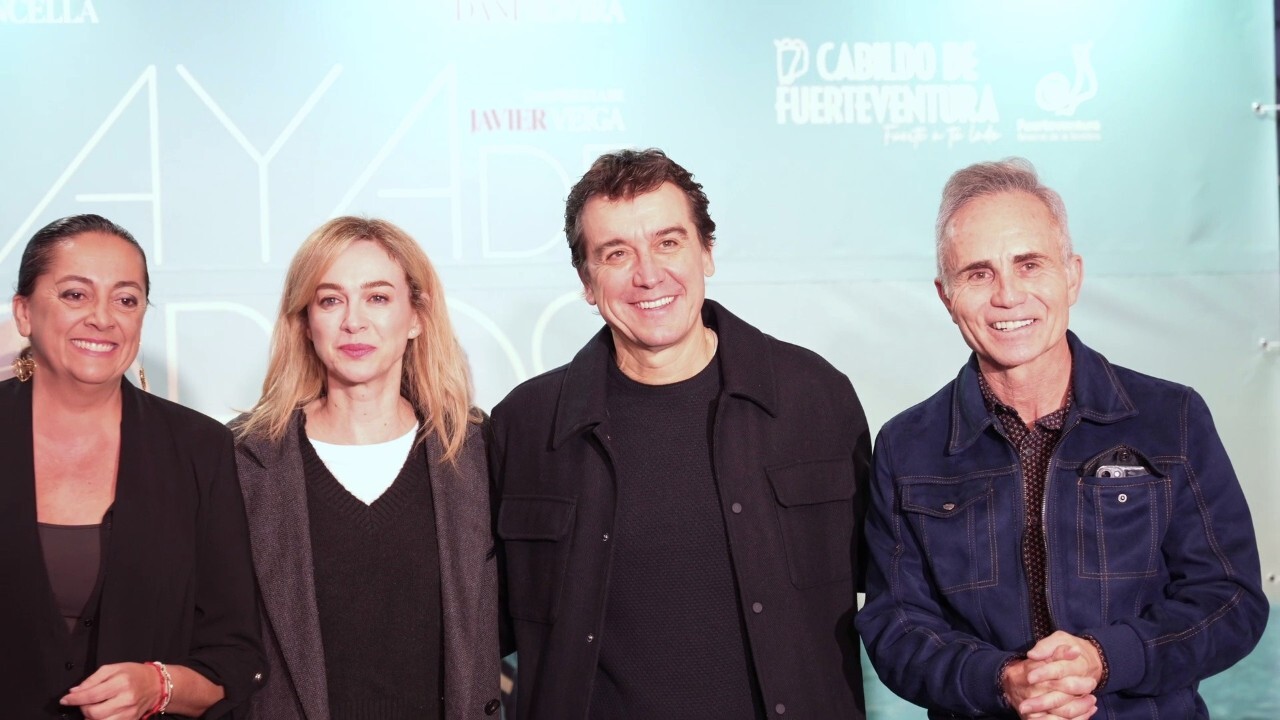
Los multicines Yelmo Cineplex in Caleta de Fuste recently held two special screenings of the film Playa de Lobos, a delightful comedy filmed entirely on the stunning landscapes of Fuerteventura. The production not only featured scenic locations but also showcased the vibrant local talent, utilizing around 280 extras from the island. An impressive investment of nearly one million euros flowed into the local economy, making this film a significant contributor to Fuerteventura’s growth in the audiovisual sector.
Recognizing Local Potential
The Fuerteventura Film Commission has hailed the filming of Playa de Lobos as a notable success. According to Nereida Calero, the commissioner of the entity associated with the island’s government, these special screenings aim to highlight Fuerteventura’s potential in attracting investments and creating job opportunities within the audiovisual industry. The screenings serve as a reminder of the island’s rich cultural tapestry and its attractiveness as a filming location.
Director’s Delight: Javier Veiga Speaks
Javier Veiga, the film’s director, expressed his joy about having these special screenings in the very environment where the film was shot. He remarked, “It’s a pleasure to be here,” reflecting on the challenges faced during the production. Veiga mentioned that although the shooting required many late-night recordings, the unique character and allure of Fuerteventura made the experience worthwhile. The local flavors and scenery enrich the film, contributing to its favorable reviews.
A Star-Studded Cast
Playa de Lobos features a talented cast, including well-known figures like Dani Rovira, Marta Hazas, and Antonia San Juan, along with Veiga himself. This production comes from the team at Medio Limón, a production company founded by Hazas and Veiga, aiming to promote original storytelling that resonates with audiences on a personal level.
Behind the Scenes: Collaborative Efforts
The film’s production was supported by the Fuerteventura Film Commission, ensuring that local knowledge and resources were utilized effectively. Principal shooting took place at Playa de la Guirra in Caleta de Fuste, with additional scenes filmed at various iconic locations around the island, such as the Corralejo Dunes and the charming town of Betancuria. After the screenings, Veiga and Hazas held a Q&A session with the audience, sharing insights and anecdotes from the production journey.
A Part of a Larger Cinematic Trend
The film is part of a growing trend within the Canary Islands, with an impressive tally of almost 134 completed productions over the past year. Horacio Umpiérrez, the Vice Minister of Culture for the Canary Islands government, emphasized the importance of the film industry to the region, noting his satisfaction with achieving these new records in production. The Canary Islands Film initiative is dedicated to fostering a robust sector that meets increasing demand, while ensuring economic sustainability and respect for the environment.
A Filmmaking Marvel
Marta Hazas described the filming experience as “wonderful and fun,” emphasizing the dedication of the crew who even forwent weekends at home to meet tight production schedules. The choice of Caleta de Fuste as a filming location was strategic, particularly for the beach shack that plays a pivotal role in the film’s storyline. Hazas explained that it matched perfectly with the vision they had when they read the script.
The Intriguing Storyline of Playa de Lobos
At its heart, Playa de Lobos tells the story of two disparate characters who cross paths at a beach bar at sunset. Manu, who works at the beach shack, and Klaus, a reluctant tourist, initially appear to be worlds apart. Their seemingly chance meeting takes on layers of complexity as tension builds, leading to a striking proposal from Klaus that shakes Manu’s world. This narrative serves as both a comedy and a thrilling exploration of character dynamics set against the backdrop of picturesque Fuerteventura.
Playa de Lobos signifies much more than just a film; it represents Fuerteventura’s potential in the global film landscape, opening doors for future projects and investments while fostering local creativity and community involvement.