Unearthing History: The Archaeological Campaign at Lobos I
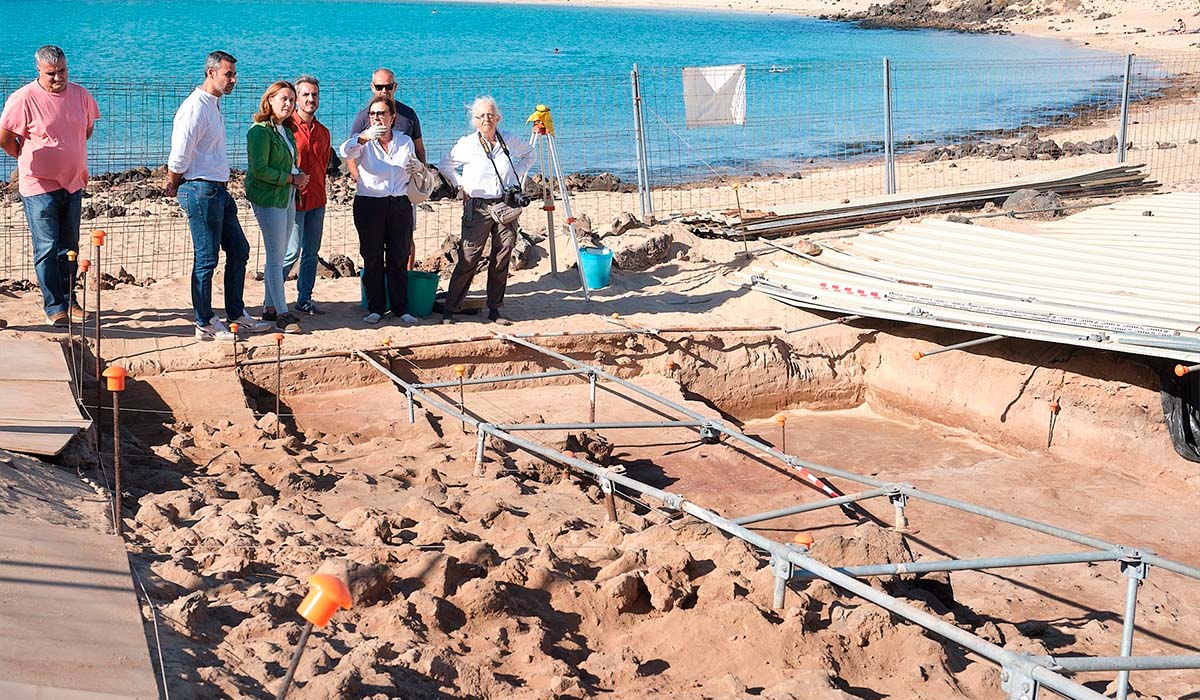
The Cabildo de Fuerteventura, in collaboration with the Autonomous Organization of Museums and Centers (OAMC) of the Cabildo de Tenerife and the University of La Laguna, has embarked on an exciting new archaeological campaign at the site of Lobos I, situated on the charming Islote de Lobos. This initiative marks a significant advancement in understanding the historical narrative of this important Canarian site.
Expansion of Excavations
In this recent phase of excavation, efforts have been expanded southward within the archaeological site. This extension has yielded new concheros, or shell middens, which are indicative of long-ago human activities involving the utilization of marine resources. Excavating these areas not only helps reveal the dietary habits of past societies but also provides insight into their cultural practices.
Innovative Techniques: Ground Penetrating Radar
For the first time, ground-penetrating radar (GPR) has been employed in the Lobos I excavation. This modern technology allows archaeologists to visualize potential archaeological layers beneath the surface without invasive digging. Through this method, three new zones of archaeological interest have been identified, providing a promising avenue for future exploration. These findings hold the potential to uncover artifacts and structures that could reshape our understanding of the region’s past.
Rich Artifacts from Roman Manufacture
Previous excavation efforts at Lobos I have uncovered a treasure trove of artifacts dating back to Roman times. Among these find are ceramics produced on a potter’s wheel, alongside an array of metal pieces made of bronze, iron, lead, and various lithic tools. Notably, many of these items are linked to the process of dyeing fabric with purple, which was historically significant. This ancient craft was often associated with wealth and status, emphasizing the economic exchanges that existed between the Romans and the indigenous communities of the Canary Islands.
Domestic Life and Food Consumption Practices
The excavation has also unveiled a variety of everyday objects linked to domestic life. Researchers have discovered kitchen ceramics and tableware, giving them a glimpse into the culinary practices of the inhabitants. Moreover, evidence of combustion areas highlights the consumption patterns of animals such as goats, sheep, and pigs, as well as sea creatures and plant-based products. Such findings allow archaeologists to paint a more vivid picture of the diet and lifestyle of the past.
Insights into Elite Culture
In this latest campaign, archaeologists have found indications of tableware crafted from black-glazed ceramics, a style associated with the wealthier classes of the Roman Empire. This discovery suggests that, even in the remote landscapes of the Canaries, there were social hierarchies that mirrored those of the mainland. The presence of refined culinary artifacts alongside more routine domestic items points to a complex society that valued both utility and status.
The ongoing excavations at Lobos I continue to unveil the rich tapestry of history buried beneath the surface, providing a compelling narrative of life in ancient times. With the combination of traditional excavation techniques and innovative technologies like GPR, researchers are poised to glean further insights from this captivating archaeological site. The exploration of Lobos I exemplifies the enduring quest to understand our shared human heritage, deepening our connection to the past while informing our understanding of present and future cultures.