The Expansion Project for Corralejo Port: A New Era for Tourism and Connectivity
Overview of the Project
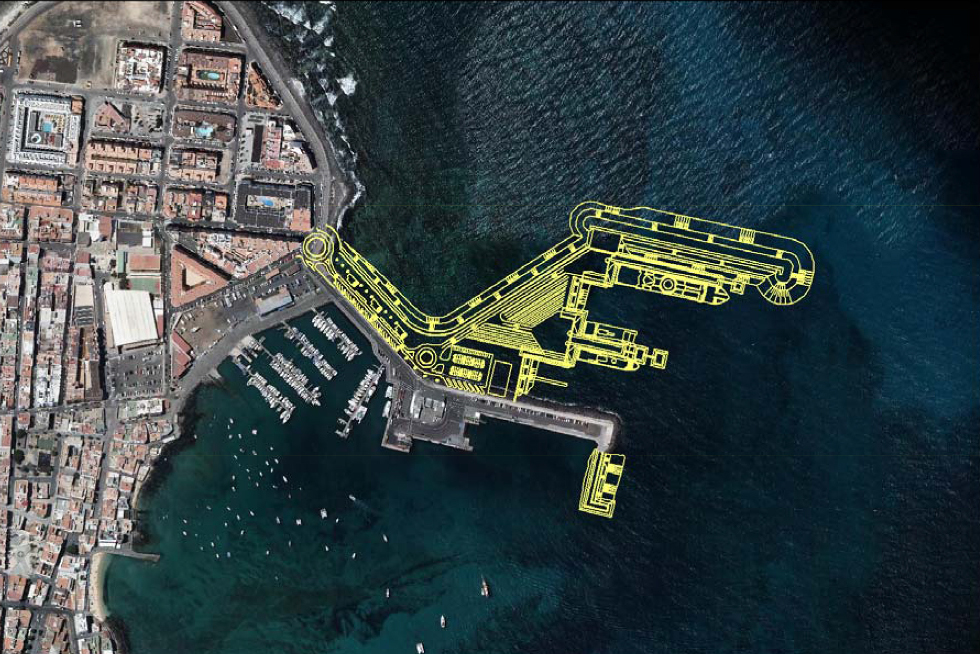
The highly anticipated expansion of the port in Corralejo is officially on the table. The original idea of a sports dock protected by a crescent-shaped breakwater near Bristol has been set aside. Instead, the new design, currently awaiting approval from the Works and Public Services Department of the Canary Islands Government, primarily focuses on increasing dock space for regular passenger lines. This shift signifies a commitment to enhancing the area’s capacity for tourism and passenger transport.
Investment and Budget
According to the details made public, the total budget for this project is nearly €33 million. This substantial investment aims not only to update current functionalities of the port but also to position the new Corralejo dock as a potential stopover point for smaller tourist cruise ships, specifically those under 150 meters in length. The renewed focus on tourism aligns with the economic needs of Fuerteventura and acknowledges the existing infrastructure at the larger, state-owned port of Puerto del Rosario.
Benefits and Opportunities
The project’s documentation emphasizes the unique strengths of the northern Fuerteventura region. Its breathtaking sand dunes, proximity to charming tourist locales such as Tindaya and El Cotillo, and the nearby Lobos Island add significant value to Corralejo as a tourist destination. By recognizing these attributes, the expansion is poised to not only facilitate but also elevate the travel experience for visitors.
Design Features
The design plan for the expanded Corralejo port includes a new exterior breakwater that extends northward. This breakwater will be composed of three distinct segments: a 120-meter-long “connection” section extending straight from the land, a 78-meter “shelter” segment, and a final 241-meter section that will protect the waters of the new commercial dock. Altogether, this entails a remarkable increase of approximately 441 meters of new breakwaters that will stabilize and enhance the operational capacity of the port.
Comparison with Existing Infrastructure
With the introduction of this new dock, Corralejo’s port will mirror the structure recently completed in Playa Blanca on Lanzarote, which is expected to start operating this October. This neighboring project required an investment of around €40 million and will result in more protected water areas for docking. As part of this expansion, Corralejo is projected to have a sheltered water surface reaching approximately 33,922 square meters.
Land Allocation and Facilities
The project indicates that new land reclamation will occupy around 30,034 square meters in what is termed the “land zone.” A significant portion will be dedicated to roadways and parking (13,702 square meters), alongside pedestrian paths (5,372 square meters) and vehicle staging areas for boarding (4,949 square meters). Additional amenities will include a maritime station (2,477 square meters), an area for excursion services (1,091 square meters), and even green spaces (816 square meters) to improve the visitor experience.
Commercial Development
Within the proposed facilities of Corralejo’s new port, multiple commercial spaces will be strategically positioned along the dock, separate from the passenger terminal. The ambitious budget allocates around €32.8 million for the overall expansion, with a considerable share earmarked for constructing the sheltering breakwater and additional docking facilities.
Timeframe and Growth Expectations
Completion of the expansion project is projected to span approximately 26 months, which aligns with the increasing need for expanded port capacities. The document outlines that following a downturn during previous tourism crises, passenger numbers have since rebounded, peaking at 1.284 million in 2017 and tallying 303,000 vehicles the following year.
Future Projections and Sustainability
A study commissioned by the Canary Island Government anticipates that, within the next 25 years, the expanded port could realistically handle traffic volumes of nearly two million passengers and around 500,000 vehicles. This growth will be thoughtfully managed, as prioritizing sustainable tourism is crucial for both Fuerteventura and Lanzarote. The potential for increased passenger traffic invites discussions on the necessity of this expansion, especially considering the increased risk of operational interference between fishing and recreational vessels and the ferries.
Conclusion
The expansion of the Corralejo port is set to become a transformative project, blending infrastructure growth with sustainability and tourism enhancement. With the thoughtful design, significant investment, and clear vision for the future, this initiative stands to not only uplift the local economy but also enrich the overall visitor experience in the stunning surroundings of Fuerteventura.