The Rise of Northern Fuerteventura: Europe’s New Hawaii
As the world navigates the aftermath of a global pandemic, a unique phenomenon has emerged in the northern region of Fuerteventura. This beautiful island, characterized by its stunning beaches and water sports, is quickly becoming known as the new Hawaii of Europe. Attracting thousands of surfers, kiters, and active tourists, this area has become a sanctuary for those who seek adventure, even in uncertain times.
The Digital Nomad Magnet
Among the visitors flocking to northern Fuerteventura are digital nomads—individuals who thrive in remote working environments while indulging their passion for outdoor sports. With competitive salaries and a desire for a lifestyle that blurs work and play, many professionals are finding temporary homes on this enchanting island. They often work from co-working spaces or their own accommodations, enjoying the luxury of leisure activities after a day of productivity.
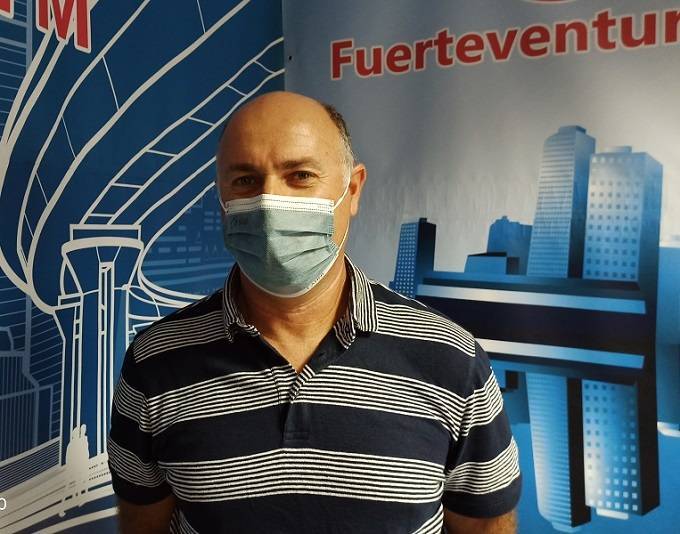
Ildefonso Chacón, Vice President of the Fuerteventura Nautical Business Association, emphasizes how crucial these digital nomads are to the local economy. In a recent interview on Fuerteventura FM, he stated, “Without them, we couldn’t sustain ourselves; they are the backbone supporting our businesses.” The island’s favorable climate allows these individuals to engage in their favorite sports year-round, all while being in a region with minimal COVID-19 impact.
Active Tourism Thrives
One of the surprising outcomes of the pandemic has been the boom in active tourism in Fuerteventura. While the island faced severe declines in its primary industry—tourism—this niche segment not only survived but thrived. “Active tourism has not decreased; it has reportedly grown,” Chacón remarked. Boats run primarily for this group, underscoring the increasing demand for outdoor activities.
This trend is mirrored in the housing market as well, where vacation rentals are bustling with visitors looking for a safe haven during challenging times.
Looking Towards the Future
Chacón exudes optimism for Fuerteventura’s recovery as the world regains a sense of normality. He believes that the allure of Maxorata—its low population density, pleasant climate, and expansive opportunities for diverse activities—will draw even more tourism once travel restrictions ease.
These are the key messages conveyed by the association formed a year ago to advocate for the island and its businesses. Recently, they held their first General Assembly under the slogan “United for the Future of Fuerteventura,” where Kristof Callewaret was elected as president. The members agreed on an ambitious roadmap for the next four years, including the renovation of the Corralejo dock, which will significantly increase berthing capacity and support charter departures.
Addressing Infrastructure Challenges
Another pressing concern is the need for improvements at the Isla de Lobos dock, where safety remains an issue due to risky docking conditions. Chacón pointed out the deficiencies at both Corralejo and Isla de Lobos, expressing a collective aspiration for infrastructural upgrades that would not only enhance safety but also uplift the entire tourist experience.
In pursuit of collaboration, the association is working with the Fishing Brotherhood of Corralejo to create a unified initiative aimed at further improving local infrastructure. For the first time, they have combined their efforts and presented a jointly developed proposal to the Port Authority.
Engaging the Broader Community
The leadership of this coastal business association is not drawn from political backgrounds but rather from seasoned professionals with expertise and multilingual skills. This strategic approach enables them to represent Fuerteventura at major international industry fairs, thus generating global interest in both Corralejo and the island as a whole.
Chacón advocates for developing synergies among political entities and community groups to drive projects beneficial to the island’s economy. This includes a discussion on the highly debated Dreamland Project. Although Chacón noted his personal stance within the conversation, he emphasized the importance of diversifying the economy to create new jobs. The buzz surrounding Dreamland has flooded social media, and he expressed a desire for citizens to have clear access to information regarding the project’s viability and implications.
The Collective Vision for Growth
The need for transparency and understanding among all stakeholders is paramount for initiatives like Dreamland. Chacón’s call for collaboration highlights an underlying sentiment: Fuerteventura’s future relies not just on tourism but on a collective vision that harnesses the power of its community, businesses, and natural resources.
In the vibrant landscape of northern Fuerteventura, a new chapter is unfolding—one where the convergence of digital nomads, community spirit, and a commitment to growth could redefine the island’s identity in the years to come.