Navigating the Paths of Eco-Tourism: Ignacio Solana and the Future of Fuerteventura’s Natural Spaces
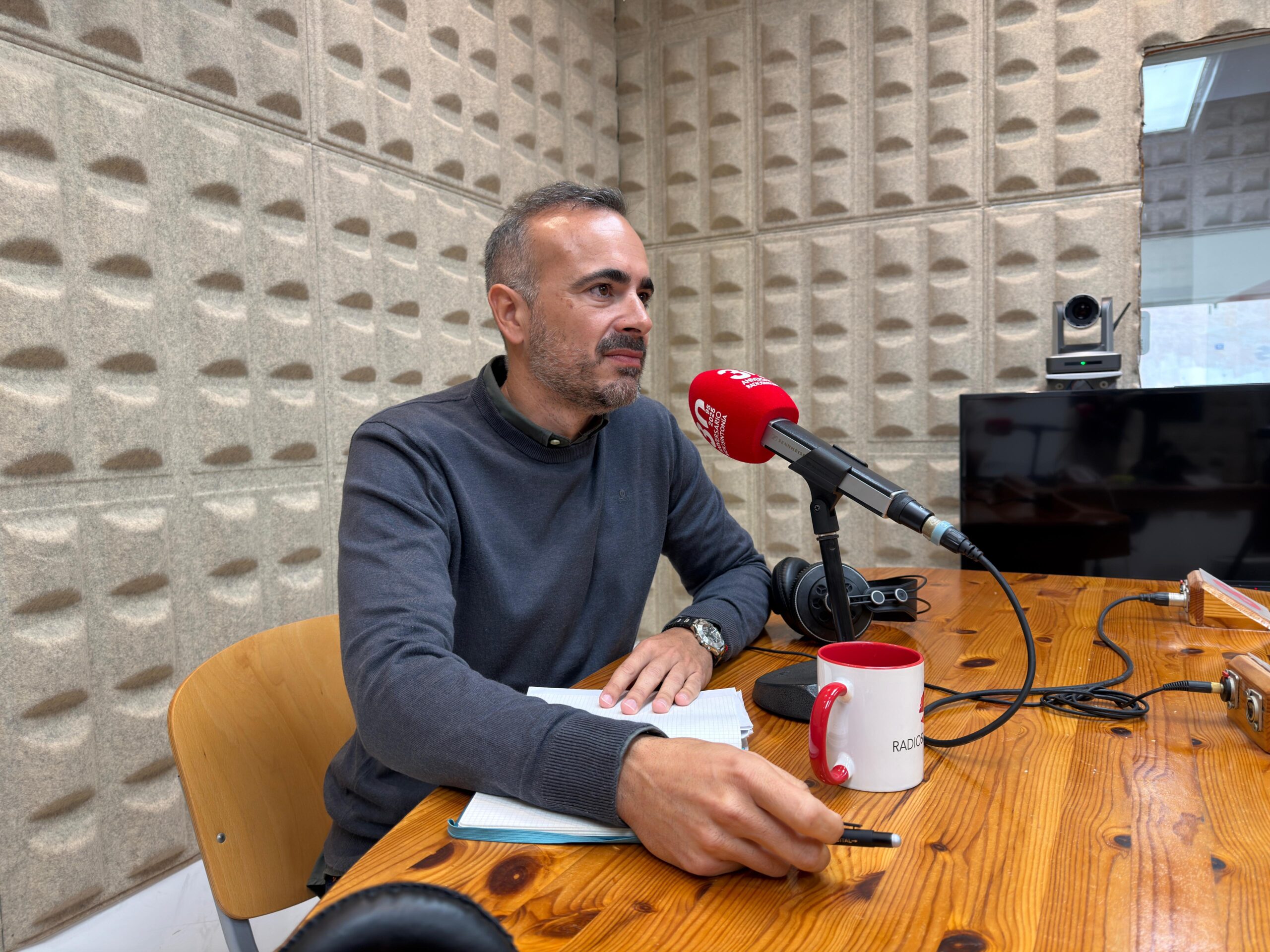
At the forefront of Fuerteventura’s tourism management is Ignacio Solana, the CEO of Gesprotur, the agency responsible for spearheading innovative projects aimed at preserving the island’s natural beauty. Recently, Solana visited Radio Sintonía to discuss ambitious initiatives designed to control the flow of visitors to the island’s cherished natural spaces while exploring the potential of implementing access fees.
Eco-Tourism Initiatives: A Vision for Conservation
With the increasing popularity of Fuerteventura as a tourist destination, the need for sustainable tourism practices has become evident. Solana’s focus is on two key projects targeting distinct yet ecologically sensitive areas: the enchanting landscapes of Fuerteventura and the unique ecological zones of La Palma. These initiatives aim to protect the fragility of natural environments while allowing tourism to thrive responsibly.
The concept revolves around simulating control measures that will gather data on visitor capacity. By assessing the environmental impact of tourism, the projects will create a framework for maintaining the ecological balance in these protected spaces.
Potential of Access Fees
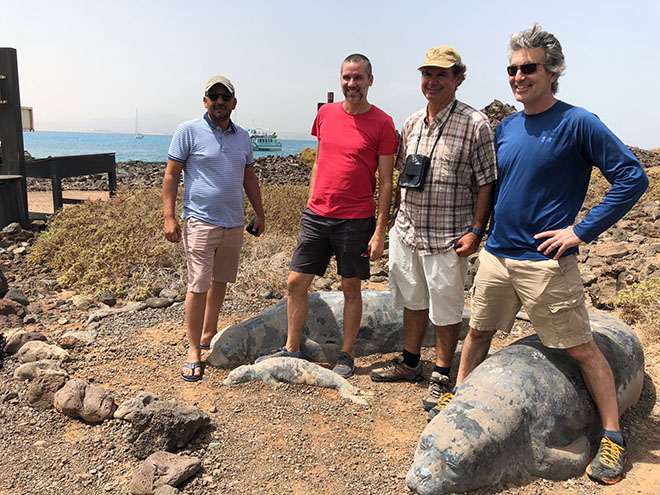
One of the most striking proposals discussed was the possibility of introducing access fees to certain critical areas in Fuerteventura. Places like Isla de Lobos, the Dunas de Corralejo, Cofete, the Ajuy Caves, and the iconic Tindaya Mountain are being considered for this model. The rationale is clear: by implementing a fee structure, not only can visitor numbers be monitored and managed, but the revenue generated can be reinvested into conservation efforts.
Solana elaborated that access fees could incentivize responsible tourism behaviors. With funds allocated towards maintaining trails, cleaning efforts, and education programs about the ecological significance of these environments, both the local economy and the ecosystems will benefit.
Measuring Carrying Capacity
A significant aspect of Solana’s project is understanding the carrying capacity of these natural spaces. This involves determining how many visitors can occupy these areas without compromising their ecological integrity. Monitoring tools will track foot traffic, helping identify peak times and areas that require management strategies to mitigate overuse.
By utilizing technology and innovative methodologies, Fuerteventura aims to become a benchmark for eco-tourism in the Canary Islands, providing invaluable insights into how other regions might balance tourism with conservation.
Community Involvement and Education
An essential element of Solana’s vision is community engagement. The success of these projects heavily relies on local buy-in and collaboration. By involving community members in the planning and implementation of these initiatives, the projects can cater to the needs and interests of those who call Fuerteventura home.
Furthermore, educational programs aimed at tourists and residents alike will be critical in fostering a culture of conservation. Solana stresses that ecological awareness is vital—it’s not only about preserving the spaces but about nurturing a deeper respect for the natural world.
The Role of Technology in Eco-Tourism
Innovation is a key pillar of Gesprotur’s strategy. The use of technology to monitor environmental health and visitor numbers is at the core of the proposed initiatives. Simple applications and advanced data analytics will offer real-time insights, which are crucial for decision-making processes.
In addition, establishing digital reservations for access to specific sites could enhance visitor experience while aiding in the management of visitor flow. By integrating modern solutions, Fuerteventura not only elevates its eco-tourism potential but also sets a standard for sustainable tourism practices in Spain.
Conclusion
Ignacio Solana’s dedication to developing eco-friendly tourism programs signals a promising future for Fuerteventura. His efforts to balance nature preservation with tourism are ensuring that both the local community and visitors can enjoy the island’s breathtaking landscapes for generations to come. The ambitious plans coming out of Gesprotur represent a holistic approach to managing the delicate ecosystems of Fuerteventura, thrusting the region into a leadership role within sustainable tourism efforts globally. Through meticulous planning, community involvement, and the integration of technology, Fuerteventura is well on its way to achieving a harmonious relationship between nature and tourism.