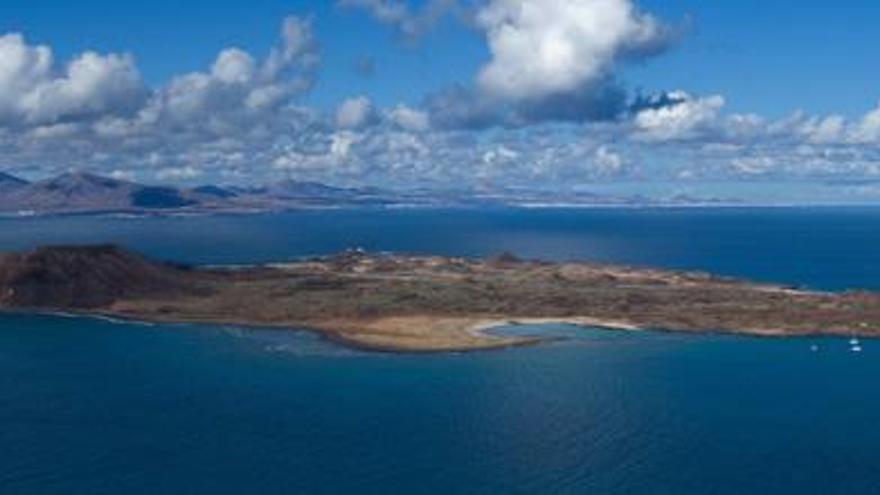
Unveiling the History of the Canary Islands: A Journey Through Time
The story of the Canary Islands begins in the Later Middle Ages and lasts until the conclusion of the conquest of this unique archipelago in 1496. This geographical marvel, located off the northwestern coast of Africa, has a rich history shaped by diverse cultures, explorations, and events that helped define its identity.
Pivotal Events in the 14th Century
Crucial to understanding the early history of the Canary Islands are three significant events that unfold consecutively during the 14th century. These events were instrumental in integrating the Canary Islands into the Kingdom of Castile.
1. The Medieval Rediscovery of the Islands
The first pivotal moment is marked by the medieval rediscovery of the Canary Islands, initiated by the Italian adventurer Lanzarotto Malocello. His expeditions began around 1312 and continued until 1341. Malocello is credited with the settlement of the island that bears his name, setting the stage for future attention on the archipelago.
In 1339, the first portolano (nautical chart) featuring the islands—Lanzarote, Lobos, and Fuerteventura—was published. Compiled by Angelino Dulcert in the Mallorcan school, this document not only provided geographic insight into the islands but also introduced them to the Christian world, including the Papacy of Avignon, the religious orders, and merchants across regions such as Aragón, Portugal, and Castile. This nautical chart played a significant role in fostering maritime interest in the Canary Islands.
2. The Portuguese Expedition
The second key event is tied to the publication of the Latin document titled De Canaria et Insules reliquis ultra Ispaniem in Océano moviter repertis, released in 1826 and 1827. This text narrates an exploratory expedition sponsored by King Alfonso IV of Portugal, led by Angiolino del Tegghia and possibly involving Lanzarotto Malocello himself. This document provided invaluable insights into the expeditions that were primarily mercantile in nature, contributing to the growing knowledge about these islands among European nations.
3. The Missionary and Commercial Activity
The final significant episode in the 14th century came with the publication of El Obispado de Telde in 1960 by the esteemed historian Antonio Rumeu de Armas. Drawing upon credible documents, Rumeu illustrated the missionary and subsequently commercial activities of Mallorcan and Catalan settlers in the Canary Islands. He described the establishment of the Principality of Fortune in 1344 by Pope Clement VI, as well as the subsequent creation of the Obispado de Telde in 1351.
Rumeu’s work cataloged a wealth of documents, starting in 1342 and extending to 1419, that evidenced the first serious attempts at peaceful exploration by Christian nations in non-Christian lands. His assertion that the Obispado of Telde marked a profound leap in the ecclesiastical and civic history of the archipelago remains valid, showcasing the transformative effect of these early ventures.
The Rediscovery of Historical Texts
Italian bibliographer Sebastián Ciampi made a remarkable discovery in 1826 at the Magliabechiana Library in Florence. He unearthed a Latin manuscript titled De Canaria et de las otras islas nuevamente descubiertas en el Océano del otro lado de España. This manuscript alluded to the exploratory expeditions undertaken in 1341 under the aegis of King Alfonso IV. This document garnered attention for its historical and geographical specificity, laying the groundwork for further studies into the nature of these early explorations.
Boccaccio’s Contribution
The relevance of the text De Canaria was further elucidated in the work of Marcos Martínez Hernández, whose essay Boccaccio y su entorno en relación con las islas Canarias meticulously examined how this early account was received in Spain. It is often noted that the historical and cultural chronicles imbued within the text carry significance, establishing a tradition of engagement with the literary richness of the islands and their inhabitants.
The Importance of Berthelot’s Work
The first historian to genuinely explore this text’s significance for the Canary Islands was Sabino Berthelot, who dedicated much of his life studying the archipelago. His contributions culminated in a ten-volume work, Historia Natural de las Islas Canarias, in collaboration with botanist Philip Barker Webb. In the first volume, he included a complete version of Boccaccio’s text in Spanish, underscoring its critical importance to Canary Island history.
Recognition of Boccaccio’s Legacy
As scholars like Dr. Chil y Millares Torres entered the realm of Canary Island historiography, the value of Boccaccio’s document continued to be recognized. These historians deemed Boccaccio’s description as an invaluable resource, providing rich context for the period leading up to the conquest of the islands.
The Influence of Vittorio Branca
Delving deeper into the authorship of these historical accounts, Vittorio Branca, an Italian philologist and literary critic, emphasized that Boccaccio’s work represents the first model for descriptive accounts of pre-Columbian explorations. His analysis laid out structured formats that paved the way for future travel narratives and explorations.
Celebrating Boccaccio’s Lasting Impact
In 2025, events commemorating Giovanni Boccaccio are expected to achieve new heights as the VII Centenary Committee of the Rediscovery of the Canary Islands gears up for celebrations. Collaborating with the Dante Alighieri Society, these initiatives aim to honor Boccaccio’s contributions, particularly his role in bringing the Canary Islands and their rich tapestry of humanity to the forefront of European awareness.
In essence, the history of the Canary Islands is a complex narrative interwoven with exploration, commerce, and cultural exchange—an unfolding story that continues to inspire interest and scholarly inquiry today.