Wind Power in Fuerteventura: The Costa Calma I Project
Introduction to the Project
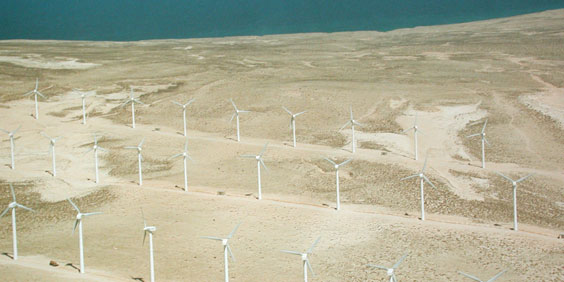
On July 3, 2023, the Official Bulletin of the Province of Las Palmas released an announcement that has significant implications for both renewable energy and the natural landscape of Fuerteventura. The Consejería de Transición Ecológica, Lucha contra el Cambio Climático y Planificación Territorial has authorized an important project— the Costa Calma I Wind Farm. This ambitious undertaking aims to generate a total of 18 megawatts (MW) of power and will be located near Cañada del Río, within the protected Jandía Natural Park.
Project Overview
The Costa Calma I project is spearheaded by Golf Jandía S.L. and involves the installation of four wind turbines. The estimated investment for this green energy initiative is around 23.9 million euros. By harnessing wind energy, the project aligns with broader efforts to reduce reliance on fossil fuels and combat climate change, contributing to the Canary Islands’ goal of a sustainable energy future.
Environmental Considerations
While the Costa Calma I project represents a significant step towards renewable energy, it does not come without its controversies. The project is currently being reviewed amid an ongoing public exposure phase of the Canary Islands’ Ecological Transition Plan. Several stakeholders, including the Cabildo of Fuerteventura, have urged for a pause in the project’s approval. Their concerns center around the potential for “irreversible damage to the territory”, highlighting the delicate balance between environmental protection and the advancement of green technology.
Community Impact
The introduction of wind farms often incites a range of reactions within local communities. Proponents argue that projects like Costa Calma I can provide numerous benefits, including job creation during the construction phase and long-term operational jobs. Additionally, there’s the potential for reducing energy costs and enhancing energy security for residents.
On the flip side, critics worry about the impact on the landscape and local ecosystems. The Jandía Natural Park is known for its rich biodiversity, and concerns about wildlife disturbances and visual impacts from the wind turbines have been raised. As the project moves forward, the balance of these interests will play a critical role in shaping public perception and acceptance.
Regulatory Framework
The approval process for the Costa Calma I project involves a comprehensive administrative authorization, an environmental impact assessment, and a declaration of public utility. This meticulous framework is designed to ensure that economic development does not come at the cost of ecological preservation. The involvement of governmental bodies reflects the seriousness with which these decisions are approached, given their far-reaching implications.
Future Prospects
As global awareness of climate change intensifies, the role of renewable energy sources like wind power will only continue to grow. The Costa Calma I project could potentially act as a blueprint for future developments in the region, showcasing both the benefits and challenges of integrating renewable energy into protected areas.
As the community, stakeholders, and environmentalists engage in dialogue regarding this project, the outcomes will prove essential not only for local energy needs but also in defining how Tenerife navigates the intricate relationship between nature conservation and modern energy solutions.