America’s Military Might and Its Impact on European Alliances
America’s recent military strike against the Islamic Republic of Iran serves as a stark reminder of the United States’ enduring military capabilities and its role as a global force for good. Despite the complexities of international relations, the U.S. remains an indispensable ally in the fight for freedom. However, recent actions by some European governments suggest a troubling amnesia regarding this reality, leading to significant shifts in longstanding alliances.
Operation Epic Fury: A Turning Point
The operation, dubbed “Epic Fury,” highlighted not only the U.S.’s military prowess but also the evolving dynamics within its European alliances. Initially, key allies like France and the United Kingdom hesitated to grant the U.S. access to their military bases for the operation. This indecision was not merely a tactical misstep; it signaled a deeper rift in trust and cooperation. Although both nations eventually reversed their stance, the initial refusal raised questions about their commitment to shared security interests.
Historical Context and Leadership
In a press conference following the operation, President Donald Trump drew comparisons between current leaders and historical figures like Winston Churchill, emphasizing the need for strong leadership in times of crisis. His remarks about U.K. Prime Minister Keir Starmer underscored a sentiment that many in the U.S. feel: that the current leadership in Europe lacks the resolve shown during pivotal moments in history. Meanwhile, France’s decision to collaborate with China to “de-escalate the war” was met with skepticism, given China’s role as a primary supporter of Iran.
Spain’s Controversial Stance
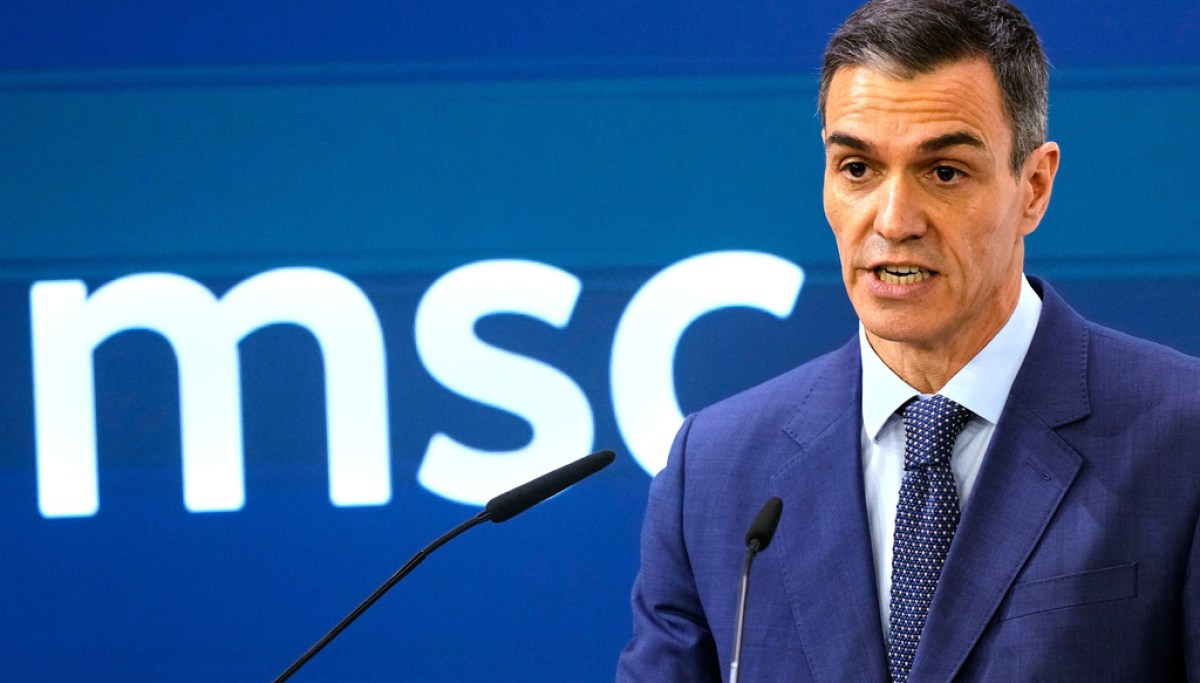
Among European nations, Spain’s actions have been particularly controversial. President Pedro Sanchez and his foreign minister denied the U.S. permission to use military bases for the operation, a move that drew sharp criticism from the Trump administration. The U.S. response was swift, with Trump directing Treasury Secretary Scott Bessent to sever economic ties with Spain, labeling its leadership as lacking. Sanchez’s characterization of the U.S. and Israeli operation as detrimental to global security further strained relations.
Defense Spending and Responsibility
The issue of defense spending has long been a point of contention between the U.S. and its European allies. For decades, American taxpayers have shouldered a disproportionate share of NATO’s defense costs. As the geopolitical landscape shifts, the U.S. has urged its allies to increase their defense budgets. While countries like Germany and Poland have committed to meeting NATO’s spending targets, Spain has resisted, spending only 1.2% of its GDP on defense. Sanchez’s dismissal of U.S. demands as “unreasonable” raises concerns about Spain’s commitment to collective security.
Espionage and Security Risks
Spain’s actions extend beyond mere defense spending. The Sanchez government has been criticized for opening its doors to potential adversaries. In a controversial move, Spain awarded a multimillion-dollar contract to Huawei, a company linked to the Chinese Communist Party and accused of industrial espionage. This decision not only jeopardizes Spain’s security but also raises alarms about the potential for classified information to fall into the wrong hands.
Complicity with Adversaries
Despite claiming neutrality towards Iran, reports indicate that the Sanchez government has authorized the sale of “dual-use” components to the Islamic Republic. This behavior, coupled with Sanchez’s condemnation of U.S. operations against figures like Venezuelan dictator Nicolas Maduro, paints a troubling picture of Spain’s alignment with adversarial interests. Such actions undermine the very essence of alliance-building and mutual support.
A New Era of Global Competition
As the U.S. navigates a new era defined by competition with China and its allies—such as Iran, Russia, Cuba, and North Korea—the importance of reliable partnerships cannot be overstated. The current geopolitical climate demands that allies step up and share the burden of defense. Those who choose to ride the coattails of American power without contributing may find themselves isolated in a rapidly changing world.
The Path Forward for European Allies
European nations face a critical juncture: they can either embrace a renewed commitment to collective security and shared values or risk being left behind. The choices made today will shape the future of transatlantic relations and the security landscape for years to come. America’s willingness to adapt and pivot towards new challenges will depend significantly on the actions of its allies. The stakes are high, and the time for decisive action is now.