The Tourism Overload of Isla de Lobos: A Growing Concern
In recent years, the burgeoning tourism scene at the Isla de Lobos Natural Park has become a hot-button issue among local authorities, environmentalists, and tourists alike. The consensus is clear: there is an urgent need to implement visitor limits to protect the fragile ecosystems of this small island. The voices of concern echo across the community, from the La Oliva Town Hall to the environmental agencies at Cabildo. Even those operating tourist boats recognize the complexities of managing such a beloved natural space.
Overcrowding: A Pressing Reality
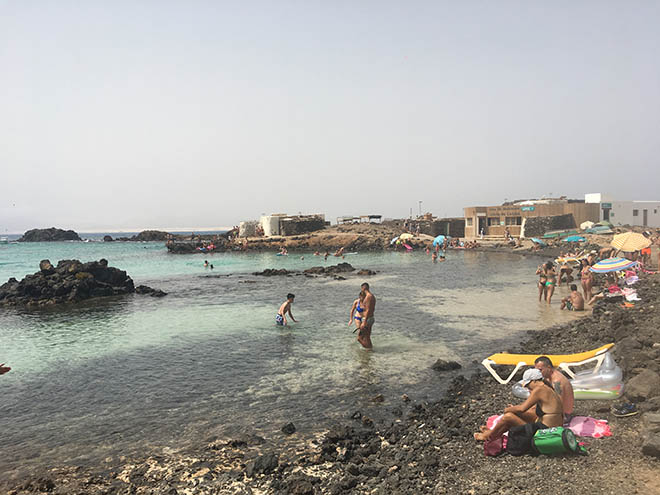
This summer, the contrast between the serene beauty of Isla de Lobos and the surge of human activity was stark. Popular spots like La Concha Beach resembled bustling markets, with hardly a square inch of sand free. The water taxis ferrying visitors felt more like a busy highway than a tranquil gateway to nature. For local residents, the scene sparked daily protests and escalating frustrations. Visitor numbers were reportedly ten times higher than the park’s capacity limit of 200 visitors per day, as outlined in its Management Plan.
In July and August, the reality was alarming: an influx of approximately 2,000 visitors daily descended onto the island, fueled by an array of boats, from those hailing from Lanzarote and Corralejo to people on smaller craft. Social media buzzed with complaints, highlighting the palpable strain this idyllic spot experiences. “Scandal at Isla de Lobos,” read one popular outcry from a local YouTuber.
Expert Opinions: Sustainable Management Needed
Pedro Hernández, a professor specializing in Tourism Resource Management, believes that Isla de Lobos is a precious resource that deserves responsible management. He emphasizes that adherence to the Use and Management Plan is not optional. “If we neglect to enforce the proper practices and norms, we risk damaging the very appeal that draws visitors—our biodiversity and the tranquility of this protected area,” he warns.
During the 14th Atlantic Environmental Conference, held at the end of last year, the issue took center stage, particularly discussions surrounding the island’s carrying capacity. Pilar Ruiz de la Vega, a Cantabria technician, shed light on the legal frameworks governing Isla de Lobos, including its designation as a Natural Park and a Biosphere Reserve. However, when it came time to address the overwhelming presence of water taxis, silence filled the room, highlighting the complexities facing authorities.
Learning from Other Protected Areas
The director of the Galician Islands National Park, José Antonio Fernández Bouzas, offered insights into effective management strategies. He stressed that while tourism contributes significantly to the local economy, its impact must be overseen diligently to prevent harm to the park’s ecosystem. He outlined a system of visitor limits based on precise studies of capacity. This approach ensures that visitor numbers don’t overwhelm natural resources, maintaining both ecological balance and a high-quality visitor experience.
Proposed Capacity Changes and Local Reactions
Currently, the cap for visitors at Isla de Lobos is set at 200, though proposals to increase this limit to 704 have emerged, causing division among environmentalists. Eugenio Reyes, a member of Ben Magec, argues that any increase would be disproportionate. “It’s crucial to focus on sustainable practices within the ecosystem. We need to assess the environmental footprint of these visitors—how they impact waste disposal, soil degradation, and overall biodiversity,” he asserts.
Reyes advocates for the incorporation of local university experts to help evaluate the environmental reports and questions the capabilities of the Guatisea firm, which has previously backed controversial projects in sensitive areas of Fuerteventura.
Establishing a Governance Framework
The establishment of the Protected Spaces Board in Fuerteventura last October produced discussions on updating the Use and Management Plan (PRUG) for Isla de Lobos, addressing the suggested increase in visitor capacity. The proposal generated substantial public interest, leading to an extraordinary board meeting specifically dedicated to Isla de Lobos.
Fayna Brenes Quevedo, part of the citizen participation committee, points out that the urgent need is not just to accommodate more visitors but to effectively manage existing numbers. “If we’re struggling to cap visits at 200, how can we possibly manage a jump to 700 without experiencing even greater strain on the ecosystem?” she questions.
Safety Concerns Amidst Tourism Strain
Andrés Briansó, a spokesperson for Podemos, underscores the urgent need for stricter regulations on the number of daily arrivals. He notes the potential dangers posed by water taxis, particularly their unregulated entry points, which risk the safety of swimmers and divers. Briansó, a frequent visitor to the island, believes that not only should the visitor limit not be increased, but more human resources are needed for surveillance and enforcement of existing regulations.
Environmental Compliance and Future Plans
The local government, represented by La Oliva’s mayor, Isaí Blanco, acknowledges the situation escalating around water traffic and public complaints. There is hope for improvement pending approval from the Coast Ministry for establishing designated swimming areas. However, Blanco admits that changes in natural spaces are cumbersome and require intricate bureaucracy.
Meanwhile, the Cabildo’s Environment Councillor, Natalia Évora, emphasizes the necessity of environmental awareness among visitors entering Isla de Lobos. She notes that efforts are underway to revise the Management Plan while planning a new fee system aimed at bolstering space management among the soaring visitor numbers.
Insights from Successful Regulatory Models
The experience of the Galician Islands National Park serves as a beacon for what can be achieved through effective regulation. Private boat owners must secure annual permits, and limits on mooring and access on designated dates help safeguard the islands from unregulated tourism. Diving activities are also gated through special permits, forming an efficient system of control.
As Isla de Lobos continues to grapple with the question of how best to balance tourism with conservation, the stakes remain high. Visitors and locals alike will need to engage in ongoing dialogue to find sustainable paths forward, preserving both the environment and the unique character of this natural treasure.