Archaeology Comes Alive: The Ongoing Excavations at Isla de Lobos
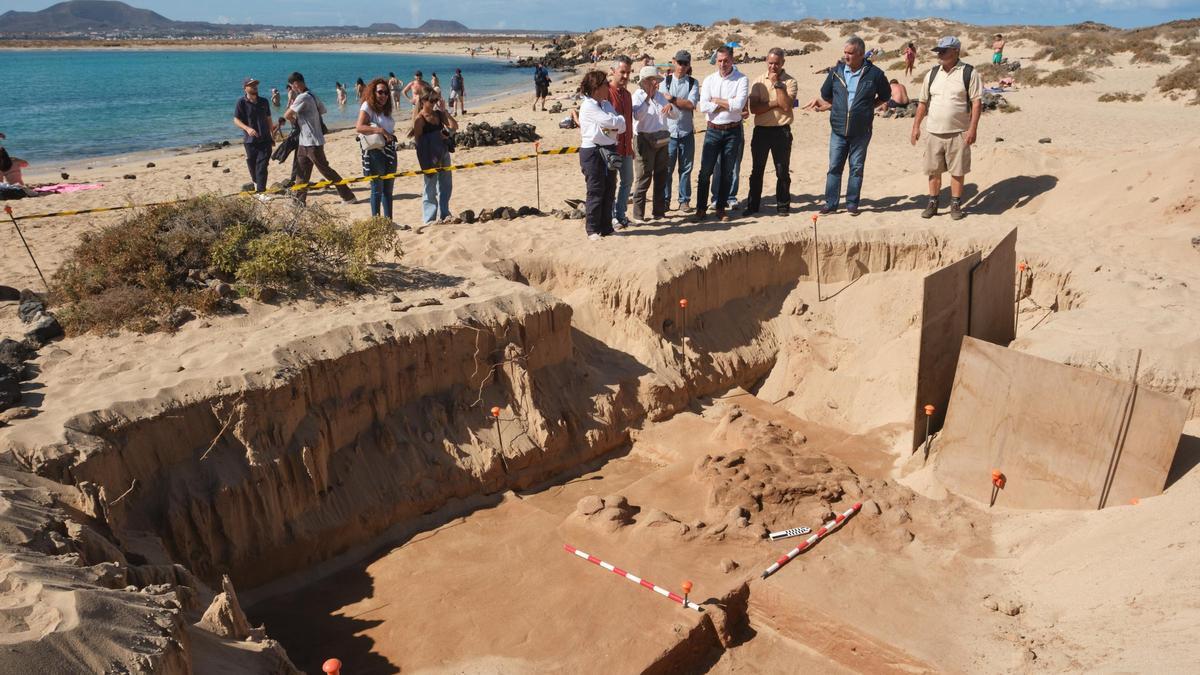
Isla de Lobos, a small yet historically significant island located to the north of Fuerteventura, is once again capturing the attention of archaeologists and history enthusiasts alike. This beautiful, serene spot is not just a haven for nature lovers—it’s also a site where fascinating stories from the past are being uncovered. Under the collaborative effort of the Cabildo de Fuerteventura and the Museums of Tenerife, the tenth excavation at the archaeological site known as Lobos I is underway, aiming to reveal more about its roles during Roman times.
Excavation Goals and Historical Significance
The current excavation project, slated to last until November 15, aims to define the extent of the archaeological site further. With a specific focus on extending the excavated area towards the south of Playa de La Calera, this exploration is part of a broader research initiative titled “Towards the Definition of the Purple Islands.” This program aims to understand Roman activities in Canarian coastal regions, with Isla de Lobos being a significant case study.
Historically, the site is renowned for harboring one of the most important Roman purple-dye workshops in the entire archipelago. The dye, made from the Murex mollusk, was prized in antiquity, especially among the elite who sought vibrant colors for their textiles. This rich history makes the excavations not just important for understanding local history but for piecing together broader Mediterranean trade networks.
New Discoveries Await
As archaeologists delve deeper, they are optimistic about uncovering more about the workshop’s complexity. Previous findings have confirmed the existence of purple-dye production, but there are hints that the area may have served broader purposes. This latest campaign will involve two additional sondages—one near the workshop and another towards the southwest, closer to the coastline. These efforts aim to discover supporting structures or areas dedicated to daily life and fishing activities, revealing the full spectrum of life in this ancient enclave.
A Multi-Disciplinary Approach
The excavation features a multi-disciplinary team, including archaeologists, biologists, and conservators, all supported by local museum staff. Such collaboration is essential given the site’s complexity. Scientific direction is provided by esteemed individuals, including Isidoro Hernández, director of the Archaelogical Museum of Fuerteventura, and Carmina del Arco, a professor of Prehistory. This diverse group brings a wealth of expertise, vital for piecing together the historical puzzle that is Isla de Lobos.
Additionally, the project has received authorization from the Directorate General of Culture and Cultural Heritage of the Government of the Canary Islands and support from BINTER Canarias for logistical transportation, showcasing a robust institutional backing for these archaeological endeavors.
An Island with Rich Archaeological Heritage
Located within the municipality of La Oliva, Isla de Lobos stands as a beacon of archaeological significance in the Canary Islands. Over the last decade, the continuous excavation campaigns have turned it into a reference point for island archaeology. The identification of the Roman purple workshop marked an unprecedented finding, demonstrating the island’s trade connections with the Mediterranean.
Rayco León, the councilor of Historical Heritage for the Cabildo de Fuerteventura, emphasizes the importance of these archaeological efforts, asserting that the time and effort invested will yield critical insights into this pivotal site in Canarian archaeology.
The “Purple Islands” Initiative: Scientific Impact
This current excavation is a crucial part of the larger initiative, “Towards the Definition of the Purple Islands,” aimed at identifying Roman sites linked to purple production along the Canarian coast. This activity, while well-documented in Mediterranean regions, is comparatively rare in Atlantic contexts, making Lobos I exceptionally valuable for historical scholarship.
Research from previous excavations indicates that the site was active between the 1st and 2nd centuries AD, aligning with a peak period in Roman maritime trade. Its strategic location—situated between Africa and Europe—would have made it an ideal spot for such industrial activities.
Everyday Life and Fishing Activities
One of the exciting prospects of the current excavation is the potential discovery of structures related to the daily lives of those who inhabited Isla de Lobos temporarily. Archaeologists are on the lookout for remnants of temporary housing, storage areas, or processing zones for marine products. These discoveries could help confirm a small settlement related to the purple workshop, offering insights into daily life and labor in this unique environment.
Understanding these elements is crucial for reconstructing the daily routines of workers who relied on the island’s resources and their adaptations to the insular environment. This inquiry into daily life complements the more industrial aspects of the site, ensuring a well-rounded understanding of the historical context.
As the excavation progresses, the team is eager to uncover more secrets about Isla de Lobos, hoping to enrich our understanding of this remarkable chapter in the archaeological narrative of the Canary Islands. Each find is not just a relic of history; it is a link to the vibrant life that once thrived in this now-serene island landscape.