The Salvage Operation of ‘Canarias Express’: A Maritime Rescue Tale
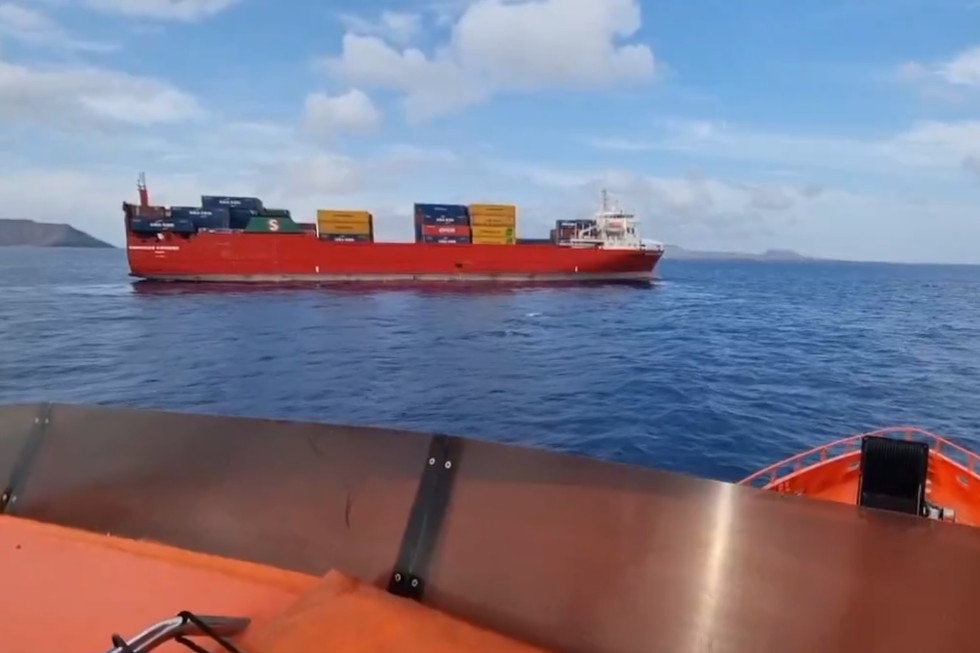
On a seemingly ordinary Tuesday morning, the maritime safety system operated efficiently to manage an unexpected situation at sea. The vessel in question, the ‘Canarias Express’, a Portuguese-flagged ferry, found itself adrift about 2.4 miles off the picturesque Isla de Lobos. This incident highlights the vital role that maritime authorities play in ensuring the safety of vessels and their crews.
The Initial Alert
The situation began to unfold when a distress call reached Salvamento Marítimo, Spain’s Maritime Safety Agency. Reports indicated that the ‘Canarias Express’ was stranded in the Bocaina Strait, a narrow but crucial waterway that separates the islands of Lanzarote and Fuerteventura. The urgency of the call prompted immediate action, as the safety of both the crew and the vessel became a priority.
Rapid Response from Rescue Services
In response to the evolving situation, the Centro de Coordinación de Las Palmas sprang into action. This operational hub is essential for coordinating maritime rescue efforts in the Canary Islands, overseeing all emergencies that occur in the surrounding waters. They dispatched the Guardamar Polimnia, a rescue vessel equipped to handle maritime emergencies, to the scene.
Upon arrival, theGuardamar Polimnia assessed the situation and initiated the rescue operation. Acting swiftly, the crew managed to establish towage with the ‘Canarias Express’, effectively pulling it away from the perilous coastal line, where it could have potentially run aground.
Transition to Professional Towage
As the Guardamar Polimnia worked to stabilize the situation, another specialized vessel, the VB Achaman, was en route to take over the towage of the ‘Canarias Express’. The transition to the VB Achaman was crucial; this tugboat is specifically designed for heavy-duty salvage operations and was better equipped for the lengthy journey back to port.
Once on the scene, the VB Achaman took charge of the situation, ensuring the ferry was safely towed to the Puerto de Arrecife. The journey, while seemingly straightforward, required constant vigilance and coordination to ensure that the vessel remained safe during transit.
The Role of Maritime Safety Authorities
This dramatic unfolding of events underscores the significance of maritime safety regulations and protocols. Spain’s Salvamento Marítimo operates with a high level of professionalism and preparedness, enabling them to respond effectively to various maritime emergencies. Their swift action not only ensured the safety of the ‘Canarias Express’ and its crew but also prevented potential environmental hazards or damage to the sensitive coastal ecosystem of the Canary Islands.
Community and Economic Impacts
The timely rescue of the ‘Canarias Express’ is not just a matter of maritime safety; it also has broader implications for the local economy and the communities that rely on maritime transport. Ferries like the ‘Canarias Express’ play a vital role in connecting the islands, facilitating tourism, and supporting local business activities. Any disruption caused by a stranded vessel can have cascading effects, impacting schedules and economic activities across the region.
Conclusion
As this latest incident demonstrates, the sea can be both beautiful and perilous. Thankfully, due to the adeptness of maritime authorities and the availability of specialized equipment, the ‘Canarias Express’ was rescued without incident, showcasing the high standards of safety and operational excellence upheld in maritime operations in the Canary Islands. Each rescue story serves as a reminder of the importance of preparedness, vigilance, and community in navigating the challenges posed by the vast ocean.