Unveiling the Roman Presence on Lobos Island: A Journey Through Time
Introduction: The Mystery of Lobos Island
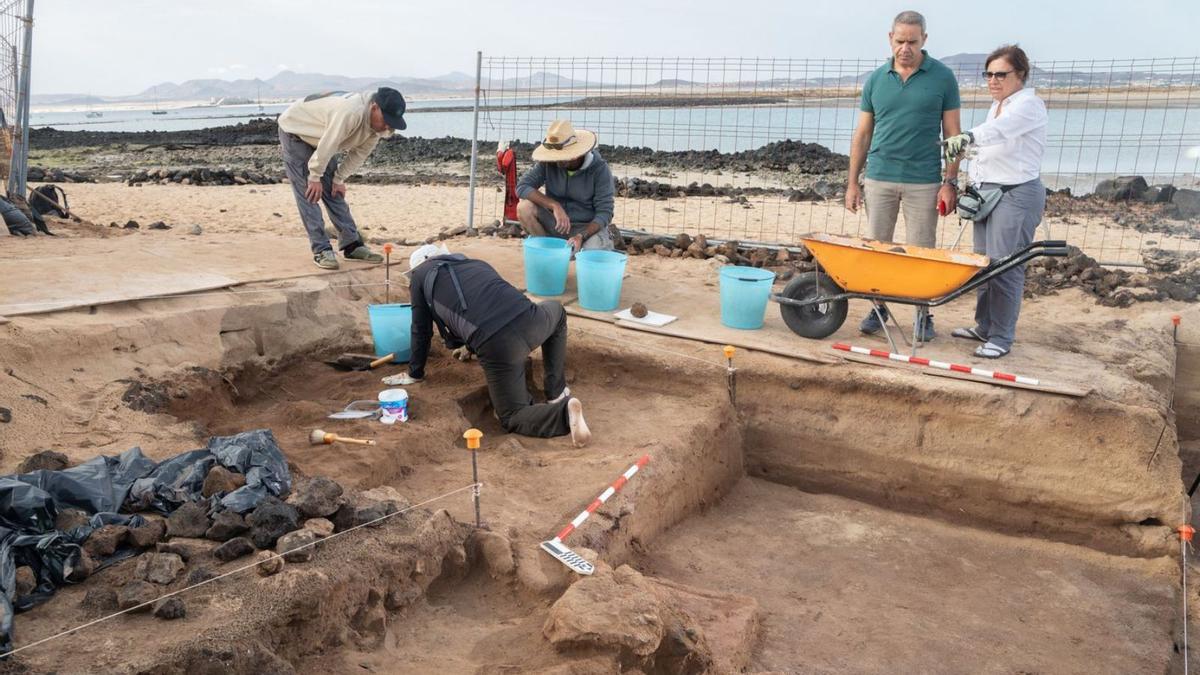
Lobos Island, a small but enchanting islet off the northern coast of Fuerteventura in the Canary Islands, has become a focal point for archaeologists intrigued by its history. The long-standing question, “What were the Romans doing on Lobos Island?”, has stirred researchers since excavations began in 2012. As archaeologists prepare for their tenth expedition, the search for answers continues, offering a fascinating glimpse into Roman activities in this remote corner of the Empire.
Ongoing Excavations: A Decade of Discovery
The journey into Lobos Island’s past has uncovered substantial evidence of Roman presence. Over the past nine years, archaeologists have engaged in extensive excavations, examining artifacts and structures that suggest a lively interaction between the Romans and the local environment. From pottery to remnants of ancient buildings, each excavation has added clues in the quest to understand the nature of Roman engagement with this strategic location.
The upcoming tenth expedition is poised to delve deeper into the archaeological record. The continued efforts reflect a commitment not just to uncover artifacts but also to piece together a narrative that encompasses the broader implications of Roman expansion into the Canary Islands.
Upcoming Conference: Insights from Experts
On November 6th, 2023, a noteworthy conference will be held at the Cultural Center Raíz del Pueblo in La Oliva, featuring Dr. Carmina del Arco Aguilar, an esteemed authority in archaeology and historical heritage. She will discuss her insights into the findings from Lobos Island, aimed at elucidating the enigma of Roman presence on the islet.
This conference presents a valuable opportunity for the public and scholars alike to engage with the findings and understand better the archaeological methodologies employed over the years. Insights from Dr. Del Arco Aguilar promise to illuminate the complexities of how and why Romanized populations, particularly from the Cádiz and Bajo Guadalquivir regions, arrived and settled in this remote landscape.
The Significance of Lobos I
Among the various archaeological sites on Lobos Island, Lobos I stands out as a crucial element in understanding the Roman footprint in the Canaries. This site not only offers direct evidence of Roman habitation but also serves as a vital link to understanding the settlement patterns across the archipelago. Researchers argue that Lobos was more than just a stopover; it played a significant role in maritime navigation and trade routes, reflecting the strategic importance of the Canary Islands as a southern frontier of the Roman Empire.
Unique Findings: Artifacts that Tell Stories
The discovery of diverse materials at the excavation sites has contributed significantly to the narrative of Lobos Island. Many artifacts, now displayed at the Archaeological Museum of Fuerteventura, reveal a rich tapestry of daily life, trade, and interaction. Items such as terra sigillata pottery, anchors, and tools not only highlight the practical aspects of Roman life but also offer glimpses into their cultural expressions.
Each artifact represents a piece of a larger story—one of a community that thrived in an often harsh but beautiful environment. These findings continue to captivate both researchers and visitors, who are often left in awe of the sophisticated interplay between the Romans and this island’s landscape.
Collaborative Efforts: A Regional Initiative
The archaeological work at Lobos I is supported by a Inter-institutional Agreement between the Cabildo de Fuerteventura and the Autonomous Organization of Museums and Centers of Tenerife, along with collaboration from entities like the Universidad de La Laguna (ULL). This collaborative framework highlights the importance of shared expertise and resources in uncovering the island’s historical narratives.
Such partnerships embody a commitment not only to research but also to education and preservation, ensuring that the stories of Lobos Island and its ancient inhabitants continue to be told and studied for generations to come.
Conclusion: A Living Historical Narrative
As the ongoing excavations and upcoming conference illustrate, the quest to understand the Romans on Lobos Island remains a dynamic journey replete with discoveries. Each reconstruction of the past adds depth to our understanding of this remote outpost of the Roman Empire, highlighting its significance in a broader historical context. The island is not merely a location of archaeological interest; it serves as a reminder of a complex web of interactions that shaped the ancient world.