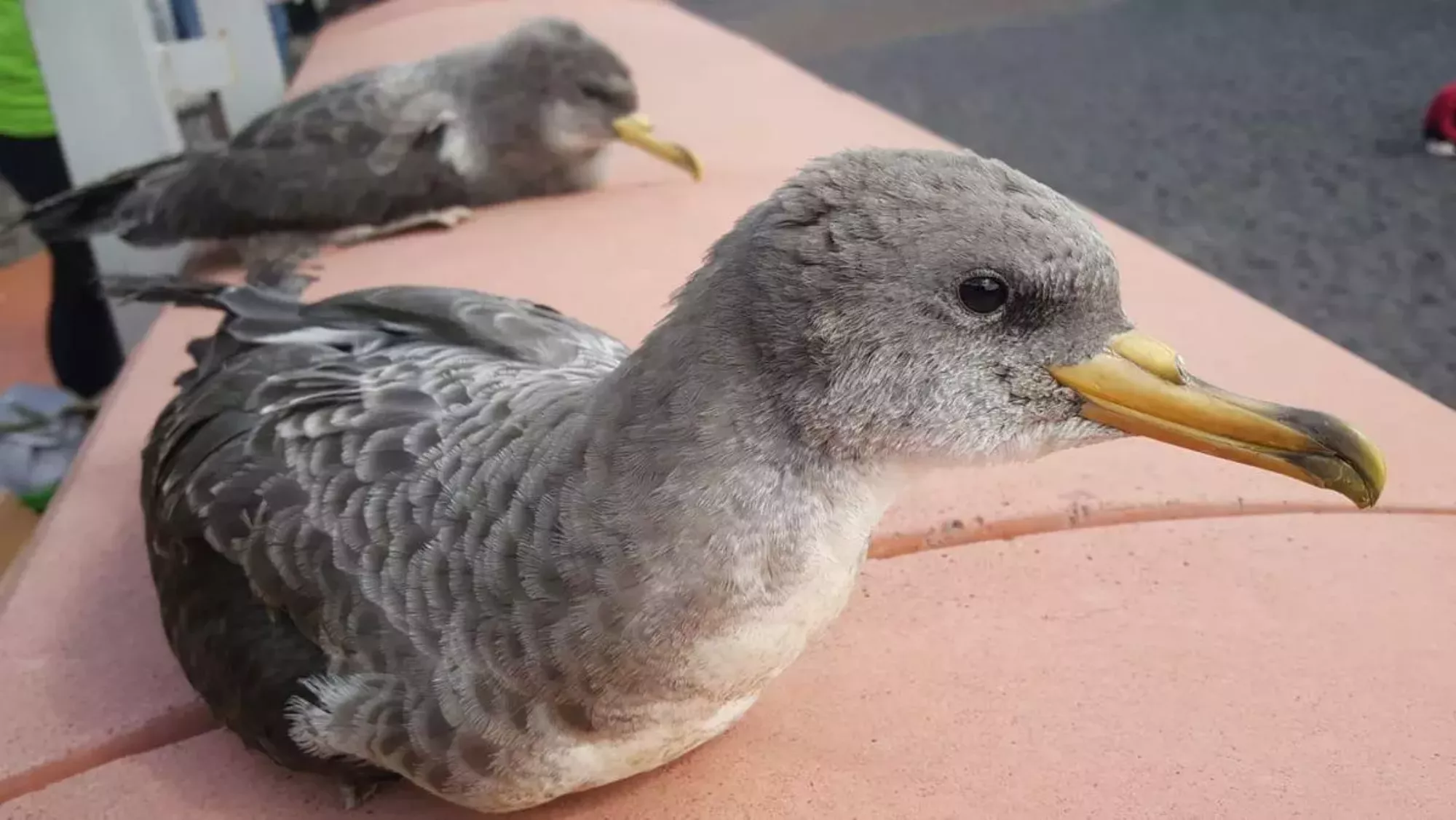
A Stark Reminder of Wildlife Protection: The Case of the Gulls in Fuerteventura
In a recent instance that has ignited conversations about environmental protection in the Canary Islands, two individuals were condemned for engaging in illegal hunting activities. This case, centered in the stunning landscapes of Fuerteventura, has drawn attention to both the delicate nature of local wildlife and the regulatory measures in place to protect it.
The Incident
The troubling events transpired in September 2025, when vigilant agents from the Guardia Civil were conducting patrols near the Faro de Punta Pesebre in the municipality of Pájara. Their alertness paid off when they noticed suspicious flashes of light emanating from the rugged mountainous terrains equal distances from the popular Junquillo Beach and Punta de Barlovento.
Instinctively, the agents suspected illegal hunting activity might be afoot. Upon intercepting two individuals making their way to a vehicle, they discovered that the suspects were carrying a rafia sack and a hooked pole—a tool commonly employed to extract birds from their nesting spaces.
The Discovery
What lay within the rafia sack sent shockwaves through the law enforcement community. Inside were seven dead specimens of the pardela cenicienta (Calonectris borealis), a bird species that holds a vulnerable status as classified in the Spanish Catalog of Threatened Species. This species is not merely an ecological curiosity; it is protected under both national and European laws, highlighting the urgency of its preservation.
The grim reality is that the hunting of these birds is explicitly prohibited—especially during nesting periods when young chicks, heavier and less agile, are particularly susceptible to illegal capture.
Forensic Analysis
Following the confiscation, proper procedures were followed to establish a chain of custody, ensuring that the evidence was preserved for judicial examination. The specimens were sent to the Instituto Universitario de Sanidad Animal y Seguridad Alimentaria (IUSA) for further analysis, where their species was confirmed.
The forensic examination revealed that the birds had tragically died from asphyxia and cranial trauma. These findings not only bolstered the case against the accused individuals but served as a stark reminder of the harsh realities faced by wildlife in their natural habitats.
Judicial Resolution
The judicial outcome of this case categorized the offenders’ actions as a delito contra el medio ambiente (environmental crime), reflecting the significant impact their actions had on a protected species residing in a high-value ecological area like Jandía. The court imposed severe penalties: each individual was fined 3,200 euros and banned from hunting for the next three years.
This verdict underscores a larger issue in the Canaries, where biodiversity faces increasing pressure from both human activity and environmental challenges. It highlights the critical need for vigilance and robust legal frameworks to protect vulnerable species that play pivotal roles in maintaining ecological balance.
Broader Implications
The escalating incidents of wildlife crime signal deeper issues within conservation efforts in the region. The pardela cenicienta, among other species, is vital for the islands’ ecosystems. Their protection is not just about the birds themselves; it reflects a broader commitment to conserving the unique biodiversity of the Canary Islands.
The case serves as an important reminder that illegal hunting is not a benign act; it has far-reaching implications that can destabilize entire ecosystems. As conservationists and authorities work tirelessly to safeguard such natural habitats, community awareness and support can play a crucial role in preserving the delicate balance of wildlife in the Canaries.
The journey towards ecological awareness and protection is ongoing. Each case of wildlife crime, like the one seen in Jandía, ignites crucial conversations about the importance of conservation and the urgent need to champion the rights of our planet’s most vulnerable inhabitants.